
To safeguard your family, test your well water at least once a year for bacteria, nitrates, and pH levels using basic kits or professional services. Increase testing frequency if there’s flooding, repairs, or noticeable changes in taste or smell. Keep detailed records to spot trends and share results with health officials. Staying consistent guarantees safe water year-round; if you want more tips, you’ll find useful insights below.

Get home appliances delivered free — and shop member deals
- Fast, free delivery on millions of items
- Access to Prime Big Deal Days deals on October 6–7
- Prime Video, Amazon Music and more included
Key Takeaways
- Test your well water at least once annually to ensure ongoing safety and detect potential contaminants early.
- Increase testing frequency after flooding, repairs, or if water shows changes in taste, smell, or appearance.
- Use basic testing kits for quick screening of bacteria, pH, and nitrates, supplemented by professional lab analysis when needed.
- Keep detailed records of all test results to monitor water quality trends and inform necessary actions.
- Adjust your testing schedule based on factors like nearby agriculture, recent natural events, or system modifications to maintain safety.

Regular well water testing is essential to guarantee your water remains safe and clean for daily use. When you rely on well water, you’re responsible for ensuring its quality, so knowing when and how to test is critical. Your water quality can change over time due to factors like nearby construction, farming activities, or natural shifts in the underground aquifer. Regular testing helps catch issues early, protecting your family from potential health risks. It’s not enough to test once; an annual schedule keeps you informed and provides peace of mind.
Regular well water testing ensures safety and peace of mind for your household.
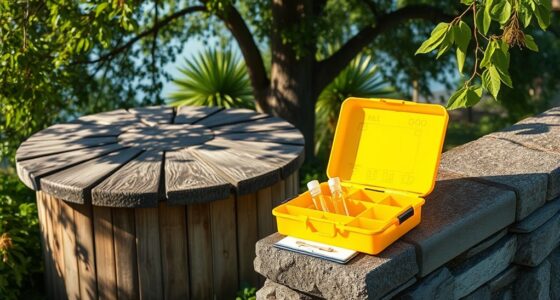
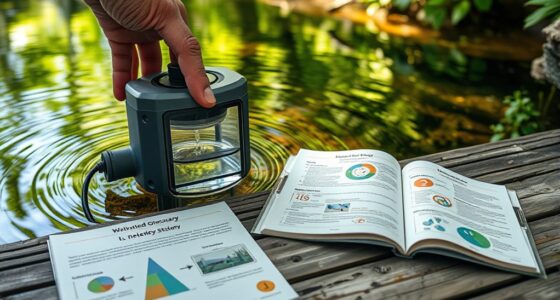
To maintain safe drinking water, you should understand the different testing methods available. These methods vary based on what contaminants you’re screening for. Basic testing might include simple kits you can do at home, which check for common issues like bacteria, pH levels, and nitrates. These kits are straightforward, affordable, and give quick results, making them an excellent starting point. For more in-depth insights, you might hire a professional to conduct laboratory testing. These experts use advanced testing methods to identify a broader range of contaminants, including heavy metals, pesticides, and other chemicals that could pose health risks. Knowing the water quality through proper testing methods allows you to take targeted action if problems are detected.
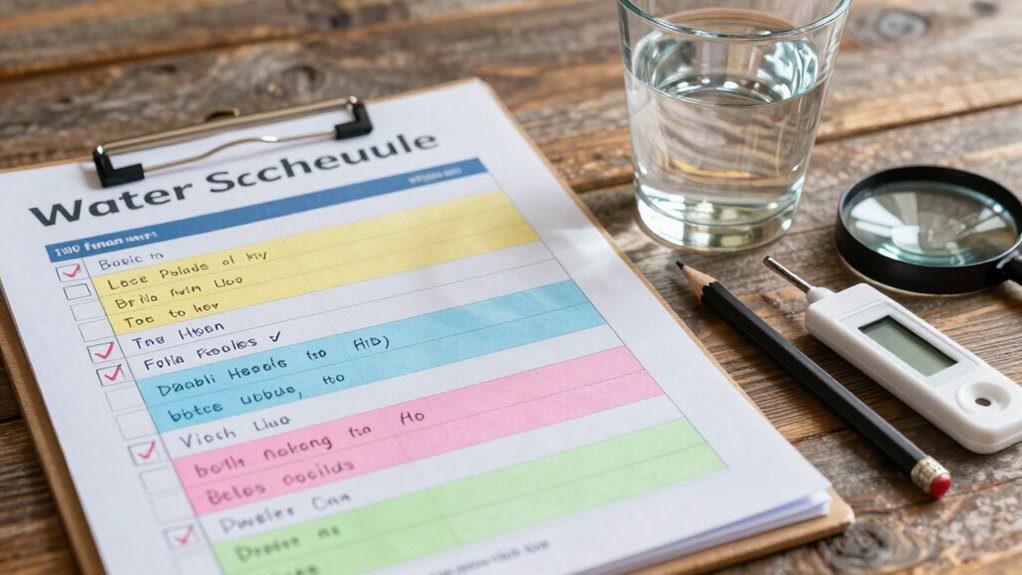
Scheduling your tests at regular intervals ensures you catch any contamination early. At a minimum, you should test your well water once a year. However, if your well is near agricultural land, if there’s been recent flooding, or if you notice changes in water color, taste, or smell, more frequent testing is advisable. Additionally, after any major repairs or changes to your well system, testing again helps confirm everything remains safe. Incorporating contaminant detection methods can further improve your water safety measures.
Keep a record of your testing results to track trends over time. This documentation can be useful if you need to consult health officials or repair specialists. It also helps you identify patterns—perhaps certain seasons or weather events correlate with water quality issues. Remember, not all contaminants are visible or detectable without proper testing, so relying solely on physical characteristics isn’t enough. That’s why understanding water quality and testing methods is essential to maintaining safe, clean well water.
As an affiliate, we earn on qualifying purchases.
Frequently Asked Questions
How Do I Interpret Water Test Results Accurately?
To interpret water test results accurately, review the lab report carefully, focusing on contaminant detection methods and their levels. Understand what each contaminant’s presence means for your water safety, comparing results to local safety standards. If you’re unsure, consult a professional or contact the testing lab. They can help explain the results and suggest necessary steps, ensuring your water remains safe for your family.
What Are the Common Contaminants Found in Well Water?
Did you know that over 50% of well water samples show some form of contamination? Common well water contaminants include bacteria, nitrates, heavy metals, and pesticides. To identify these, you should use reliable testing methods like lab analysis and home test kits. Regular testing helps you catch these contaminants early and keep your water safe, so you and your family can enjoy clean, healthy drinking water every day.
Can I Test My Well Water Myself or Need a Professional?
You can perform DIY testing on your well water, but for thorough results, professional analysis is recommended. DIY kits are useful for initial screenings of common contaminants like bacteria, nitrates, and pH levels. However, a professional lab can detect more complex pollutants such as heavy metals and chemical compounds. Regular testing, whether DIY or professional, helps ensure your water stays safe for your family.
How Often Should I Replace Well Components for Safety?
You should replace well components based on their lifespan and your well’s maintenance needs. Typically, you should inspect and replace parts like pumps, pressure tanks, and filters every 3-5 years to guarantee safety. Regular well maintenance helps prevent contamination and system failures. Keep track of your components’ age, and schedule professional inspections annually to catch potential issues early and keep your well functioning safely.
What Should I Do if My Water Test Shows Contamination?
If your water test shows contamination, act quickly to protect your well water safety. You should shock chlorinate your well, replace any compromised components, and retest to verify safety. Remember, over 15% of private wells show some contamination, so regular testing is vital. By addressing contamination immediately, you prevent health risks and improve contamination prevention, keeping your family safe and your water clean.
bacteria and nitrate water test strips
As an affiliate, we earn on qualifying purchases.
As an affiliate, we earn on qualifying purchases.
Conclusion
By sticking to this well water testing schedule, you’re gently tending to your family’s health and peace of mind. Regular checks act like a quiet guardian, catching small issues before they become big concerns. Think of it as nurturing your home’s most essential resource, ensuring it remains pure and safe. With this simple routine, you’re weaving a subtle safety net—giving your loved ones the gift of clean, healthy water every day.
professional water testing service for wells
As an affiliate, we earn on qualifying purchases.
As an affiliate, we earn on qualifying purchases.
water pH test kit for well water
As an affiliate, we earn on qualifying purchases.
As an affiliate, we earn on qualifying purchases.
Fall yard work Picks
leaf blowers
As an affiliate, we earn on qualifying purchases.