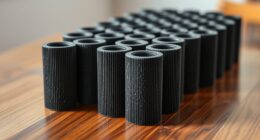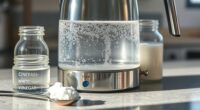
Ion exchange softening works by swapping calcium and magnesium ions in hard water with sodium or potassium ions using a resin filled with beads. These beads attract mineral ions as water flows through, gradually becoming saturated. To keep the process effective, the resin needs regular regeneration with salt solutions that flush out the mineral ions and restore the beads’ capacity. Understanding how this cycle works will help you appreciate how water softening keeps your water spotless and appliances protected.
Play games included with Prime
Start a Prime free trial and play with Amazon Luna on your devices.
As an affiliate, we earn on qualifying purchases.
Key Takeaways
- Ion exchange removes calcium and magnesium ions from water by swapping them with sodium or potassium ions on resin beads.
- Resin beads are initially loaded with sodium or potassium ions and attract mineral ions during water flow.
- Regeneration restores resin capacity using a salt solution, flushing out mineral ions and replenishing exchange ions.
- Proper maintenance and timely regeneration prevent resin saturation, ensuring continuous removal of hardness-causing minerals.
- The effectiveness of water softening depends on resin capacity, bead condition, and regular system upkeep.
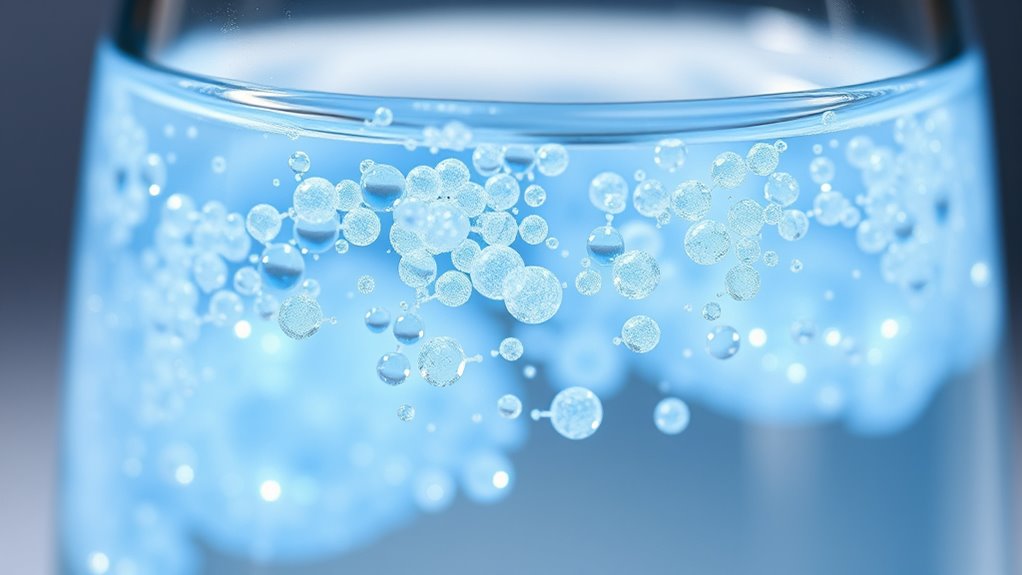
Have you ever wondered how water softeners remove minerals like calcium and magnesium? It all comes down to a process called ion exchange, which effectively swaps out these hard water minerals for gentler ones like sodium or potassium. The core of this process involves a specialized resin that is packed inside the softener tank. When hard water flows through this resin, the mineral ions—primarily calcium and magnesium—are attracted to the resin beads, replacing the sodium or potassium ions that are attached to them. This exchange softens your water, preventing scale buildup and extending the lifespan of appliances.
But how does the resin maintain its effectiveness over time? That’s where resin regeneration comes into play. As the resin beads exchange ions, they gradually become saturated with calcium and magnesium. To restore their ion exchange capacity, the resin is periodically regenerated using a concentrated salt solution—usually sodium chloride or potassium chloride. During regeneration, the salt solution flushes through the resin, replacing the accumulated mineral ions with fresh sodium or potassium ions. This process rejuvenates the resin’s ability to effectively remove hardness-causing minerals from your water, ensuring the softener continues functioning efficiently.
Understanding the resin’s ion exchange capacity is key to grasping how water softening works. The ion exchange capacity refers to the amount of mineral ions the resin can hold before it needs regeneration. Each bead is designed to have a specific capacity, which depends on its size, material, and the type of resin used. Once the resin’s capacity is reached, the softener must undergo regeneration to restore its effectiveness. If the resin isn’t regenerated in time, its ability to remove calcium and magnesium diminishes, leading to harder water. That’s why proper maintenance and timing of resin regeneration are essential to keep your water softener performing *best*.
water softener resin replacement
As an affiliate, we earn on qualifying purchases.
As an affiliate, we earn on qualifying purchases.
Frequently Asked Questions
How Long Does a Typical Ion Exchange Resin Last?
A typical ion exchange resin lasts about 10 to 15 years, depending on usage and water quality. You’ll need to observe the resin’s lifespan and perform regular regeneration to maintain efficiency. How often you regenerate the resin depends on your water’s mineral content and flow rate. Proper maintenance ensures your resin remains effective longer, saving you money and preventing issues with water softness.
Can Ion Exchange Remove All Types of Contaminants?
You can’t rely solely on ion exchange to remove all types of contaminants because of its limited contaminant specificity. While resin versatility allows it to target certain ions like calcium and magnesium, it struggles with organic compounds, bacteria, and viruses. To guarantee thorough water purification, you need additional treatment methods alongside ion exchange. This combination enhances contaminant removal, providing safer, cleaner water tailored to your specific water quality needs.
Is Water Softening Environmentally Sustainable?
Water softening can be environmentally sustainable when you use eco-friendly practices and rely on renewable resources. By choosing systems that regenerate with minimal chemicals and energy, you reduce environmental impact. Additionally, proper disposal of brine or waste guarantees you’re not harming ecosystems. When you implement these sustainable methods, water softening becomes a responsible choice that supports environmental health and conserves resources for future generations.
How Often Should Resin Be Regenerated?
A stitch in time saves nine, and that applies to resin regeneration too. You should regenerate your resin when its capacity drops to about 20-25%, typically every 4-6 weeks, depending on your water usage and hardness level. Regular regeneration maintains maximum ion exchange efficiency, preventing mineral buildup and prolonging resin life. Keep an eye on your system’s performance, and don’t wait until it’s too late to act.
Are There Health Risks Associated With Ion Exchange?
You don’t need to worry much about health risks from ion exchange water softening. The process involves exchanging harmful calcium and magnesium ions for sodium or potassium, which are safe for most people. Toxicity concerns are minimal, especially if your water is properly treated. However, if you have health issues like hypertension, you might want to limit sodium intake from softened water. Overall, ion exchange is considered safe for daily use.
As an affiliate, we earn on qualifying purchases.
Conclusion
Just like a wise alchemist transforms base metals into gold, understanding ion exchange lets you master water’s secrets. By grasping how ions swap places, you gain control over hard water’s stubborn minerals. This knowledge empowers you to make smarter choices, ensuring softer, more manageable water for your home. Remember, as in any great science, it’s about the delicate balance—unlocking nature’s hidden chemistry to improve your everyday life.
salt for water softener regeneration
As an affiliate, we earn on qualifying purchases.
As an affiliate, we earn on qualifying purchases.
As an affiliate, we earn on qualifying purchases.
Fall Picks
fall essentials
As an affiliate, we earn on qualifying purchases.