To deal with temporary hardness, you can boil water to decompose bicarbonates into insoluble carbonates, which then settle out or can be filtered. Boiling is simple and cost-effective but might not remove all calcium if levels are high. For more thorough removal, consider ion exchange methods, where water passes through resin beds that swap calcium and magnesium ions for sodium or hydrogen ions. If you want to explore these options further, there’s more to discover about each technique’s advantages and limitations.

Get home appliances delivered free — and shop member deals
- Fast, free delivery on millions of items
- Access to Prime Big Deal Days deals on October 6–7
- Prime Video, Amazon Music and more included
Key Takeaways
- Boiling temporarily removes hardness by decomposing bicarbonates into insoluble carbonates, which can be filtered out.
- It is a simple, inexpensive method suitable for small-scale water softening but may not fully eliminate calcium.
- Ion exchange resins replace calcium and magnesium ions with sodium or hydrogen ions, providing permanent hardness removal.
- Ion exchange is more effective for high calcium levels and prevents pipe scaling more reliably than boiling.
- Combining boiling with lime treatment or ion exchange enhances overall efficiency in reducing temporary hardness.
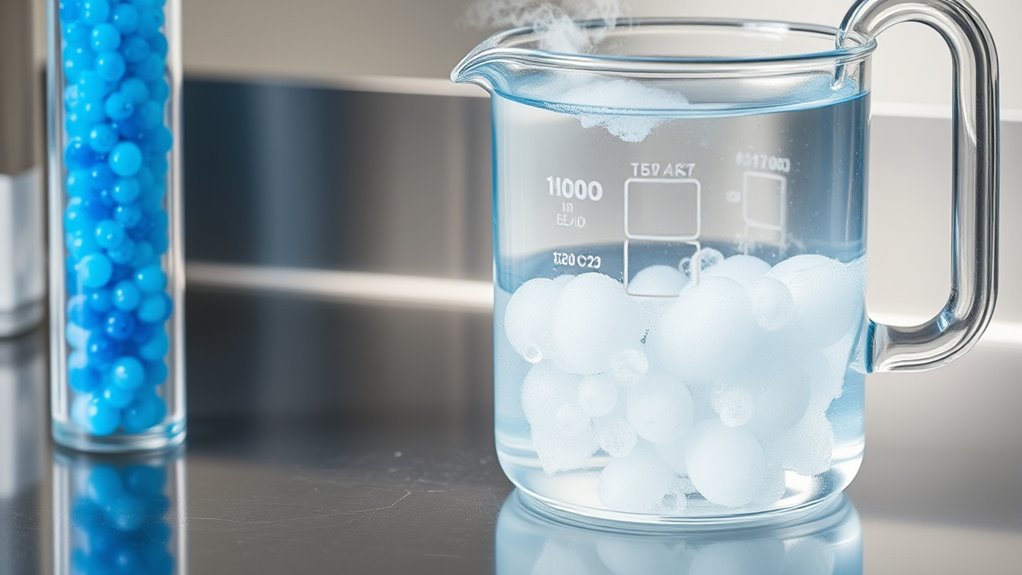
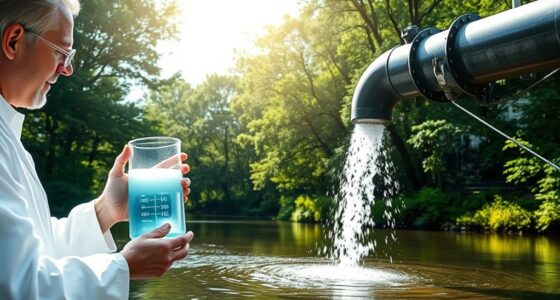
Temporary hardness in water occurs when dissolved bicarbonates of calcium and magnesium cause the water to feel hard and scale up appliances. This type of hardness is usually easy to remove through simple methods like boiling. When you boil water affected by temporary hardness, the bicarbonates decompose, releasing carbon dioxide and forming insoluble carbonates of calcium and magnesium. These precipitates settle at the bottom or are removed with filtration, making boiling an effective way to reduce calcium content and improve water quality. Additionally, data privacy concerns arise when using automated systems to treat water, especially as more advanced monitoring technologies are integrated into water management.
Temporary hardness is caused by calcium and magnesium bicarbonates, which decompose upon boiling to form insoluble carbonates.
However, boiling isn’t always enough for complete calcium removal, especially if the water has high levels of calcium bicarbonates. It’s important to understand that boiling works best for temporary hardness because it causes the bicarbonate ions to break down, unlike permanent hardness, which involves non-bicarbonate salts. You’ll notice that after boiling, the water might become clearer, and appliances won’t scale as quickly. Still, some calcium may remain dissolved, so if you want to achieve more thorough calcium removal, additional treatment methods are necessary.
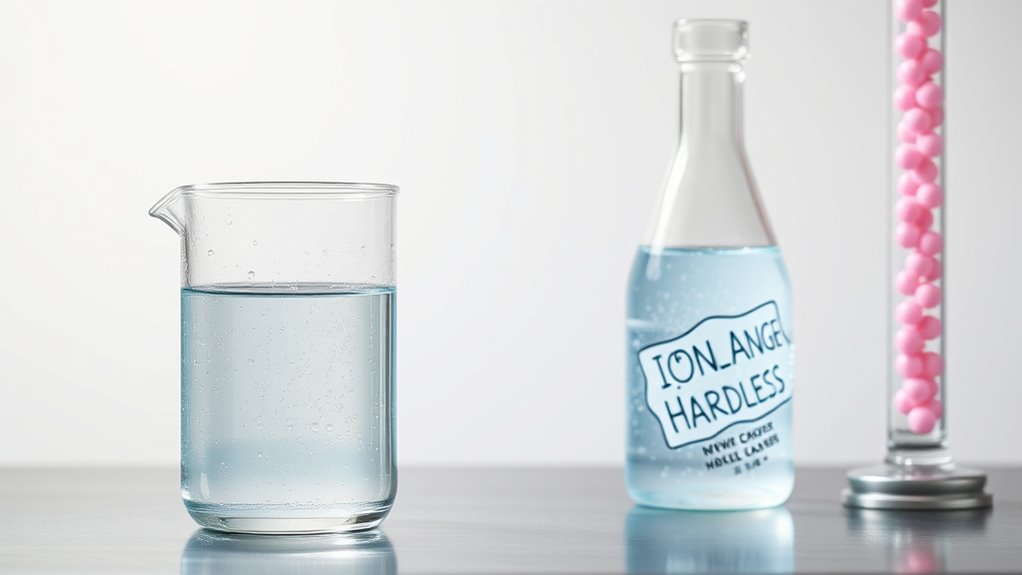
For instance, ion exchange is a common method to eliminate calcium and magnesium ions more effectively. In this process, water passes through a resin bed that exchanges calcium ions for sodium or hydrogen ions, effectively softening the water. This method is particularly useful if you want to prevent scaling in pipes and appliances permanently. It’s a reliable technique for removing calcium beyond what boiling can achieve, especially in areas with hard water.
But you should know that boiling remains a practical first step if you need a quick solution or are dealing with small quantities of water. It’s inexpensive, easy to do at home, and reduces temporary hardness by converting bicarbonates into insoluble carbonates. Keep in mind, though, that repeated boiling may not completely remove calcium, especially if the water has high bicarbonate concentrations. In such cases, combining boiling with other treatment methods, like adding lime or using ion exchange systems, can optimize calcium removal.
As an affiliate, we earn on qualifying purchases.
Frequently Asked Questions
How Does Boiling Remove Temporary Hardness Effectively?
Boiling removes temporary hardness by causing minerals like calcium and magnesium bicarbonates to revert to insoluble carbonates, preventing scaling. When you boil water, these bicarbonates decompose, releasing CO₂ and forming solid mineral deposits. This process effectively reduces hardness, protecting your appliances from scaling. By converting soluble minerals into insoluble forms through mineral reversion, boiling guarantees your water remains softer and scaling is minimized, making it a simple, practical solution for temporary hardness.
What Are the Environmental Impacts of Ion Exchange Methods?
You can’t judge a book by its cover, and ion exchange methods do have environmental impacts. They can increase your environmental footprint through chemical discharge, such as salt or other regenerants, which may contaminate water sources. Proper disposal and waste management help minimize these effects. While effective, you should weigh these environmental impacts against benefits to guarantee responsible use of ion exchange systems.
Can Softened Water Cause Any Health Issues?
Softened water generally doesn’t cause health concerns, but it can lead to mineral imbalances if consumed in excess. The ion exchange process removes calcium and magnesium, which are essential minerals, potentially affecting your health over time. If you rely heavily on softened water, consider balancing your mineral intake from other sources. For most people, occasional use of softened water isn’t harmful, but long-term consumption warrants attention to mineral levels.
How Often Should Ion Exchange Resins Be Regenerated?
You should regenerate your ion exchange resins based on their lifespan and the buildup of minerals, typically every 4 to 6 weeks, but it varies with usage. Imagine the resin beads as tiny sponges soaking up minerals—over time, they become saturated. Regular regeneration guarantees they remain effective, preventing hardness from slipping into your water. Keep an eye on water quality to determine the most suitable regeneration frequency for your system.
Are There Alternative Methods to Boil Water for Hardness Removal?
Yes, you can use chemical alternatives like lime softening or sodium carbonate to remove hardness. Filtration techniques such as activated carbon or reverse osmosis also work effectively. These methods often require less energy and can be more convenient than boiling. Consider your specific needs and water quality to choose the best option. Regular maintenance and proper testing ensure maximum results with these alternative hardness removal methods.
As an affiliate, we earn on qualifying purchases.
Conclusion
To effectively deal with temporary hardness, you can boil the water to remove dissolved bicarbonates or use ion exchange methods to exchange calcium and magnesium ions. Boiling and ion exchange both offer reliable solutions, both prevent scaling and protect appliances, both save you time and effort, and both guarantee your water is safe for use. By choosing the right method, you control your water quality, prevent damage, and enjoy peace of mind every time you turn on your tap.
boiling water hardness removal kit
As an affiliate, we earn on qualifying purchases.
As an affiliate, we earn on qualifying purchases.
As an affiliate, we earn on qualifying purchases.
NFL season / tailgating Picks
team gear
As an affiliate, we earn on qualifying purchases.