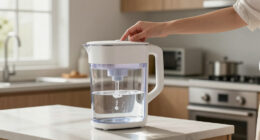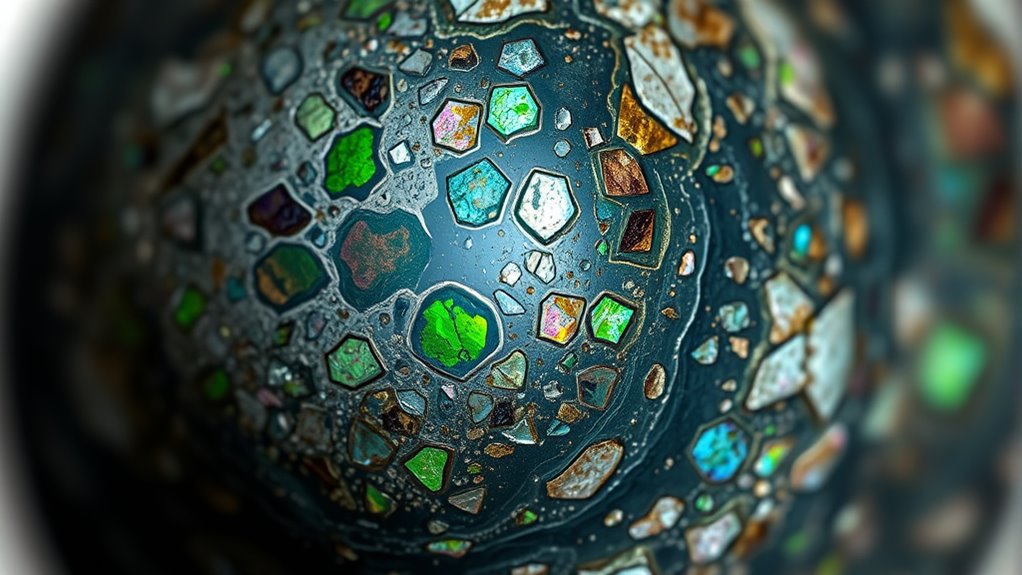

Your pH level directly impacts mineral solubility, which influences how and when scale forms in your water system. Alkaline water tends to cause mineral deposits, while acidic water can lead to corrosion. Managing pH wisely helps prevent scale buildup and guides you to choose the right treatment methods, like acid injection or neutralizers. Understanding this connection will empower you to keep your system running smoothly and extend its lifespan—more details await if you keep exploring.
Key Takeaways
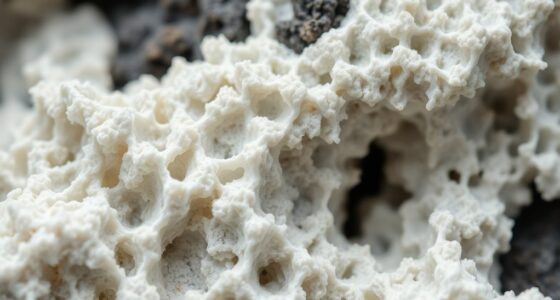
- pH levels determine mineral solubility, influencing whether scale-forming minerals precipitate or remain dissolved.
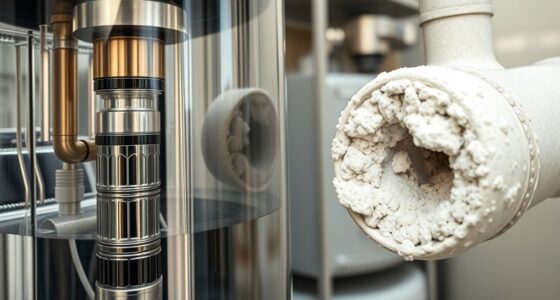
- Alkaline water (high pH) promotes mineral precipitation, increasing the risk of scale buildup.
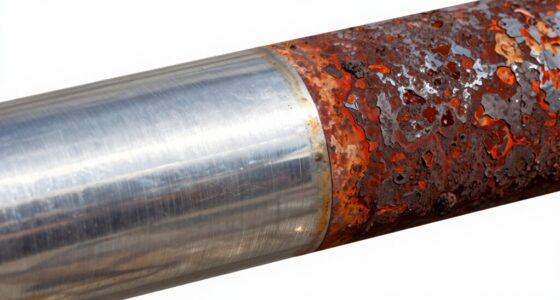
- Acidic water (low pH) can cause corrosion but may also dissolve existing scale, affecting treatment strategies.
- Proper pH adjustment prevents mineral precipitation, guiding the choice between acid injection, neutralization, or pH correction.
- Monitoring pH helps optimize treatment methods to control scale formation and protect infrastructure.

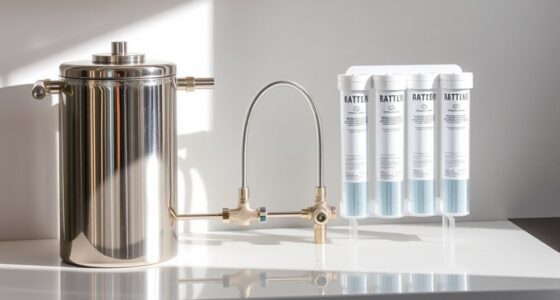
Understanding pH influence also guides your choice of treatment options. For instance, if water is naturally alkaline, you might consider acid injection or pH adjustment systems to keep mineral solubility ideal. Conversely, in acidic water, neutralizers or corrosion inhibitors may be necessary to protect infrastructure while maintaining the right pH balance. Proper treatment not only prevents scale but also extends the lifespan of plumbing and equipment, saving you money over time. Additionally, regular testing of water pH levels helps you stay ahead of potential scaling issues. Automated pH controllers and monitoring devices enable real-time adjustments, ensuring your water remains within the suitable range for scaling prevention. By understanding how pH influences mineral solubility and taking proactive measures, you can maintain an efficient, trouble-free water system. Proper pH management is crucial because mineral solubility directly impacts scale formation and system efficiency. Ultimately, controlling pH isn’t just about avoiding scale; it’s about optimizing water quality and protecting your investments from unnecessary wear and tear caused by mineral deposits.
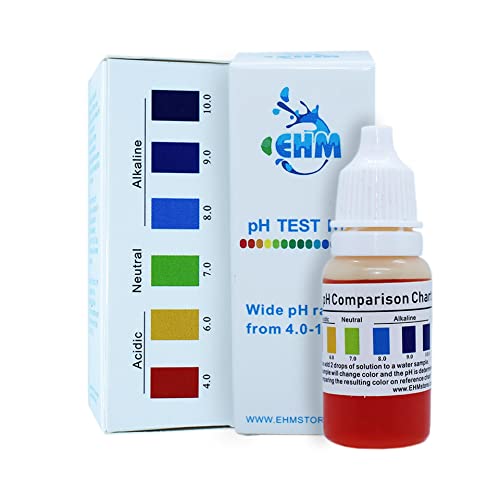
Alkaline Water (ph Test Kit) for Drinking Water Measures pH Level of Water More Accurately Than Test Strips pH Starter Kit Drops Easy to Use
- pH Range: 4.0 to 10.0
- Ease of Use: Squeeze bottle design
- Made in USA: All parts and ingredients
As an affiliate, we earn on qualifying purchases.
As an affiliate, we earn on qualifying purchases.
Frequently Asked Questions
How Does Ph Affect Different Types of Mineral Deposits?
You’ll find that pH considerably impacts mineral deposits by affecting chemical precipitation and mineral solubility. In acidic conditions, some minerals dissolve more easily, preventing scale formation. Conversely, in alkaline environments, minerals like calcium carbonate become less soluble, promoting scale buildup. Adjusting pH levels allows you to control mineral deposit formation, helping you optimize treatment strategies and reduce unwanted scale in pipes and equipment.
Can Ph Adjustments Reverse Existing Scale Buildup?
Yes, adjusting pH can promote scale dissolution, helping to reverse some existing buildup. When you increase pH levels, it enhances pH buffering, which can break down mineral deposits like calcium carbonate. However, this method works best on softer, less mature scales. For stubborn, mature deposits, chemical treatments or mechanical removal might be necessary, as pH adjustments alone may not fully reverse heavy scale buildup.
What Ph Levels Are Optimal for Minimizing Scale in Various Industries?
In the age of dial-up internet, you realize that maintaining an ideal pH level is essential. For minimizing scale, aim for a pH between 7.0 and 9.0 in most industries. Proper pH control helps prevent scale formation and corrosion, ensuring equipment longevity and efficiency. Adjusting pH within this range keeps water chemistry balanced, reducing the need for aggressive chemical treatments and supporting effective corrosion prevention strategies.
How Quickly Does Ph Change Impact Scale Formation?
pH fluctuation can rapidly impact scale formation, sometimes within hours or days, depending on water chemistry. A sudden drop in pH can promote scale dissolution, breaking down existing deposits. Conversely, a rise in pH can accelerate scale buildup. You need to monitor pH levels closely, as even minor changes can markedly influence scale formation and treatment effectiveness, preventing long-term issues in your system.
Are There Environmental Concerns With Ph Modification in Water Treatment?
You should be aware that pH modification in water treatment can pose significant environmental concerns, potentially impacting aquatic ecosystems more than you might imagine. These changes can disrupt natural balances, harming plants and animals. Regulatory considerations are essential, as authorities enforce strict limits to minimize environmental impact. Consequently, you must carefully weigh the benefits of pH adjustments against potential ecological risks, ensuring compliance and protecting water quality for the future.

Smart EC pH Temperature Monitor for Hydroponics, 3-in-1 WiFi Water Quality Tester pH EC Controller with Dual Relay Output for Nutrient Reservoir Electric Conductivity Controller pH Meter for Aquarium
- WiFi Monitoring & Control: Track pH, EC, and temperature remotely
- Dual Relay Control: Automatically dose pH and nutrients
- Customizable Alerts: Set thresholds for pH and EC levels
As an affiliate, we earn on qualifying purchases.
As an affiliate, we earn on qualifying purchases.
Conclusion
Understanding how pH influences scale formation helps you navigate treatment options more effectively. Think of pH as the conductor orchestrating the dance of minerals—when it’s out of tune, scale grows unruly. By adjusting pH levels wisely, you can prevent scale build-up, keeping your systems smooth and efficient. Remember, controlling pH is like tuning an instrument; with careful attention, you make sure everything stays in harmony, avoiding costly disruptions and extending equipment life.

1.5 Cubic Ft. pH Water Filter System with Fleck Digital 5600SXT Control Head Acid Neutralizer with Calcite
- Water pH Adjustment: Raises pH from 5.5 to neutral
- Resin Tank: Standard resin tank included
- Suitable for Small Homes: Ideal for 1-2 bathroom homes
As an affiliate, we earn on qualifying purchases.
As an affiliate, we earn on qualifying purchases.
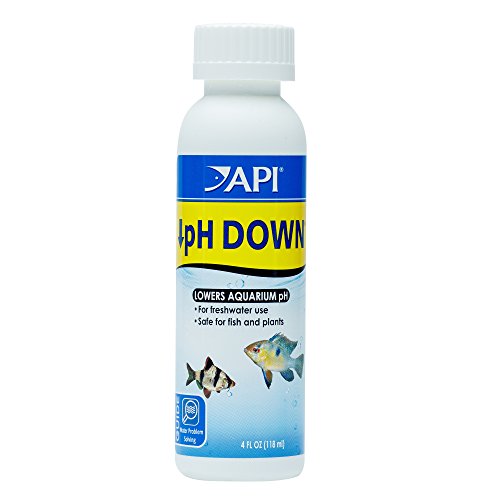
API pH DOWN Freshwater Aquarium Water pH Reducing Solution 4-Ounce Bottle
- Product Quantity: 4-ounce bottle of pH reducer
- Phosphate-Free Formula: Lowers pH without phosphates
- Safe for Aquarium Life: Does not promote algae growth
As an affiliate, we earn on qualifying purchases.
As an affiliate, we earn on qualifying purchases.