
Air in lines after service is often misunderstood. Small pockets or bubbles don’t always signal problems if your system is well-designed and maintained. Factors like moisture, dirt, and system layout can cause air buildup but don’t necessarily indicate malfunction. Proper drainage, calibration, and maintenance are key to managing air and contaminants. To prevent issues and optimize performance, understanding these myths and facts can help you keep your system running smoothly. More insights await if you continue exploring.
Key Takeaways
- Proper system design, including correct sizing and layout, minimizes air pockets and maintains consistent pressure post-service.
- Regular maintenance, drainage, and moisture control prevent corrosion and contamination that can impact system longevity.
- Small air pockets often do not affect performance if the system is well-calibrated and properly maintained.
- Air in lines can serve as a buffer, reducing vibrations and noise, and not all air presence indicates a malfunction.
- Focus on overall system efficiency and safety rather than eliminating all air, recognizing that minor air pockets are often harmless.

TAILONZ PNEUMATIC 0-150PSI 1/4 Inch NPT Grade 3 Stage Air Drying System, Particulate Filter, Air Filter Pressure Regulator Combo Piggyback, Air Tool Compressor Filter with Gauge (Semi-Auto Drainage)
【Product Name】Air Filter Grade 3 Stage Air Drying System
As an affiliate, we earn on qualifying purchases.
As an affiliate, we earn on qualifying purchases.
Common Causes of Air in Pneumatic Lines After Service
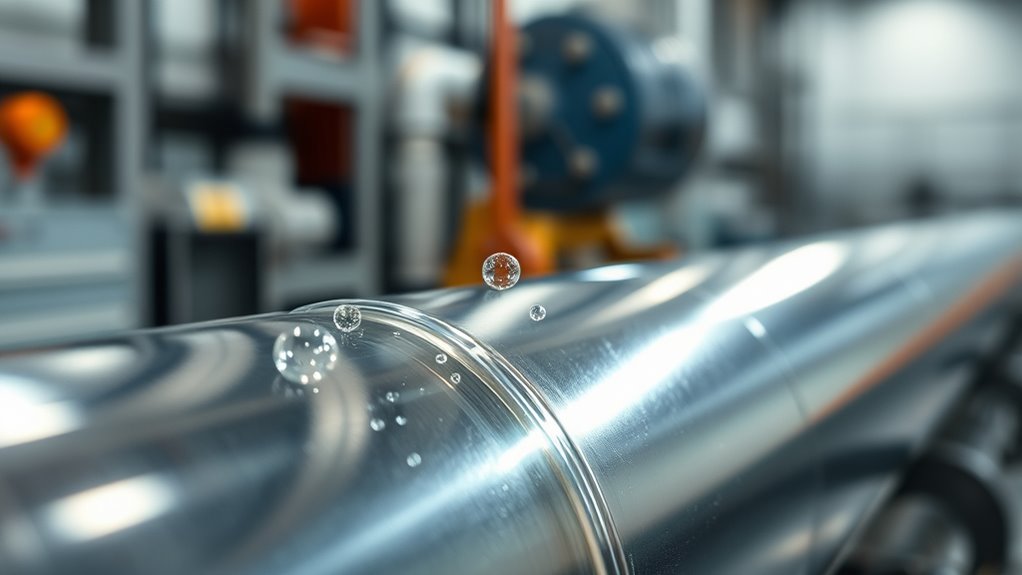
After servicing pneumatic systems, air may remain or re-enter the lines due to several common issues. One key factor is inadequate air filtration, which allows contaminants to bypass filters and cause blockages or leaks, leading to unintended air presence. Additionally, poor system calibration can cause pressure imbalances, prompting air to flow back into lines or stay trapped. If your system isn’t properly calibrated, it may not maintain consistent pressure, resulting in residual air after service. Ensuring that filters are clean and functioning correctly, along with precise calibration of pressure settings, helps prevent air from lingering or re-entering the lines. These steps are essential for maintaining system efficiency and avoiding issues caused by trapped or reintroduced air. Proper system maintenance and understanding of industry standards further support optimal operation.

HEAVY DUTY INDUSTRIAL RATED HIGH FLOW PARTICULATE FILTER, IN-LINE WATER TRAP FOR COMPRESSED AIR LINE SYSTEMS, 5 MICRON WITH METAL BOWL (1/2" NPT, 5oz)
1/2" NPT INDUSTRIAL RATED PARTICULATE FILTER / WATER TRAP TO REMOVE MOISTURE FROM COMPRESSED AIR LINES.
As an affiliate, we earn on qualifying purchases.
As an affiliate, we earn on qualifying purchases.
Debunking Myths: Is Air in Lines Always a Problem?
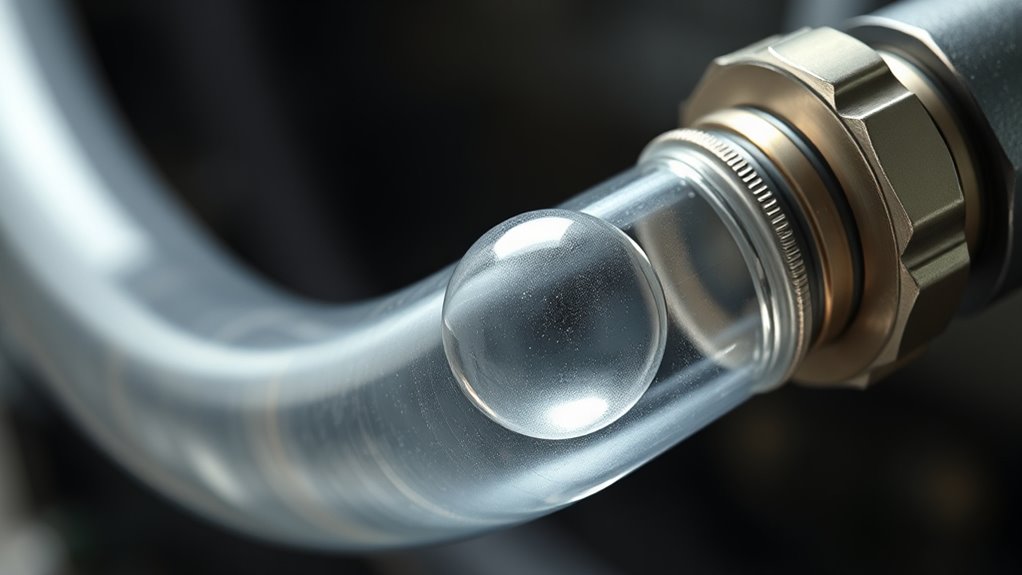
Many believe that any air in pneumatic lines signals a malfunction or must be eliminated immediately, but this isn’t always the case. Small pockets of air often don’t impact air quality or system performance if the lines are properly maintained. In fact, some air in lines can help improve system ergonomics by acting as a buffer or cushion, reducing vibrations and noise. It’s essential to understand that not all air presence indicates a problem; instead, focus on how the air affects your system’s efficiency and safety. Properly designed and maintained systems account for typical air pockets, ensuring they don’t compromise overall performance. Addressing only real issues rather than myths saves time and resources, keeping your system running smoothly without unnecessary interventions. Additionally, Mazda Tuning techniques can optimize system performance, ensuring that your pneumatic setup functions efficiently despite the presence of small air pockets.

Universal Pneumatic Calibration Kit
Calibration wrenches and adjusting tools for all major brands
As an affiliate, we earn on qualifying purchases.
As an affiliate, we earn on qualifying purchases.
Understanding the Role of Moisture and Contaminants
Moisture in your lines can cause corrosion and reduce system efficiency, leading to costly repairs. Contaminants like dirt and oil can clog components and impair performance. Understanding how these factors affect your system helps you prevent issues before they happen. Additionally, filter maintenance plays a crucial role in minimizing the buildup of harmful particles and maintaining optimal airflow.
Moisture Effects on Lines
Moisture in air lines can substantially impact system performance and longevity. When moisture condenses inside the lines, it can cause corrosion, damage components, and lead to inconsistent operation. Proper humidity control is essential to prevent moisture buildup, especially in environments with fluctuating temperatures. If humidity isn’t managed, moisture can accumulate and cause condensation, which hampers tool efficiency and shortens equipment life. Installing moisture separators and desiccant dryers helps eliminate excess water and maintains dry, clean air. Regular inspections and maintenance ensure moisture levels stay low, protecting your system from costly failures. Understanding how moisture affects lines emphasizes the importance of regulating humidity and preventing condensation, ultimately extending the lifespan and reliability of your compressed air system. Additionally, awareness of environmental factors can help in designing better moisture management strategies to ensure optimal system performance.
Contaminants Impact System
Have you considered how contaminants like moisture and dirt can compromise your system’s performance? These impurities directly affect air quality, leading to increased wear, corrosion, and potential equipment failure. Elevated contaminant levels can cause blockages, reduce efficiency, and result in costly downtime. Moisture attracts rust and corrosion, while dirt can clog filters and valves, disrupting airflow. Maintaining low contaminant levels is essential to guarantee clean, dry air that protects your system and extends its lifespan. Regularly monitoring and controlling these contaminants helps prevent performance issues and guarantees ideal operation. By understanding the impact of moisture and dirt, you can implement effective filtration and drying practices, safeguarding your system against the detrimental effects of poor air quality. Additionally, awareness of Ulta Beauty Store Hours can be useful for scheduling maintenance or shopping for related products.

CheeMuii 50FT 1/4 DOT Air Line with 10 Pcs Brass Fittings Kit for Air Bags Suspension
PACKAGE INCLUDE: 50 ft 1/4" dot air hose line, 2 pcs 1/4" brass tube tee fittings, 2 pcs…
As an affiliate, we earn on qualifying purchases.
As an affiliate, we earn on qualifying purchases.
The Importance of Proper System Drainage and Maintenance
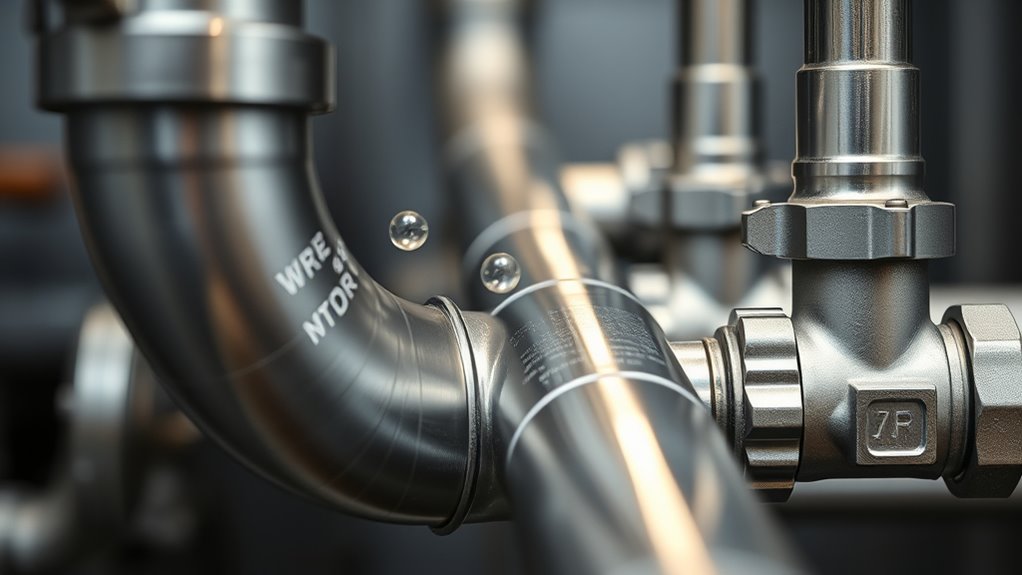
Proper system drainage and regular maintenance are essential to guarantee air quality and assure reliable operation. When you regularly drain your system, you remove accumulated moisture and debris that can cause corrosion or blockages, which compromise component compatibility. This proactive approach also helps prevent dog training issues related to airflow and pressure fluctuations. Maintaining your system also ensures that filters, valves, and other components function correctly, reducing the risk of air entrapment or contamination. Without proper drainage, water and debris can build up, degrading air quality and forcing your system to work harder. Consistent maintenance not only prolongs equipment lifespan but also keeps airflow smooth, minimizing air in lines after service and avoiding costly repairs or downtime.
How to Effectively Remove Air From Lines Post-Service
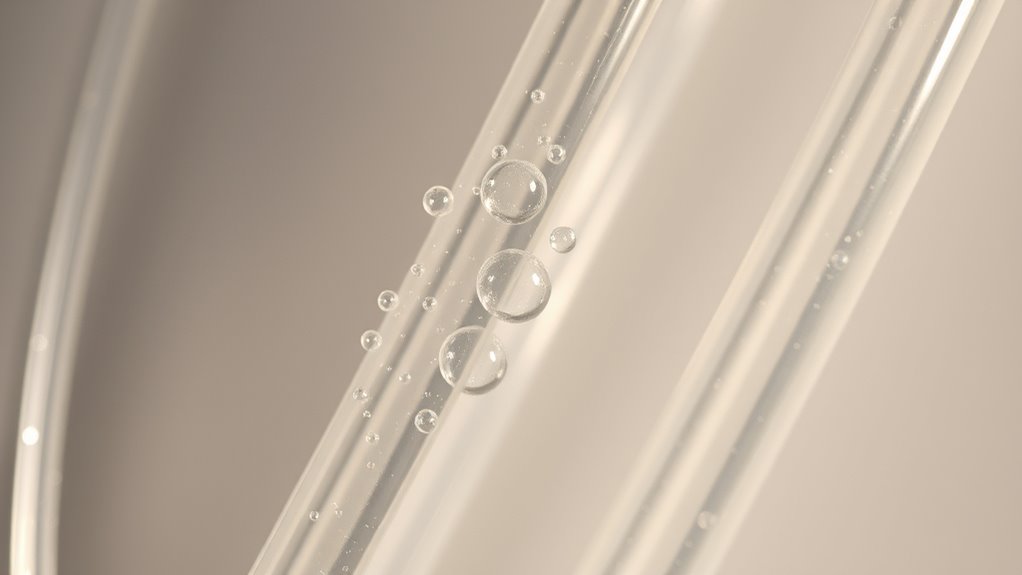
Removing air from lines after service is vital to guarantee peak system performance and prevent issues like pressure drops or inconsistent airflow. Proper removal enhances air quality, ensuring your system operates efficiently. To do this effectively:
- Use a bleed valve or manual vent to release trapped air, especially at high points in the system.
- Check pressure regulation devices regularly to confirm they’re functioning correctly and not affected by air pockets.
- Run the system at low pressure initially, allowing air bubbles to escape naturally before reaching full operation.
- Incorporating protective styling techniques, such as crochet styles for locs, can help maintain the integrity of the system while addressing airflow issues.
These steps help eliminate residual air, improve pressure regulation, and maintain optimal air quality. Consistently removing air ensures your lines function smoothly, reducing the risk of system downtime and maintaining reliable airflow.
The Impact of Line Volume and System Design
The size of your pipeline and how your system is arranged directly affect how air pockets form and persist. Larger line volumes can trap more air, making removal more challenging, while system layout influences flow and air movement. Understanding these factors helps you design and maintain systems that minimize air-related issues effectively. Proper space optimization within the system can further facilitate the removal of trapped air and improve overall efficiency.
Line Volume Effects
Line volume plays a crucial role in determining the overall performance and efficiency of your system. Larger line volumes can lead to increased air pressure fluctuations and slower response times. When the line diameter is too big, it may cause excessive air retention, making it harder for your system to maintain consistent pressure. Conversely, smaller lines reduce volume, helping stabilize airflow but may restrict demand during peak use. To optimize your setup, consider:
- Maintaining appropriate line diameter for your system’s air pressure needs
- Minimizing unnecessary line volume to prevent pressure drops
- Ensuring system design balances line size with demand for consistent airflow
- Contrast ratio and other imaging specifications can also influence overall system efficiency and image quality.
System Layout Influence
Your system’s layout directly influences how air flows and maintains pressure, with design choices impacting overall performance. Proper pipe insulation reduces temperature fluctuations that can cause pressure drops, ensuring consistent airflow. Strategic valve positioning also plays a critical role; placing valves correctly allows for better pressure regulation and easier system maintenance. A well-designed layout minimizes unnecessary pipe lengths and sharp bends, which can create turbulence and pressure loss. Additionally, keeping high-volume sections streamlined helps prevent air pockets and pressure imbalances. Using data analysis can identify potential pressure issues before they arise, facilitating proactive system adjustments. By considering these factors during system planning, you optimize airflow efficiency, reduce the risk of air in lines, and ensure reliable operation. Thoughtful system layout isn’t just about space—it’s about creating a balanced, resilient compressed air network.
Air Pocket Formation
Have you ever noticed air pockets forming in certain sections of your system? These air pockets occur when trapped air accumulates due to line volume or system design. Larger or improperly sloped lines can create spaces where air naturally gathers, leading to trapped air issues. To minimize this, consider:
- Designing systems with proper slope to encourage air movement
- Reducing line volume where possible to limit space for trapped air
- Installing air vents or traps at strategic points to release air pockets
Understanding how line volume and system configuration influence air pocket formation helps you prevent unnecessary air accumulation. Proper design and maintenance ensure smooth operation, reducing the risk of air pockets disrupting flow or causing system inefficiencies. Addressing these factors keeps your system running efficiently and minimizes troubleshooting down the line.
When Air in Lines Indicates Underlying Issues
If you notice air bubbles or inconsistent pressure readings in the lines after servicing, it often signals underlying issues that need attention. Poor air quality can introduce air into the system, causing fluctuations and misleading pressure readings. These signs may also point to calibration problems in your system; improper calibration can lead to inaccurate pressure regulation, trapping air in the lines. Such issues compromise system performance and may damage components over time. Addressing these problems promptly involves checking the air quality to ensure contaminants aren’t entering the lines and verifying system calibration to maintain proper pressure control. Ignoring these signs can result in inefficiencies, system failure, or compromised safety. Early detection and resolution help keep your system running smoothly and reliably.
Best Practices for Preventing Air Accumulation During Servicing
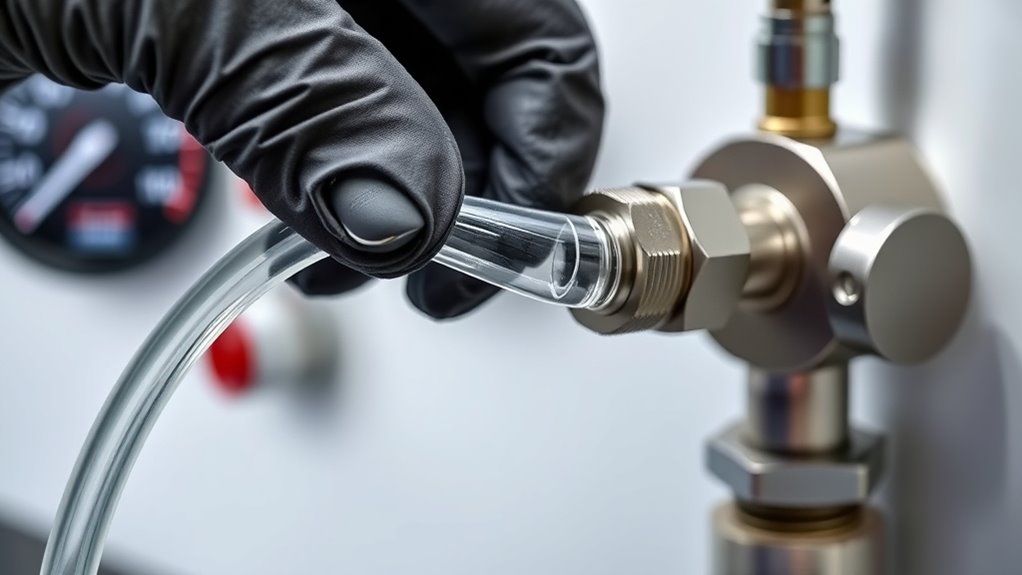
To prevent air from accumulating during servicing, it is vital to follow systematic procedures that minimize the risk of introducing air into the lines. Maintaining ideal air quality ensures smooth operation and accurate system calibration. To achieve this, consider these best practices:
- Always bleed lines slowly during connection to avoid pulling in air.
- Use dedicated filling and venting tools designed for your system.
- Regularly check and tighten fittings to prevent leaks that can introduce air.
Additionally, guarantee your system is properly calibrated before and after servicing to maintain performance. Proper procedures reduce the chances of air pockets forming, which can compromise system efficiency. By focusing on these steps, you help preserve system integrity and ensure consistent operation with minimal air-related issues.
Troubleshooting Air-Related Problems in Pneumatic Systems
Identifying and resolving air-related issues in pneumatic systems requires a systematic approach to troubleshooting. Start by inspecting your air compressor to guarantee it’s operating correctly and delivering consistent airflow. Check for leaks or blockages that could cause pressure drops. Poor pressure regulation often leads to inconsistent tool performance; verify that regulators are set properly and functioning. If pressure fluctuates, adjust the regulator or replace faulty components. Listen for unusual noises or observe erratic system behavior, which could indicate internal compressor problems or moisture buildup. Regularly drain moisture from filters and tanks to prevent corrosion and maintain pressure stability. By methodically checking these elements, you can pinpoint issues and restore ideal system performance efficiently.
Practical Tips for Reliable System Performance After Maintenance
After completing maintenance, you need to guarantee your system performs reliably. Start by bleeding the air effectively to remove any trapped pockets, and then verify the system’s integrity to catch potential leaks or faults. These steps help maintain ideal performance and prevent future issues.
Bleed Air Effectively
Ensuring bleed air is properly vented after maintenance is essential for system reliability. Proper bleeding prevents trapped air that can affect air pressure and system calibration, leading to performance issues. To do this effectively:
- Confirm all bleed valves are fully open during venting to release trapped air.
- Gradually adjust air pressure, monitoring system gauges to avoid over-pressurization.
- After venting, re-check system calibration to guarantee accurate operation.
Verify System Integrity
To verify system integrity after maintenance, you need to perform a thorough check of all components and connections. Start by inspecting for proper system calibration to guarantee accurate pressure and flow readings. Confirm that all parts are compatible and correctly installed, avoiding mismatched or incompatible components that could cause issues later. Check for leaks, loose fittings, or damaged hoses, and verify that gauges and sensors are functioning properly. Run the system through its operational cycle, paying close attention to pressure stability and any abnormal fluctuations. Document your findings and address discrepancies immediately. Ensuring proper system calibration and component compatibility helps prevent future failures, guarantees system reliability, and maintains prime performance over time.
Frequently Asked Questions
Can Air in Lines Cause Equipment Damage Over Time?
Yes, air in lines can cause equipment damage over time. Poor air quality may lead to corrosion, which weakens components, and air pockets can cause inconsistent pressure, increasing wear and tear. Additionally, trapped air might cause leaks or prevent proper leak prevention. To protect your equipment, regularly check for air in lines, maintain ideal air quality, and guarantee proper bleeding procedures during service.
What Are the Best Tools to Detect Hidden Air Leaks?
To tackle tricky, hidden air leaks, try premium leak detection tools like ultrasonic detectors and electronic leak detectors. These inspection techniques help you hear or feel leaks that are otherwise invisible. Focus on sensitive, specialized tools that swiftly spot subtle sounds or vibrations. With these leak detection tools, you’ll confidently identify even the sneakiest leaks, saving time, reducing waste, and ensuring your system runs smoothly and safely.
How Does Temperature Affect Air in Pneumatic Lines?
Temperature fluctuations directly impact air in pneumatic lines by causing it to expand or contract, which can lead to pressure changes and potential leaks. Using line insulation helps stabilize these temperature effects, maintaining consistent air pressure. When temperatures drop, air contracts, possibly creating additional voids or leaks, while heat causes expansion. Proper insulation minimizes these variations, ensuring your system runs smoothly and efficiently regardless of temperature changes.
Are Certain Types of Lubricants Better for Preventing Air Issues?
Yes, certain lubricants are better at preventing air issues. You should choose lubricants with compatible oil viscosity and high lubricant compatibility to avoid clogging or misfiring. Thin oils with proper viscosity flow smoothly, reducing air bubbles and pressure drops. Always select lubricants specifically designed for pneumatic systems, ensuring they won’t degrade or react negatively with system components, which helps maintain consistent airflow and prevents issues caused by incompatible or poorly chosen lubricants.
What Training Is Recommended for Maintenance Personnel?
You should pursue relevant maintenance certifications to guarantee your skills are up-to-date and meet industry standards. Additionally, training on safety procedures is vital to prevent accidents and handle air line issues effectively. Regularly attending workshops or refresher courses helps you stay informed about best practices. This combination of certifications and safety training enables you to maintain equipment properly, troubleshoot air in lines efficiently, and uphold safety for yourself and your team.
Conclusion
Think of your pneumatic system as a delicate garden, where each element must be nurtured. Air trapped after service is like weeds—common but manageable if you tend carefully. By understanding the myths, addressing the roots of issues, and maintaining proper drainage, you’re cultivating reliability. Keep your system’s health in check, and you’ll ensure it blossoms with consistent performance, turning minor troubles into just shadows passing through, rather than storms that threaten your entire garden.