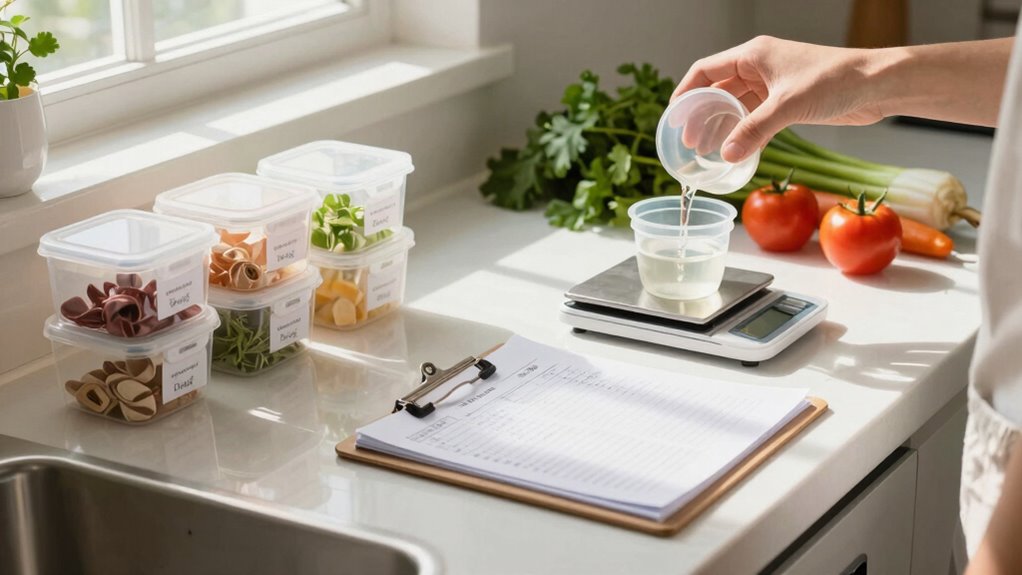
To build a better home sampling routine, start by using clean hands and sterilized tools to prevent contamination. Follow consistent procedures, including labeling samples clearly and storing them properly in cool, dark places. Maintain a clean sampling area and disinfect tools before each use. Keep detailed records and stick to a set schedule to guarantee reliability. If you keep these tips in mind, you’ll improve your sampling accuracy and trustworthiness. Keep going to discover more effective techniques.
Key Takeaways
- Establish a consistent sampling schedule to ensure reliable data collection over time.
- Use sterilized tools and containers, and handle samples with gloves to prevent contamination.
- Label samples clearly with date, time, and source for accurate tracking and analysis.
- Maintain a clean sampling environment and disinfect tools before each use.
- Store samples properly in cooled, dark conditions to preserve integrity until analysis.
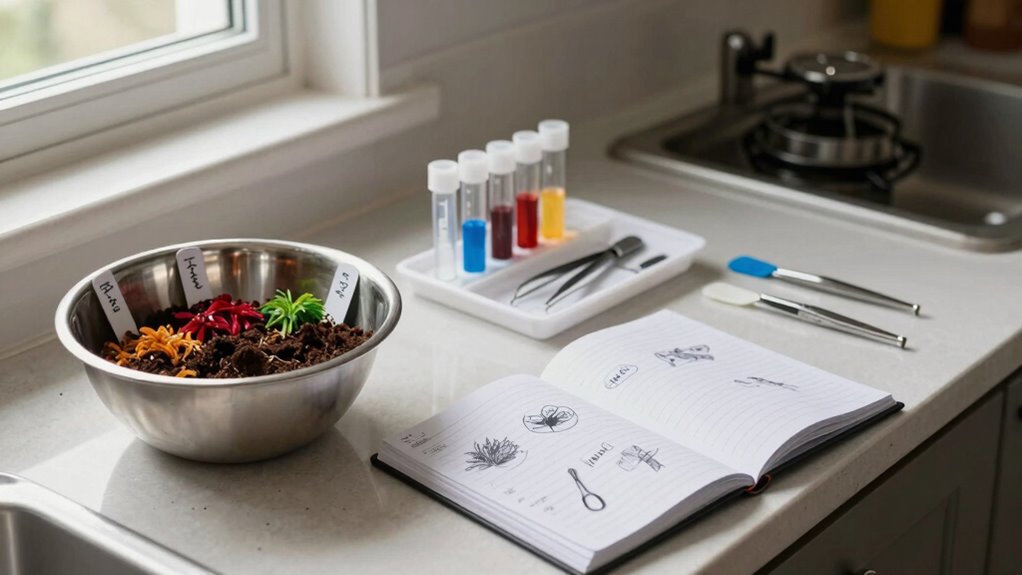
Establishing an effective home sampling routine can markedly improve the accuracy and reliability of your results. When you prioritize proper sample collection, you minimize errors that could skew your findings and ensure your tests provide meaningful insights. One of the most critical aspects of a successful routine is understanding how to collect samples properly. Always start with clean hands and sterilized tools to avoid introducing contaminants. Use the recommended containers, and make sure they’re sealed tightly to prevent any outside interference. Label each sample clearly with the date, time, and specific location or source to keep your records organized and avoid mix-ups later. Consistency is key, so try to stick to the same procedures each time you collect samples, which helps you identify genuine changes over time rather than procedural discrepancies.
Contamination prevention is an essential part of building a reliable home sampling routine. If you don’t take steps to prevent contamination, your results could be compromised, leading to false positives or negatives that misrepresent the true state of your sample. To prevent this, avoid touching the inside of containers or lids, and keep your sampling area as clean as possible. Use alcohol wipes or disinfectants on tools and surfaces before each sampling session. When collecting samples from water, soil, or air, ensure that your collection method doesn’t introduce foreign substances. For example, don’t dip tools into contaminated water or soil, and always handle samples with gloves. Proper storage between collection and analysis also plays a vital role—keep samples refrigerated or in a cool, dark place if analysis isn’t immediate. This prevents degradation and maintains sample integrity. Additionally, understanding the importance of sample integrity can help you maintain the quality of your samples throughout the process. Incorporating contamination prevention strategies into your routine further ensures the accuracy of your results and helps you develop a trustworthy sampling process. Establishing a routine that emphasizes sample preservation can make a significant difference in maintaining sample quality over time. Developing a clear sampling schedule and sticking to it will help you capture meaningful data and track environmental changes more effectively.
As an affiliate, we earn on qualifying purchases.
Frequently Asked Questions
What Are the Best Tools for Home Sampling?
You should invest in reliable sampling tools like sterilized containers, pipettes, and collection swabs. Use equipment that’s properly calibrated to guarantee accuracy in your samples. Incorporate effective sampling techniques, such as consistent collection methods and proper handling, to improve results. Regularly check and calibrate your equipment to maintain precision and avoid contamination, making your home sampling routine more effective and trustworthy.
How Often Should I Update My Sampling Routine?
You should update your sampling routine whenever you’ve exhausted the thrill of consistency—roughly every few months. Don’t wait for your routine to become as outdated as yesterday’s news; instead, schedule routine evaluation every 3-6 months to keep your sampling frequency sharp. Regular updates guarantee your methods stay relevant, effective, and prevent your routine from turning into a boring, static process that nobody cares about.
How Do I Ensure Sample Contamination Is Avoided?
To avoid sample contamination, you need to control environmental factors like dust, humidity, and temperature. Always sanitize sampling tools thoroughly before use, and use sterile containers. Use gloves to prevent contact with samples, and label everything clearly for sample validation. Store samples promptly in appropriate conditions, and avoid cross-contamination by sampling different areas separately. Regularly review your procedures to maintain integrity and guarantee reliable, uncontaminated results.
What Safety Precautions Are Necessary During Sampling?
During sampling, you need to prioritize safety by wearing proper personal protective equipment, including gloves, masks, and goggles, to prevent exposure. Maintain contamination control by sterilizing tools and working in a clean environment. Always follow safety guidelines, handle samples carefully, and dispose of waste properly. Staying vigilant helps protect you from potential hazards and guarantees the integrity of your samples.
How Do I Store Collected Samples Properly?
You should store collected samples in clearly labeled storage containers to prevent mix-ups. Guarantee each container has accurate sample labeling, including date, type, and source. Keep samples in a cool, dry place or refrigerated if necessary, to maintain integrity. Avoid exposure to sunlight or heat, which can degrade the samples. Proper storage helps preserve sample quality for accurate analysis later and minimizes contamination risks.
As an affiliate, we earn on qualifying purchases.
Conclusion
Building a better home sampling routine isn’t just about collecting data; it’s about creating a process that’s reliable and easy to follow. Think of it as the foundation of a sturdy house—without it, everything else could crumble. While the steps may seem simple, the impact is profound. With consistency and attention, your routine becomes a tool for clarity, not chaos. In the end, a strong routine turns everyday sampling into a powerful advantage.
refrigerated sample storage containers
As an affiliate, we earn on qualifying purchases.
As an affiliate, we earn on qualifying purchases.
As an affiliate, we earn on qualifying purchases.