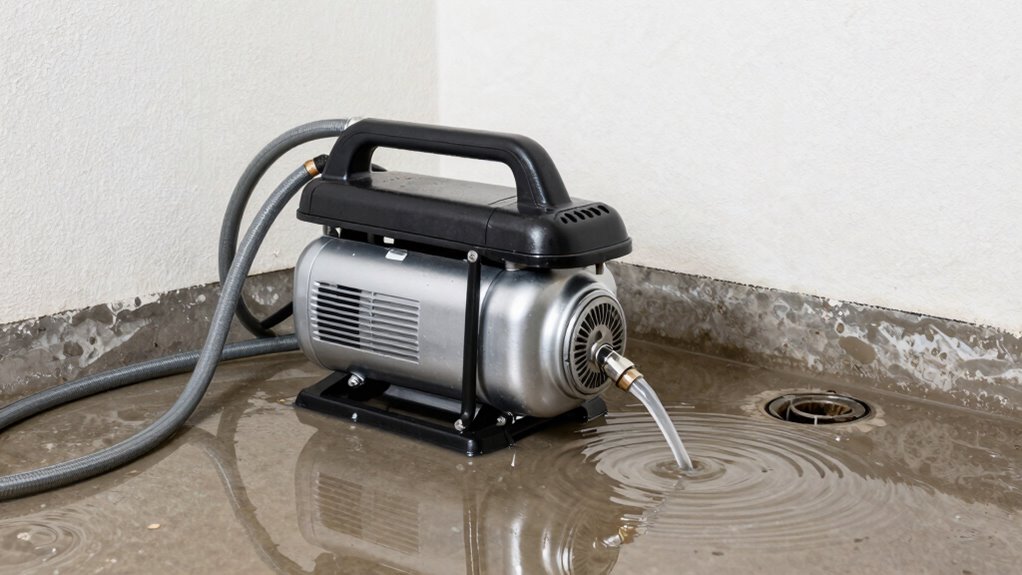

Utility pumps are essential for tackling water emergencies at home. When floods, burst pipes, or contaminated water strike, these pumps quickly remove water from basements, yards, or pools, helping prevent extensive damage. They often come with features like automatic shut-off and adjustable flow rates, making them easy to operate during stressful situations. Power backup options guarantee they keep working even during outages. Keep exploring to discover how choosing the right utility pump can enhance your emergency preparedness.

Get home appliances delivered free with Prime
- Fast, free delivery on millions of items
- Prime Video, Amazon Music and more included
- Member-only deals all year
Key Takeaways
- Utility pumps quickly remove water from flooded areas, minimizing property damage and reducing cleanup time during emergencies.
- They provide continuous operation with power backup options like batteries or generators, ensuring functionality during outages.
- Emergency features such as automatic shut-off and adjustable flow rates enable effective water management in urgent situations.
- Portable utility pumps allow rapid deployment to affected areas, enhancing overall emergency response efficiency.
- Including utility pumps in emergency preparedness kits helps protect homes and loved ones from water-related disasters.
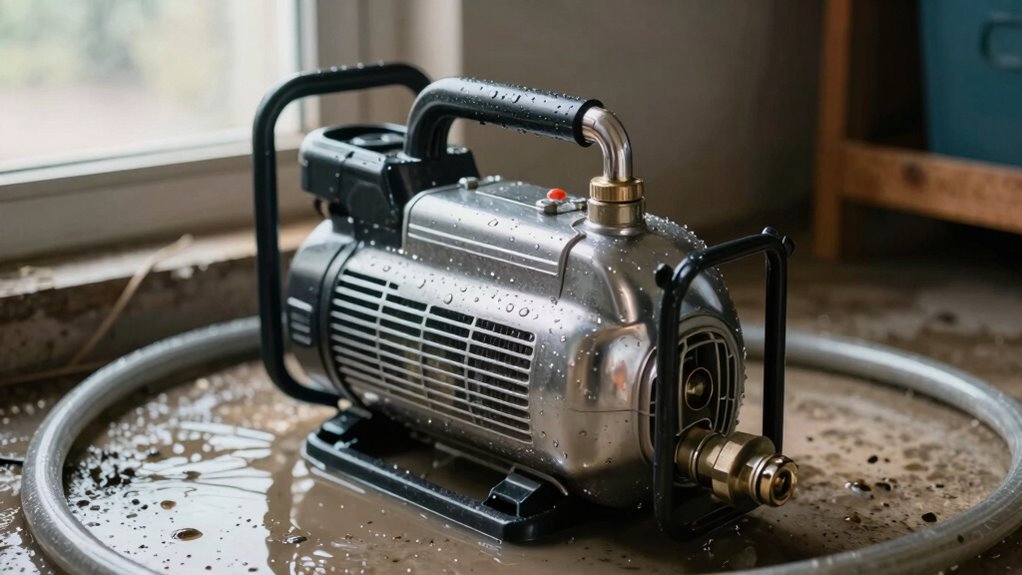
Have you ever considered how critical a reliable utility pump can be during a water emergency? When disaster strikes, whether it’s flooding, burst pipes, or contaminated water sources, having a dependable pump can make all the difference. Utility pumps are versatile tools that help you manage water quickly and efficiently, especially when your household’s safety is on the line. They can remove excess water from your basement, pool,, or yard, preventing further damage and reducing cleanup time. Plus, many models are equipped with features like water filtration capabilities, which become indispensable if you’re dealing with contaminated water. Filtering out debris and pollutants ensures you aren’t just removing water but also safeguarding your household from potential health hazards.
During a water crisis, a power backup becomes essential. If the power goes out, your primary pump might stop working, leaving you vulnerable to flooding or water accumulation. That’s where a utility pump with a reliable power backup—such as a battery or portable generator—becomes invaluable. It guarantees you can continue pumping water even when the grid is down, giving you peace of mind. You can keep water levels under control, protect your property, and maintain a safe environment without interruption. Investing in a pump with a robust power backup system means you’re prepared for unexpected outages, which are common during storms or other emergencies.
In addition to handling large volumes of water, utility pumps often come with features that enhance emergency response. Some models include automatic shut-off mechanisms, so you don’t have to monitor them constantly. Others have adjustable flow rates, allowing you to control how quickly water is removed, which can be critical when managing sensitive or confined spaces. The portability of many utility pumps makes it easy to move them around your property, targeting problem areas swiftly. The combination of water filtration, power backup, and user-friendly features means these pumps are designed for emergency situations, giving you the tools to respond effectively and efficiently. It’s important to recognize that proper water management during emergencies can also help prevent environmental damage and protect local ecosystems. Additionally, understanding water safety protocols can enhance your overall preparedness and reduce health risks during these critical times. Proper emergency planning can further ensure that your response is swift and organized, minimizing potential hazards.
Furthermore, understanding the importance of biodiversity can inspire better water management practices that protect local ecosystems and prevent environmental damage during emergencies. Ultimately, a utility pump is more than just a device; it’s an essential part of your emergency preparedness kit. It empowers you to take immediate action, minimizing damage and protecting your loved ones. With the right pump, you’re not just reacting to a water emergency—you’re actively managing it, ensuring your home remains safe and dry under even the most challenging circumstances.
utility water pump with automatic shut-off
As an affiliate, we earn on qualifying purchases.
As an affiliate, we earn on qualifying purchases.
Frequently Asked Questions
Can Utility Pumps Handle Contaminated or Dirty Water Effectively?
Utility pumps can handle contaminated or dirty water effectively if they’re equipped with contaminant filtration. These filters prevent debris and pollutants from damaging the pump, ensuring durability during tough conditions. You should choose a pump designed for dirty water, as it typically has a sturdy build and specialized features. Regular maintenance and proper filtration are key to maintaining pump durability and ensuring it runs smoothly even with contaminated water.
What Maintenance Is Required for Utility Pumps After Emergency Use?
After emergency use, you’ll want to give your utility pump a well-deserved spa day—just kidding, but some TLC is needed. Check and reapply pump lubrication if it’s dry or squeaky, and clean out any debris. Store it properly with dry storage tips in mind—keep it in a cool, dry place, and drain residual water to prevent rust. Regular maintenance keeps your pump ready for the next water adventure!
Are There Safety Precautions When Operating Utility Pumps During Emergencies?
Yes, you should wear safety gear, like gloves and goggles, to protect yourself during emergency pump operation. It’s essential to have emergency training beforehand, so you understand proper handling and safety procedures. Always check the surroundings for hazards, make sure the pump is correctly connected, and follow manufacturer instructions. Being prepared and cautious helps prevent accidents and guarantees efficient water removal during emergencies.
How Long Can a Utility Pump Operate Continuously Without Overheating?
A utility pump can usually run continuously for about 20 to 30 minutes without overheating, but this depends on its build quality and motor size. To guarantee pump durability and minimize overheating risks, it’s best to monitor the operation and allow it to rest periodically. Overheating risks increase if you operate the pump beyond its recommended duration, so always follow the manufacturer’s guidelines to keep it functioning safely during emergencies.
What Is the Typical Lifespan of a Utility Pump Used for Emergencies?
A utility pump used for emergencies typically lasts between 3 to 5 years, depending on usage and maintenance. Pump durability varies with factors like water quality and operational frequency. Properly caring for your pump, such as cleaning filters and checking for wear, can guarantee its lifespan. Regular inspections and timely repairs help ensure reliable performance during emergencies, making lifespan estimation more predictable and your response more effective.
battery backup utility pump for flooding
As an affiliate, we earn on qualifying purchases.
As an affiliate, we earn on qualifying purchases.
Conclusion
In emergencies, utility pumps become your reliable partner, your quick solution, and your essential tool. They help you drain flooded areas, transfer clean water, and prevent water damage. With a utility pump, you can act swiftly, work efficiently, and restore normalcy faster. Keep one handy, learn how to use it, and be prepared to respond confidently. Because in emergency water situations, a utility pump isn’t just a tool; it’s your first line of defense.
portable utility water pump for emergencies
As an affiliate, we earn on qualifying purchases.
As an affiliate, we earn on qualifying purchases.
water filtration utility pump for contaminated water
As an affiliate, we earn on qualifying purchases.
As an affiliate, we earn on qualifying purchases.
Halloween Picks
halloween
As an affiliate, we earn on qualifying purchases.