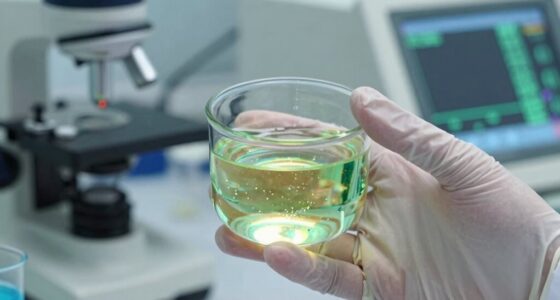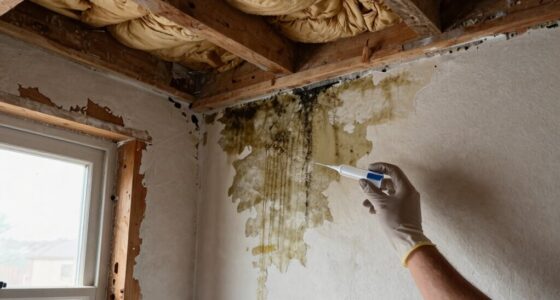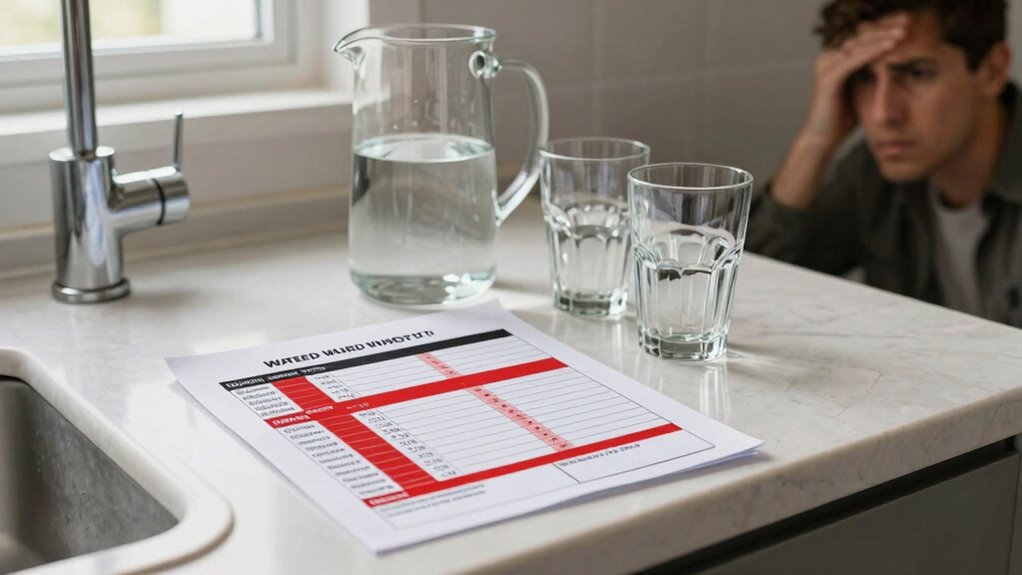
When coliform results come back positive, you need to immediately adjust your whole-house water treatment plan to guarantee safety. This means enhancing disinfection techniques, such as increasing chlorination or UV sterilization, and inspecting plumbing and well systems for cracks or contamination sources. You’ll also want to monitor water quality more closely and possibly upgrade filtration methods. Addressing these areas promptly helps prevent health risks. Keep exploring to discover more steps you can take to keep your water safe.
Key Takeaways
- Positive coliform results prompt review and enhancement of water treatment systems, such as increasing disinfection and upgrading filtration methods.
- They indicate the need for more frequent maintenance, including well disinfection and system inspections.
- Results guide targeted repairs of plumbing or well components to eliminate contamination sources.
- They influence ongoing water quality monitoring to verify the effectiveness of treatment adjustments.
- The findings help develop a comprehensive plan to ensure water safety and prevent future bacterial contamination.
If you’re concerned about your home’s water quality, understanding the whole-house plan and coliform test results is essential. These results give you a clear picture of the safety and cleanliness of your water supply, helping you determine if any action is needed. When coliform bacteria are detected, it signals potential contamination, and your whole-house water system needs to be re-evaluated to guarantee it remains safe for everyday use.
Coliform results can greatly influence your existing water treatment plan. If your test comes back positive for coliform bacteria, it indicates that your water might be contaminated with bacteria that could pose health risks. In response, you’ll want to review your current system maintenance routines and possibly upgrade or modify your filtration or disinfection methods. This might include installing or improving UV sterilizers, chlorination systems, or advanced filtration units. The goal is to eliminate bacteria and prevent future contamination, which means your entire approach to water quality needs to adapt based on test outcomes.
Positive coliform tests require system upgrades and enhanced disinfection to ensure safe, bacteria-free water.
When coliform bacteria are found, it’s imperative to consider not just the immediate treatment but also the underlying causes. Sometimes, the presence of bacteria points to issues like broken or cracked well casings, compromised pipes, or insufficient disinfection practices. These factors demand a thorough inspection of your whole-house plan, including the sanitary state of your plumbing and well system. Regular system maintenance becomes even more critical in these cases, as it helps identify vulnerabilities before they lead to ongoing contamination. Water safety is a fundamental aspect of a comprehensive water management approach, especially when contamination is detected. Ensuring proper sanitation and system integrity can prevent future issues and protect your water supply. Additionally, understanding the components of a water system can help you better identify potential weak points that need attention.
Adjusting your water treatment plan in response to coliform results also involves reassessing your maintenance schedule. You might need to increase the frequency of disinfecting your well or inspecting filters and UV systems to guarantee they’re functioning effectively. Monitoring water quality more closely after implementing these changes allows you to verify that your system is doing its job. It’s not just about installing new equipment; it’s about ongoing upkeep and vigilance to keep your water safe. Recognizing the importance of waterborne bacteria and their detection helps you take informed steps toward ensuring clean, safe water.
A thorough understanding of water testing methods can help you interpret results more accurately and respond appropriately. That’s the key to adapting your plan effectively and maintaining peace of mind about your water supply.

Express Water Whole House Water Filter System, Ultimate Protection, 3-Stage
- Whole House Water Filtration: 3-stage process for entire home
- Comprehensive Contaminant Reduction: Reduces chlorine, heavy metals, and scale
- Durable Deluxe Filter System: Includes stainless steel bracket and stand
As an affiliate, we earn on qualifying purchases.
As an affiliate, we earn on qualifying purchases.
Frequently Asked Questions
How Quickly Can Coliform Results Impact a Home’s Water Treatment Plan?
Coliform results can impact your water treatment plan immediately once testing is complete. If test results show coliform presence, you should act quickly, prioritizing testing urgency and making necessary treatment adjustments without delay. Swift action ensures your water stays safe, and you can prevent potential health risks. Regular testing and rapid response help maintain a safe water supply, giving you peace of mind in your home’s water quality.
What Are the Health Risks Associated With Coliform Contamination?
You might think coliform bacteria are harmless, but bacterial contamination poses real health risks. Water filtration becomes essential because ingesting these bacteria can cause gastrointestinal illnesses, diarrhea, or more severe infections. Even if coliforms aren’t always harmful themselves, their presence indicates potential pathogens, making it vital to address bacterial contamination promptly. Protect your family’s health by ensuring your water treatment system effectively filters out these bacteria and prevents illness.
Are There Specific Home Systems More Vulnerable to Coliform Bacteria?
Certain home systems, like your well and plumbing vulnerabilities, are more susceptible to coliform bacteria. If your well isn’t properly maintained, bacteria can easily enter and multiply. Plumbing systems with cracks or poor seals also provide entry points for contaminants. Regularly inspecting and maintaining your well, along with fixing plumbing vulnerabilities, helps prevent coliform contamination and keeps your water safe.
How Often Should Homeowners Test for Coliform Bacteria?
You should test for coliform bacteria at least once a year through water testing and bacteria monitoring. If your home has a well or uses untreated water, consider testing more frequently, such as every three to six months. Regular testing helps you catch contamination early, ensuring your water remains safe. Always follow local health guidelines and consult professionals if you detect any bacteria presence during your water testing routine.
Can Coliform Results Fluctuate Seasonally or Due to Environmental Factors?
Yes, coliform results can fluctuate seasonally and due to environmental influences. During warmer months or heavy rainfall, bacteria levels may increase because of runoff or contamination sources. Conversely, colder temperatures or dry conditions might reduce their presence. You should be aware that these environmental factors impact test results, so regular testing helps catch variations and guarantees your water remains safe year-round.

HQUA-TWS-12 Ultraviolet Water Purifier Filter for Whole House Water Purification,12GPM 120V, 1 Extra UV Lamp + 1 Extra Quartz Sleeve
- Flow Rate: 12GPM
- Power: 55W
- Dimensions: 21 inch long, 3.5 inch diameter
As an affiliate, we earn on qualifying purchases.
As an affiliate, we earn on qualifying purchases.
Conclusion
Just like a compass guides a ship through treacherous waters, coliform results steer your whole-house water plan. When these tests change, your entire approach shifts—prompting you to tighten safety measures or explore new solutions. Embrace these updates as an essential navigation tool, ensuring your home stays a safe harbor. Remember, staying vigilant with your water quality is the steady rudder that keeps your household afloat and protected.

Waterco 25500 Chlorinator, Waterking, Complete
- Product Name: Waterco 25500 Chlorinator, Waterking
As an affiliate, we earn on qualifying purchases.
As an affiliate, we earn on qualifying purchases.

Safe Home® DIY Bacteria in Water Test Kit – Results as Fast as 6 Hours – Detects 50 Different Species of Coliform Bacteria – EPA Lab Certified – Made in the USA – (1 Pack)
- Certified Accurate DIY Kit: Approved by Good Housekeeping, Red Cross, and Merck
- Detects 50 Bacteria Species: Includes E. coli, as low as 1 organism
- Fast Results in 6 Hours: Quick detection of bacteria in water
As an affiliate, we earn on qualifying purchases.
As an affiliate, we earn on qualifying purchases.