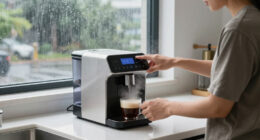
Smart water monitors rely on baseline data to accurately identify normal water usage and spot anomalies like leaks early. Without this data, false alarms increase, and you might miss real problems or waste water. Maintaining accurate, updated baseline data helps optimize your water system, save costs, and prevent damage. If you want to discover how to set up effective baselines and improve your water management, keep exploring this important topic.
Open a free Amazon Business account
Business pricing, bulk buying and tax-exempt orders.
As an affiliate, we earn on qualifying purchases.
Key Takeaways
- Baseline data establishes normal water usage patterns, enabling accurate detection of anomalies and leaks.
- It reduces false alarms by distinguishing between normal variations and actual issues.
- Accurate baseline data supports ongoing system calibration, ensuring long-term leak detection effectiveness.
- It provides insights into seasonal and usage trends, aiding efficient water management.
- Skipping baseline data increases the risk of missed leaks, property damage, and resource waste.
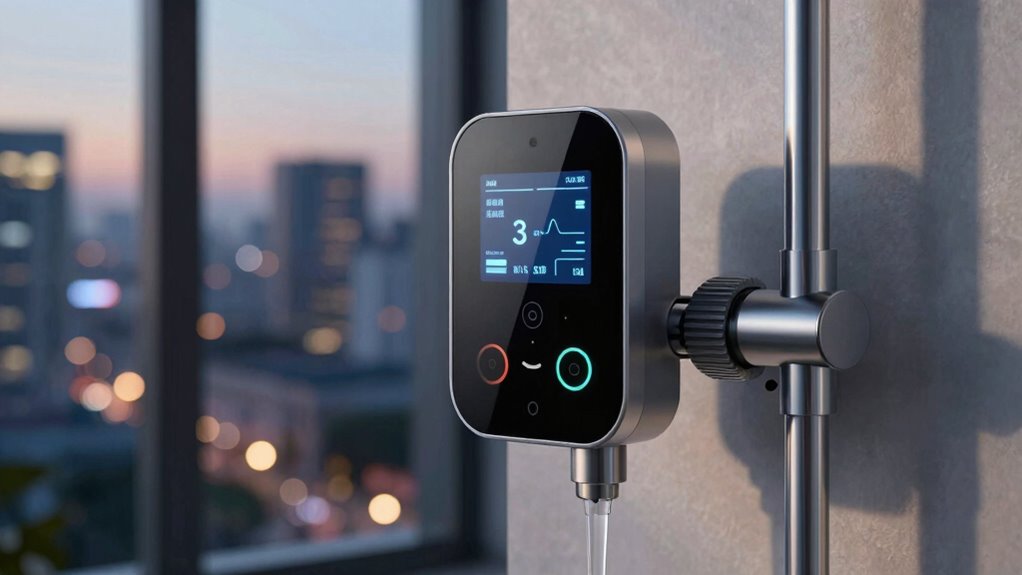
Before deploying smart water monitors, you need to establish baseline data to accurately assess changes and detect issues. This initial step is crucial because it provides a clear picture of what normal water usage looks like in your system. Without this, your smart water monitors might struggle to distinguish between regular fluctuations and genuine problems like leaks. When you set a solid baseline, you enhance leak detection capabilities, making it easier to spot even minor anomalies early. Accurate data is the backbone of effective monitoring, so the more precise your baseline, the better your system can identify issues without false alarms. Additionally, understanding water consumption patterns helps you optimize your water usage and identify areas for conservation. Establishing a baseline also helps you understand your water consumption patterns. You’ll learn when usage peaks and lows occur, which can inform better water management practices. Additionally, it enables your system to adapt to changes over time, like renovations or new appliances, by updating the baseline periodically. This adaptability ensures your leak detection remains sharp, and data accuracy stays intact, even as your water needs evolve. Proper calibration and validation processes—guided by data accuracy—are essential for maintaining reliable monitoring over time. Regularly reviewing and updating your baseline data can also help in identifying seasonal variations, ensuring your system remains effective throughout the year. By investing time upfront to gather comprehensive baseline data, you set your smart water system up for success. It’ll be more responsive, precise, and trustworthy, empowering you to act swiftly when issues arise.
In essence, baseline data isn’t just a starting point; it’s the foundation for effective water monitoring. It improves leak detection, enhances data accuracy, and ensures your smart water monitors serve you reliably. Skipping this step can lead to unnecessary alerts or, worse, missed leaks that cause damage and waste. Therefore, take the time to establish and regularly update your baseline data, so your smart water system can truly shine and protect your property efficiently.
smart water monitor with baseline setup
As an affiliate, we earn on qualifying purchases.
As an affiliate, we earn on qualifying purchases.
Frequently Asked Questions
How Often Should Baseline Data Be Collected for Accuracy?
You should collect baseline data regularly, ideally every few weeks or monthly, to guarantee accuracy. During this process, perform sensor calibration to maintain precision and data validation to verify consistency. Frequent collection helps identify any drift or anomalies early, so you can adjust your smart water monitor accordingly. Consistent baseline updates keep your readings reliable, giving you confidence in your water management decisions and securing your system operates at its best.
Can Baseline Data Change Over Time?
Yes, baseline data can change over time. Water quality fluctuates due to factors like weather, seasonal shifts, and human activities. These variations affect data consistency, so it’s essential to update your baseline regularly. By doing so, you guarantee your smart water monitor accurately detects deviations. Consistent baseline data helps you identify real issues quickly, maintaining effective water management and safeguarding your water system’s health.
What Are Common Sources for Establishing Baseline Data?
You gather baseline data from sources like sensor calibration records, ensuring your devices measure accurately, and through data validation, which confirms your readings are consistent over time. Visualize this as setting a standard, like zeroing a scale before weighing. Common sources include initial sensor readings, historical data, and manual measurements. These help you establish reliable benchmarks, so your smart water monitor can detect changes effectively and provide meaningful insights.
How Does Baseline Data Impact Water Conservation Efforts?
Baseline data impacts your water conservation efforts by providing an accurate picture of your typical water usage. When you have precise data, you can identify leaks or inefficient habits quickly. This improves data accuracy, allowing you to target specific areas for improvement. As a result, you’ll save water, reduce costs, and make smarter decisions about your water management. Accurate baseline data is essential for effective and sustained conservation efforts.
Are There Tools to Help Analyze Baseline Water Data?
Imagine a dashboard glowing with colorful charts—these are data visualization tools that help you analyze baseline water data effortlessly. You can use sensor calibration tools to fine-tune your smart water monitor, ensuring accurate readings. Data visualization makes patterns clear, highlighting areas for conservation. These tools empower you to interpret complex data quickly, making water management smarter and more effective, all while turning raw numbers into actionable insights.
As an affiliate, we earn on qualifying purchases.
Conclusion
Without baseline data, your smart water monitor is like a lighthouse without a steady beam—unable to guide you through the fog of unseen leaks or inefficiencies. It’s the map that shows you where the danger lies and where to focus your efforts. With good baseline data, your monitor becomes a vigilant guardian, illuminating the path to water efficiency and saving you from unseen trouble lurking in the shadows.
As an affiliate, we earn on qualifying purchases.
smart water sensor calibration kit
As an affiliate, we earn on qualifying purchases.
As an affiliate, we earn on qualifying purchases.
NFL season / tailgating Picks
team gear
As an affiliate, we earn on qualifying purchases.