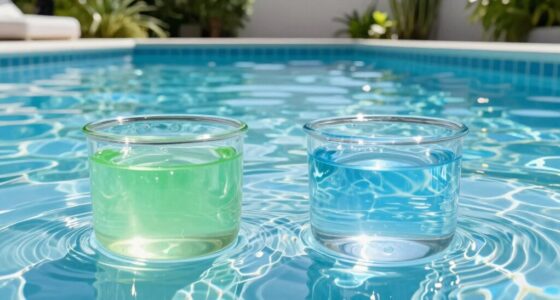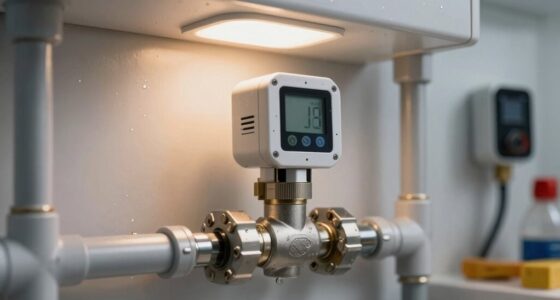

Understanding ORP and dissolved oxygen in raw water helps you assess water’s capacity for microbial growth and corrosion, which directly impacts your treatment process and infrastructure. High ORP indicates effective contaminant oxidation, while high dissolved oxygen can lead to biofouling and corrosion risks. Monitoring these parameters allows you to make proactive adjustments, saving costs and ensuring safe water delivery. Keep exploring to uncover how managing these factors can optimize your water treatment strategy.

Get home appliances delivered free with Prime
- Fast, free delivery on millions of items
- Prime Video, Amazon Music and more included
- Member-only deals all year
Key Takeaways
- Monitoring ORP and DO in raw water provides early indicators of water chemistry changes affecting treatment efficiency.
- These parameters help predict corrosion risks and microbial growth potential before treatment begins.
- Understanding raw water ORP and DO ensures appropriate treatment adjustments, reducing operational costs and infrastructure damage.
- They offer comprehensive insights into oxidation-reduction conditions, essential for effective microbial control.
- Proper measurement of raw water ORP and DO supports compliance with safety standards and prolongs treatment infrastructure lifespan.

Understanding the chemistry of raw water is essential because it directly influences the efficiency and safety of water treatment processes. When you pay attention to parameters like oxidation-reduction potential (ORP) and dissolved oxygen (DO), you gain critical insights into how the water will behave during treatment. These factors aren’t just numbers—they’re indicators of the water’s ability to support corrosion or microbial growth, which can compromise your entire system. Recognizing their importance helps you make informed decisions about treatment strategies, guaranteeing both longevity of infrastructure and safety of the water.
Monitoring raw water chemistry ensures safe, efficient treatment and protects infrastructure from corrosion and microbial risks.
ORP is a measure of the water’s ability to oxidize or reduce substances, acting as a quick indicator of its oxidative capacity. A high ORP suggests that the water can effectively oxidize contaminants, which is indispensable for microbial control. When microbial activity is suppressed, you reduce the risk of biofilm formation and bacterial proliferation, both of which can threaten water quality. Conversely, a low ORP indicates a more reduced environment, which can be conducive to corrosion. If you ignore this, metal pipes and equipment might deteriorate faster, leading to costly repairs and potential contamination. Monitoring ORP enables you to adjust treatment chemicals proactively, maintaining an environment that discourages microbial growth while preventing corrosion. Accurate measurement of ORP is essential for effective water treatment because it provides real-time feedback on the oxidative state of the water.
Dissolved oxygen plays a complementary role. High DO levels often indicate the water’s potential to support aerobic microbial activity, which can lead to biofouling and other operational issues. Maintaining ideal DO levels helps you control microbial populations more effectively. Additionally, oxygen can accelerate corrosion processes, especially in metal infrastructure. By understanding how much oxygen is present, you can implement strategies like deaeration or adding corrosion inhibitors to protect your pipes and equipment. Managing dissolved oxygen is indispensable not just for microbial control but also for corrosion prevention, which ultimately extends the lifespan of your water treatment infrastructure. oxygen transfer efficiency is a critical factor in ensuring accurate control of dissolved oxygen levels, impacting both microbial growth and corrosion. In raw water thinking, you can’t afford to overlook these parameters. They’re interconnected, influencing each other and your overall treatment plan. By continuously monitoring ORP and dissolved oxygen, you stay ahead of potential problems—whether that’s microbial contamination or corrosion-related damage. This proactive approach ensures your treatment processes stay efficient and your system remains durable. In summary, understanding and managing raw water chemistry through ORP and DO isn’t just about compliance; it’s about safeguarding your entire water treatment operation, reducing costs, and delivering safe, high-quality water every time.
As an affiliate, we earn on qualifying purchases.
Frequently Asked Questions
How Do ORP Levels Affect Raw Water Treatment Processes?
You see, ORP levels directly influence raw water treatment by affecting chemical reactions and microbial activity. Higher ORP indicates a strong oxidizing environment, which helps break down contaminants and control microbes. Low ORP can slow chemical reactions, allowing microbes to thrive and potentially cause issues later. By monitoring ORP, you guarantee effective disinfection, optimize treatment processes, and maintain water quality from the start.
What Are Ideal Dissolved Oxygen Levels for Raw Water Sources?
You should aim for dissolved oxygen levels between 6 and 8 mg/L in raw water sources to optimize water chemistry and control microbial activity. Higher oxygen levels help prevent anaerobic conditions that promote harmful bacteria and odors. Maintaining these levels guarantees effective treatment, reduces corrosion, and supports a healthier ecosystem. Monitoring and adjusting dissolved oxygen regularly keeps your raw water source balanced, making subsequent treatment processes more efficient and reliable.
How Can ORP and Dissolved Oxygen Be Measured Accurately in Raw Water?
You can measure ORP and dissolved oxygen accurately by collecting water samples carefully, guaranteeing minimal contamination. Use properly calibrated sensors, performing regular sensor calibration according to manufacturer instructions to maintain accuracy. Employ reliable portable meters or online sensors for real-time data, and follow standardized water sampling procedures—like keeping samples cool and testing promptly—to ensure your readings truly reflect the raw water’s conditions.
What Environmental Factors Influence ORP and Dissolved Oxygen in Raw Water?
Environmental factors like nutrient runoff and algal blooms profoundly influence ORP and dissolved oxygen in raw water. Nutrient runoff from agriculture fuels algae growth, leading to algal blooms that consume oxygen during decay, lowering dissolved oxygen levels. These blooms also alter ORP, making water more reducing. Additionally, temperature increases and organic matter presence can further impact oxygen and ORP levels, affecting water quality and treatment processes.
How Do Fluctuating Raw Water Qualities Impact ORP and Oxygen Management?
A changing raw water quality keeps you on your toes, as fluctuations directly impact ORP and dissolved oxygen levels. You must focus on microbial control and chemical interactions, which become unpredictable with variable water conditions. Like they say, “a chain is only as strong as its weakest link,” so managing these fluctuations guarantees proper oxygen levels and effective microbial control, preventing issues like corrosion or biofouling.
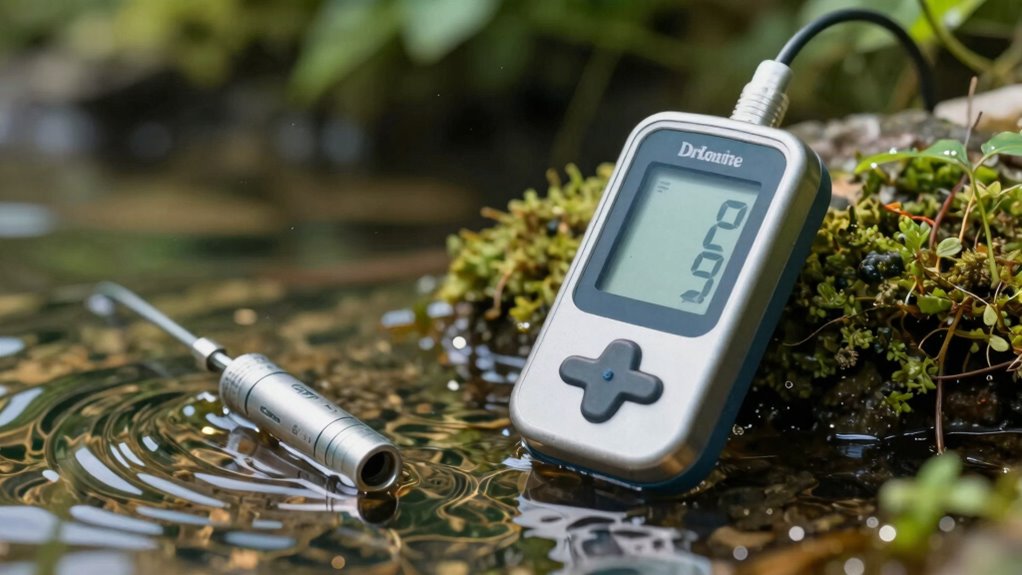
dissolved oxygen tester for water
As an affiliate, we earn on qualifying purchases.
As an affiliate, we earn on qualifying purchases.
Conclusion
So, next time you’re considering raw water, remember that a little extra attention to ORP and dissolved oxygen can be your secret allies. They quietly help you steer clear of potential issues and keep your water quality in check. By paying closer mind to these subtle signals, you’re gently guiding your system toward smoother, more reliable operation. Sometimes, it’s the quiet details that make all the difference, ensuring your water journey stays steady and strong.
water quality testing kit for raw water
As an affiliate, we earn on qualifying purchases.
As an affiliate, we earn on qualifying purchases.
As an affiliate, we earn on qualifying purchases.
Fall yard work Picks
leaf blowers
As an affiliate, we earn on qualifying purchases.