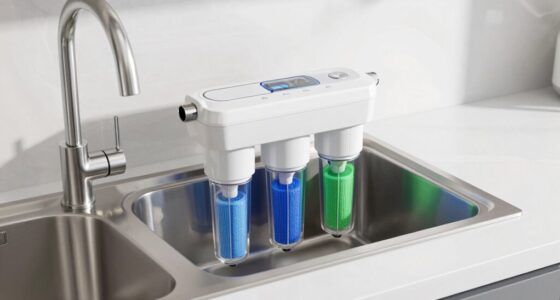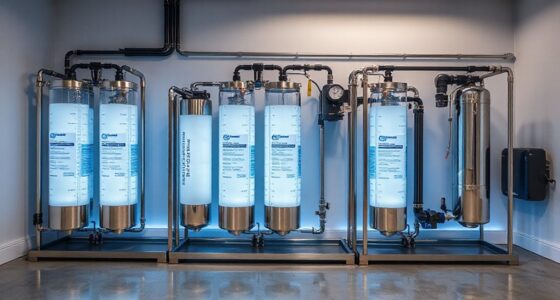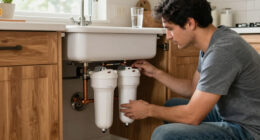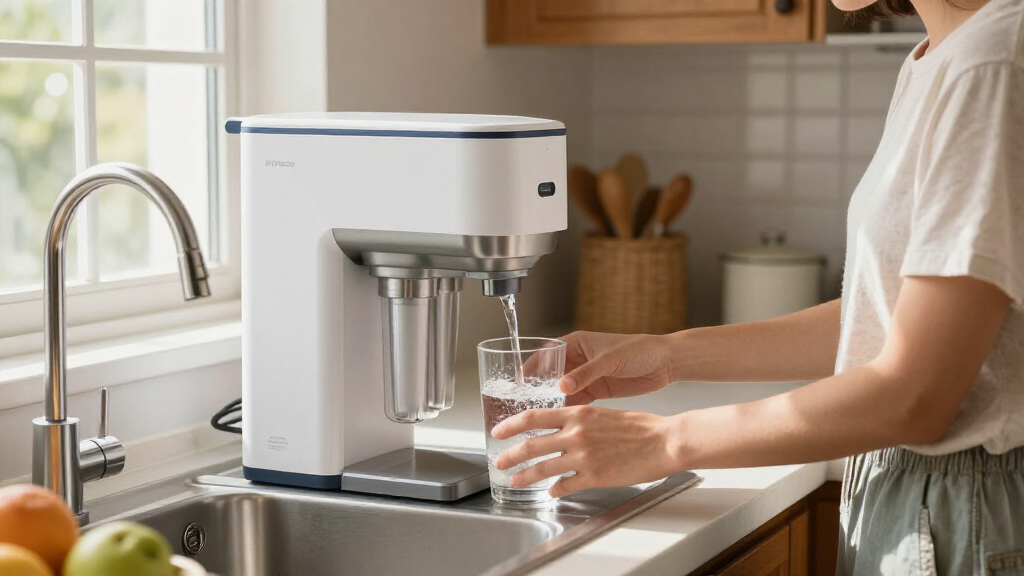

Choosing among water filtration systems for home comes down to one core tradeoff: coverage versus filtration precision. Whole-house systems like the 3-Stage 15 GPM Whole House Filter treat every tap but don’t remove dissolved contaminants, while reverse osmosis units like the Waterdrop G3P600 deliver near-pure drinking water at a single faucet. For gravity-fed simplicity without installation, the Purewell Ultra-Filtration Gravity Filter stands out as a low-cost entry point. My top overall pick balances flow rate, filter life, and value for most households. Read on for the full breakdown of all 15 systems, including who each one is right for.

Get home appliances delivered free with Prime
- Fast, free delivery on millions of items
- Prime Video, Amazon Music and more included
- Member-only deals all year
Complete the kit


Key Takeaways
- Whole-house systems dominated on convenience but none of the sediment/carbon models removed dissolved solids, viruses, or heavy metals at the RO level — the two categories solve different problems, and the top picks reflect that split.
- Filter replacement cost over five years varied more than purchase price: the A. O. Smith AO-WH-Filter (600K gallons) and ICEPURE 3-year under-sink filter offered the lowest cost per gallon, while the GE system’s 3-month filter cadence quietly made it one of the most expensive to own.
- Tankless RO systems (Waterdrop G3P600) justified their premium price with 600 GPD throughput and no storage tank, but countertop RO units (DREO, Bluevua) made more sense for renters who can’t plumb a system in.
- Systems bundled with extra filter sets (the 9-filter 3-stage whole-house models) effectively prepaid two to three years of maintenance, shifting the value math against cheaper bare-bones kits.
- Certification mattered for separation: NSF/ANSI 42 appeared across most picks, but only the RO systems and the Purewell‘s 0.01μm ultra-filtration membrane addressed fine contaminants — buyers chasing specific pollutants should match certification to contaminant, not brand claims.
| Whole House Water Filter System, 3-Stage Home Water Filtration, 15 GPM, Includes Extra Filters and Brass Ports | 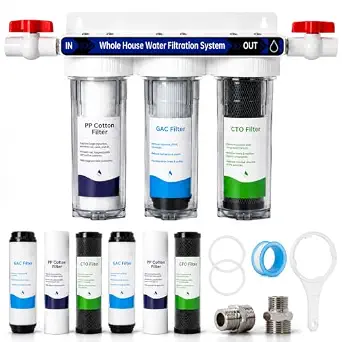 | Best Whole-House Starter Kit | Filtration Stages: 3 (PP, GAC, CTO) | Flow Rate: 15 GPM | Filter Micron Rating: 0.5 micron | VIEW LATEST PRICE | See Our Full Breakdown |
| Purewell 3-Stage 0.01μm Ultra-Filtration Gravity Water Filter System, NSF/ANSI 42 & 372 Certified, 2.25 Gallon, Stainless Steel Countertop |  | Best Non-Electric Countertop Option | Filter Pore Size: 0.01 microns | Capacity: 2.25 gallons | Material: 304 stainless steel, polypropylene | VIEW LATEST PRICE | See Our Full Breakdown |
| Waterdrop TSA 8-Layer Under Sink Water Filter System, NSF/ANSI 42 Certified |  | Best for Targeted Contaminant Reduction | Certification: NSF/ANSI 42 | Filtration Stages: 8 layers, coconut shell activated carbon | Flow Rate: Up to 1.5 GPM | VIEW LATEST PRICE | See Our Full Breakdown |
| 3-Stage Whole House Water Filter System, 0.5 Micron Filtration |  | Best Value Whole-House Bundle | Filtration Stages: 3 (PP, GAC, CTO) | Micron Rating: 0.5 micron | Flow Rate: 15 GPM | VIEW LATEST PRICE | See Our Full Breakdown |
| iSpring WGB21B 2-Stage Whole House Water Filtration System, 50,000 Gallon |  | Best Long-Legacy Brand Pick | Filtration Stages: 2 (sediment + CTO carbon) | Filtration Capacity: 50,000 gallons | Sediment Filter: 5-micron polypropylene | VIEW LATEST PRICE | See Our Full Breakdown |
| 3-Stage Whole House Water Filter System with 9 Filters, 0.5 Micron |  | Best Whole-House Starter Bundle | Filter Stages: 3 | Micron Rating: 0.5 | Filter Sets Included: 3 sets (9 filters total) | VIEW LATEST PRICE | See Our Full Breakdown |
| GE Whole House Water Filtration System (GXWH20T) |  | Most Trusted Brand Pick | Model: GXWH20T | Brand: GE | Type: Whole home filter | VIEW LATEST PRICE | See Our Full Breakdown |
| DREO Reverse Osmosis Water Filter Countertop System | 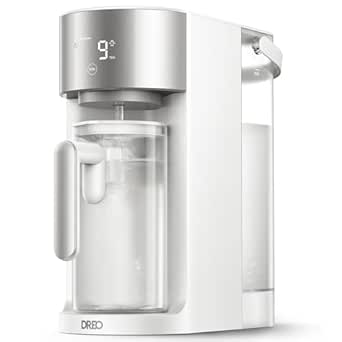 | Best Countertop RO for Small Spaces | Filtration Method: 7-stage Reverse Osmosis | Filter Life: 265 gallons (1000L) | Pure to Drain Ratio: 3:1 | VIEW LATEST PRICE | See Our Full Breakdown |
| iSpring RCC7AK-BN 6-Stage Reverse Osmosis System with Alkaline Remineralization |  | Best Under-Sink RO for Drinking Water Quality | Stages: 6 (RO + alkaline remineralization) | Capacity: 75 GPD (284 liters/day) | Certification: NSF/ANSI 58 | VIEW LATEST PRICE | See Our Full Breakdown |
| Waterdrop 10UA Under Sink Water Filter System | 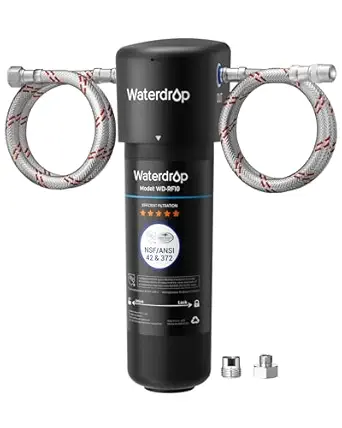 | Best Low-Maintenance Value Filter | Filter Life: 12 months / 11,000 gallons | Flow Rate: 1.33 GPM (max 2.5 GPM) | Filter Material: Coconut shell activated carbon | VIEW LATEST PRICE | See Our Full Breakdown |
| Whole House Water Filter System with 9 Filters, 0.5 Micron, 3-Stage |  | Best Whole House Starter Kit | Flow Rate: 15 GPM | Filtration: 3-stage, 0.5 micron | Filter Life: 6 months per set | VIEW LATEST PRICE | See Our Full Breakdown |
| Waterdrop G3P600 Reverse Osmosis System, 600 GPD Tankless RO Water Filter |  | Best High-Capacity RO | Filtration Stages: 8-stage reverse osmosis | Capacity: 600 gallons per day | Flow Rate: 0.42 GPM | VIEW LATEST PRICE | See Our Full Breakdown |
| A. O. Smith Whole House Water Filter System | 600K Gallons | AO-WH-Filter |  | Best Set-and-Forget Whole House | Capacity: 600,000 gallons | Filter Life: 6 years | Max Flow Rate: 7 GPM | VIEW LATEST PRICE | See Our Full Breakdown |
| ICEPURE Under Sink Water Filter System, NSF/ANSI 42 Certified, 3-Year/22,000 Gallon Capacity |  | Best Budget Under-Sink Pick | Filter Capacity: 22,000 gallons | Filter Life: 3 years | Flow Rate: 2.5 GPM | VIEW LATEST PRICE | See Our Full Breakdown |
| Bluevua RO100ROPOT Countertop Reverse Osmosis Water Filter System |  | Best No-Install RO | Filtration Stages: 6-stage RO with UV | Membrane Pore Size: 0.0001 μm | Remineralization: Yes | VIEW LATEST PRICE | See Our Full Breakdown |
| water filtration systems for home | Filter Life | Dimensions |
|---|---|---|
| Whole House Water Filter Syste | — | — |
| Purewell 3-Stage 0.01μm Ultra- | 6 months or 6,000 gallons | 8.9"L x 8.9"W x 20"H |
| Waterdrop TSA 8-Layer Under Si | — | — |
| 3-Stage Whole House Water Filt | — | — |
| iSpring WGB21B 2-Stage Whole H | Up to 12 months | — |
| 3-Stage Whole House Water Filt | 1.5–2 years | — |
| GE Whole House Water Filtratio | — | — |
| DREO Reverse Osmosis Water Fil | 265 gallons (1000L) | 14.5" L x 6.7" W x 13.4" H |
| iSpring RCC7AK-BN 6-Stage Reve | 6 months | 15.5" L x 16" W x 18" H |
| Waterdrop 10UA Under Sink Wate | 12 months / 11,000 gallons | 3.9" L x 3.6" W x 12.3" H |
| Whole House Water Filter Syste | 6 months per set | 14"L x 13"W x 10"H |
| Waterdrop G3P600 Reverse Osmos | — | 18.12"L x 5.67"W x 17.72"H |
| A. O. Smith Whole House Water | 6 years | 30.2"L x 9.5"W x 9.4"H |
| ICEPURE Under Sink Water Filte | 3 years | 6.81"L x 5.39"W x 15.55"H |
| Bluevua RO100ROPOT Countertop | 12 months | 10.9"L x 15.4"W x 14.3"H |
More Details on Our Top Picks
Whole House Water Filter System, 3-Stage Home Water Filtration, 15 GPM, Includes Extra Filters and Brass Ports
This option stands out for supplying everything upfront: nine filters (three each of PP, GAC, and CTO) plus brass ports, which means the first year or two of maintenance is already covered. Compared with the iSpring WGB21B, the extra third stage adds finer 0.5-micron polishing that improves taste and clarity beyond what a 2-stage setup manages. The 15 GPM flow rate keeps showers strong even when multiple taps run, and transparent housings make it obvious when a cartridge needs swapping. The tradeoff is that this is an entry-level housing system — it reduces chlorine, sediment, rust, and odor, but it does nothing for TDS, dissolved solids, or contaminants like PFAS. Buyers expecting bottled-water purity at every tap will need a drinking-water system downstream, such as the Waterdrop TSA under sink filter.
Pros:- Nine included filters cover roughly two years of typical maintenance
- 15 GPM flow rate supports simultaneous use across multiple taps
- Durable brass 3/4-inch ports resist cross-threading and leaks
- Transparent housings allow at-a-glance filter inspection
Cons:- No reduction of TDS, heavy dissolved minerals, or PFAS
- Installation requires basic plumbing skills and shutoff access
- Filter life varies widely depending on incoming water quality
Best for: Homeowners on city or well water who want whole-house sediment and chlorine reduction without buying replacement filters for a year or more
Not ideal for: Anyone with hard water, high TDS, or specific contaminant concerns like PFAS — this system doesn’t address dissolved solids
- Filtration Stages:3 (PP, GAC, CTO)
- Flow Rate:15 GPM
- Filter Micron Rating:0.5 micron
- Inlet/Outlet Ports:3/4″ NPT Brass
- Included Filters:9 filters (3 PP, 3 GAC, 3 CTO)
- Housing Material:Plastic with transparent housings
- Installation Type:Whole house
Our verdict“This pick makes the most sense for buyers who want a complete whole-house filtration package in one purchase rather than piecing together housings and cartridges separately.”
Purewell 3-Stage 0.01μm Ultra-Filtration Gravity Water Filter System, NSF/ANSI 42 & 372 Certified, 2.25 Gallon, Stainless Steel Countertop
Where every other whole-house or under-sink pick in this roundup depends on plumbing pressure, the Purewell works on gravity alone, filling a niche the DREO countertop RO system can’t touch — no electricity, no installation, no drilling. Its 0.01-micron ultra-filtration pores physically block bacteria and sediment while reducing chlorine and heavy metals, and the 304 stainless body feels far more durable than the plastic pitchers it competes with. The honest tradeoff is throughput and capacity: 2.25 gallons suits a couple or small family, but a household of five will refill it constantly. It also won’t lower TDS, so unlike the Bluevua RO100ROPOT, it isn’t the right tool for very hard or high-mineral source water. Filters last six months or 6,000 gallons, which is reasonable for the price class.
Pros:- No electricity or plumbing required — works anywhere including outdoors
- 0.01-micron ultra-filtration removes 99.99% of particles and bacteria
- NSF/ANSI 42 and 372 certified for performance and lead-free materials
- Durable 304 stainless steel construction outlasts plastic pitcher filters
Cons:- 2.25-gallon capacity is small for families
- Filter elements need replacement every 6 months or 6,000 gallons
- Does not reduce TDS, so unsuitable for very hard water
Best for: Renters, campers, and emergency-preparedness buyers who want certified drinking-water filtration with zero installation or power
Not ideal for: Large households or buyers with hard, high-TDS water — capacity is limited and dissolved minerals pass through
- Filter Pore Size:0.01 microns
- Capacity:2.25 gallons
- Material:304 stainless steel, polypropylene
- Filter Life:6 months or 6,000 gallons
- Certification:NSF/ANSI 42 & 372
- Dimensions:8.9″L x 8.9″W x 20″H
- Power Source:Non-electric (gravity)
- Max Supported TDS:500 PPM
Our verdict“This is the pick for buyers who value portability and independence from plumbing over sheer volume — think renters, cabins, and emergency kits.”
Waterdrop TSA 8-Layer Under Sink Water Filter System, NSF/ANSI 42 Certified
This model is better suited to buyers whose priority isn’t volume but what gets removed — it targets PFAS, PFOA/PFOS, fluoride, and chlorine, contaminant classes the whole-house systems like the B0H5Q74WTT 3-stage unit don’t address at all. Compared with the ICEPURE under sink filter, Waterdrop’s 8-layer carbon stack trades filter life (6–18 months versus ICEPURE’s 3 years) for broader chemical reduction, which is the right trade if your water report flags industrial contaminants. Installation is genuinely painless: push-to-connect fittings mean a sub-three-minute hookup with no wrench work. Two caveats shape the buying decision — it’s rated for municipal cold water only, so well owners need pre-filtration, and the fine carbon stages slow flow noticeably when filling large pots.
Pros:- Targets PFAS, PFOA/PFOS, fluoride, and chlorine beyond typical carbon filters
- Push-to-connect DIY installation takes under 3 minutes
- Retains beneficial minerals rather than stripping water completely
- 400 psi burst-pressure housing resists leaks and cracks
Cons:- Cold municipal water only — no hot water or untreated well water
- Flow rate drops as water passes through all 8 stages
- Filter replacements fall due every 6–18 months depending on model
Best for: City-water households concerned about PFAS, fluoride, or chlorine who want a dedicated drinking-and-cooking filter at one tap
Not ideal for: Well water users without pre-filtration, or anyone needing high flow for filling pots quickly — the fine filtration slows output
- Certification:NSF/ANSI 42
- Filtration Stages:8 layers, coconut shell activated carbon
- Flow Rate:Up to 1.5 GPM
- Filter Lifespan:6–18 months depending on filter
- Installation:DIY push-to-connect, under 3 minutes
- Maximum Pressure:400 psi burst pressure
- Water Type:Cold municipal water only
Our verdict“If your local water report lists PFAS or fluoride and you only need clean water at the kitchen sink, this is the focused, affordable answer.”
3-Stage Whole House Water Filter System, 0.5 Micron Filtration
Compared with the similar B0H5Q74WTT 3-stage system, this unit’s selling point is the complete accessory package: two spare filter sets, wrench, tape, faucet connectors, and valves, all in the box — which keeps the true cost of ownership low if you’re comfortable doing the install yourself. Filtration performance is comparable, with the same PP/GAC/CTO 0.5-micron stack removing chlorine, rust, and odor, and the crystal-clear housings make cartridge checks a five-second glance. The tradeoff is build feel: plastic housings and standard fittings rather than the brass ports found on the pricier competitor, so longevity under constant pressure is less certain. Buyers comparing this to the GE whole house system should note GE expects filter swaps every 3 months, while this system’s cartridges typically run 4–6 months.
Pros:- Two spare filter sets included, extending value well past installation
- Complete install kit — wrench, tape, connectors, and valves — avoids extra purchases
- See-through housings simplify maintenance checks
- 0.5-micron 3-stage filtration matches pricier rivals for taste and sediment
Cons:- Filters require replacement every 4–6 months
- Bulky footprint may not fit compact utility spaces
- Initial setup can be confusing for first-time installers
Best for: Budget-conscious DIY homeowners who want whole-house filtration with spare filters and installation hardware included at a lower price
Not ideal for: Buyers with tight install spaces or those wanting brass fittings and premium housing durability for long-term reliability
- Filtration Stages:3 (PP, GAC, CTO)
- Micron Rating:0.5 micron
- Flow Rate:15 GPM
- Included Accessories:2 spare filter sets, wrench, tape, faucet connectors, valves, manual
- Housing Material:Crystal-clear plastic
- Installation Type:Whole house
Our verdict“The smart choice for hands-on buyers who want a whole-house system that works out of the box without nickel-and-diming them on parts.”
iSpring WGB21B 2-Stage Whole House Water Filtration System, 50,000 Gallon
The iSpring WGB21B earns its spot through simplicity and proven track record — a 2-stage design with a 5-micron sediment filter and CTO carbon block, rated for up to 50,000 gallons or a full year between filter changes. That’s a meaningfully longer service interval than the B0FKBCPC69 3-stage system, whose cartridges need swapping every 4–6 months, making this the lower-maintenance choice for people who’d rather not think about their filters. It also preserves beneficial minerals, avoiding the flat taste that reverse-osmosis systems like the Waterdrop G3P600 produce. The honest tradeoff: dropping the third stage means slightly less polish on taste and odor, and like every carbon-based system here, it won’t reduce TDS or address fluoride. The 1-inch ports are generous for whole-home flow, and the included wrench and pressure-release valve simplify DIY changes.
Pros:- Up to 50,000 gallons or 12 months per filter set — longest interval in this lineup
- Established iSpring brand with wide replacement-filter availability
- Retains beneficial minerals for better-tasting water
- 1-inch ports support strong whole-home flow without pressure drops
Cons:- No TDS, fluoride, or dissolved-contaminant reduction
- Two stages polish less finely than competing 3-stage systems
- Only a 1-year warranty on the system
Best for: Homeowners who prioritize low-maintenance, brand-backed whole-house filtration with year-long filter intervals
Not ideal for: Buyers chasing maximum taste polish or contaminant-specific removal like fluoride and PFAS — the 2-stage design stops at sediment, chlorine, and odor
- Filtration Stages:2 (sediment + CTO carbon)
- Filtration Capacity:50,000 gallons
- Sediment Filter:5-micron polypropylene
- Carbon Filter:CTO carbon block (chlorine, taste, odor)
- Inlet/Outlet Size:1 inch
- Filter Life:Up to 12 months
- Warranty:1 year
Our verdict“This is the set-and-forget whole-house choice for buyers who value yearly maintenance cycles and a trusted brand over maximum filtration stages.”
3-Stage Whole House Water Filter System with 9 Filters, 0.5 Micron
This option stands out for value packaging: three complete filter sets in the box means roughly two years of maintenance-free filtration before another purchase. Compared with the GE GXWH20T, which requires a new filter every three months and doesn’t include one, the upfront cost here spreads over a much longer horizon. The 0.5-micron rating across PP, GAC, and CTO stages catches finer sediment than most two-stage rivals like the iSpring WGB21B. The built-in shut-off valves make filter swaps a one-person job without draining the system. The tradeoff is scope: this removes sediment, chlorine, and odors only, leaving TDS and minerals untouched, so anyone with hard water or dissolved contaminants will still need downstream treatment. It also assumes standard 3/4-inch plumbing, which won’t suit every home.
Pros:- Three complete filter sets included for up to 2 years of use
- 0.5-micron filtration catches finer particles than typical 2-stage systems
- Built-in shut-off valves simplify DIY filter changes
- Compact footprint fits utility rooms or under-sink placement
Cons:- Does not reduce TDS, so dissolved minerals remain in the water
- Limited to sediment, chlorine, and odor — no heavy metal or fluoride reduction
- Requires standard 3/4-inch plumbing connections
Best for: Homeowners on municipal water who want whole-house chlorine and sediment reduction with minimal ongoing purchases
Not ideal for: Buyers dealing with hard water, heavy metals, or dissolved solids — this system doesn’t address TDS at all
- Filter Stages:3
- Micron Rating:0.5
- Filter Sets Included:3 sets (9 filters total)
- Filter Types:PP, GAC, CTO
- Filter Life:1.5–2 years
- Plumbing Compatibility:3/4 inch
- Shut-Off Valves:Yes
Our verdict“The smartest pick for whole-house coverage when you want years of filtration bundled into one purchase rather than quarterly trips for replacements.”
GE Whole House Water Filtration System (GXWH20T)
GE’s name carries real weight here — brand-name reliability and widely available replacement filters matter when a whole-house system sits at your main water line. The clear sump lets you visually confirm when the filter is dirty, and the bypass valve means filter changes don’t require shutting off water to the whole house — a convenience the 3-Stage 0.5 Micron system matches but many budget rivals skip. Compared with the 3-stage bundle, though, running costs are the weakness: filters need replacement every three months, and one isn’t even included in the box. Where the three-stage system gives you two years of filters upfront, GE’s approach trades higher long-term cost for easier-to-source parts and a single-stage design that’s simpler to maintain. Some plumbing familiarity helps during installation.
Pros:- Bypass valve allows filter changes without shutting off household water
- Clear sump housing makes filter condition visible at a glance
- Installation kit and accessories included in the box
- GE replacement filters are widely stocked at retail
Cons:- Filter requires replacement every 3 months, adding recurring cost
- Filter not included — an extra purchase before first use
- Installation may demand basic plumbing skills
Best for: Buyers who prioritize a recognized brand and easy-to-find replacement filters over lowest long-term cost
Not ideal for: Low-maintenance shoppers — quarterly filter swaps and a separate filter purchase from day one add up in cost and effort
- Model:GXWH20T
- Brand:GE
- Type:Whole home filter
- Included Components:Filtration housing, install kit
- Compatible Filters:FXWTC, FXUSC, FXWPC, FXWSC
- Filter Replacement Interval:Every 3 months
- UPC:084691905615
Our verdict“Choose this if brand support and parts availability outweigh the higher maintenance cadence of single-stage whole-house filtration.”
DREO Reverse Osmosis Water Filter Countertop System
For renters or anyone unwilling to plumb in an RO system, the DREO makes reverse osmososis nearly plug-and-play. Its 7-stage filtration removes 99.9% of chlorine, fluoride, PFOA, and PFOS — contaminant classes that carbon-only systems like the Waterdrop 10UA simply can’t touch. The real-time TDS display gives visible proof of performance, something the under-sink iSpring RCC7AK lacks, and the 3:1 pure-to-drain ratio is far more water-efficient than traditional RO. Auto-fill and self-cleaning reduce daily fuss. The compromises are real: capacity suits only 1–2 people, it needs both counter space and an outlet, and the 265-gallon filter life means replacement cycles arrive quickly for heavy drinkers. Compared with the Bluevua RO100ROPOT, the DREO’s slimmer 6.7-inch depth is the deciding factor for cramped counters.
Pros:- Removes 99.9% of contaminants including fluoride, PFOA, and PFOS
- Real-time TDS monitoring confirms filtration performance
- 3:1 pure-to-drain ratio wastes far less water than conventional RO
- Slim 6.7-inch footprint fits tight countertops
Cons:- Capacity only supports 1–2 people
- Requires countertop space and an electrical outlet
- Filter replacement needed after 265 gallons
Best for: Renters and solo dwellers or couples who want true reverse osmosis without any installation
Not ideal for: Families of three or more — the 3-liter tank and 265-gallon filter life can’t keep up with high demand
- Filtration Method:7-stage Reverse Osmosis
- Filter Life:265 gallons (1000L)
- Pure to Drain Ratio:3:1
- Tank Capacity:3 liters
- Dimensions:14.5″ L x 6.7″ W x 13.4″ H
- Weight:9.5 lbs
- Features:TDS meter, auto-fill, self-cleaning, filter indicator
Our verdict“The most practical zero-install RO option for small households that want verified contaminant removal at the push of a button.”
iSpring RCC7AK-BN 6-Stage Reverse Osmosis System with Alkaline Remineralization
This model solves RO’s oldest complaint: flat, acidic water. The sixth-stage alkaline remineralization cartridge adds back minerals and balances pH, producing drinking water that tastes closer to premium bottled water than what the DREO countertop delivers. NSF/ANSI 58 certification provides third-party validation of contaminant reduction, and the transparent housing lets you monitor filters visually. Compared with the Waterdrop G3P600 tankless system, the iSpring’s no-power design means simpler installation and nothing to fail electronically — but you sacrifice tankless convenience and fast flow. Filters need changing every six months, and the 15.5 x 18-inch footprint demands real under-sink real estate, so small cabinet owners should measure first. For pure drinking-water quality at a moderate price, this remains the benchmark under-sink RO pick.
Pros:- Remineralization stage restores minerals and balances pH after RO filtration
- NSF/ANSI 58 certified for verified contaminant reduction
- No electricity required for operation
- Transparent filter housing enables visual monitoring
Cons:- Filter replacements required every 6 months
- Bulky multi-housing design consumes under-sink space
- Lacks the smart features and faster flow of tankless powered rivals
Best for: Homeowners who want maximum drinking-water purity with balanced pH and mineral taste from an under-sink system
Not ideal for: Tight under-sink cabinets — the multi-stage layout and storage tank demand significant space
- Stages:6 (RO + alkaline remineralization)
- Capacity:75 GPD (284 liters/day)
- Certification:NSF/ANSI 58
- Filter Life:6 months
- Installation:Under sink
- Power Source:None required
- Dimensions:15.5″ L x 16″ W x 18″ H
- Max Input TDS:750 ppm
Our verdict“The best choice when taste and mineral content matter as much as purity — ideal for dedicated drinking-water duty under the kitchen sink.”
Waterdrop 10UA Under Sink Water Filter System
When the goal is simply better-tasting tap water with minimal fuss, this Waterdrop is hard to beat on economics. The coconut-shell carbon filter runs a full 12 months or 11,000 gallons between changes — four times the GE whole-house system’s replacement cadence — and twist-and-lock fittings make installation a genuine 15-minute job. Its 1.33 GPM flow rate preserves normal faucet pressure, unlike RO systems such as the iSpring RCC7AK that slow water to a trickle without a tank. The catch is scope: NSF/ANSI 42 certification covers chlorine, taste, and odor only. There’s no fluoride, PFOA, or dissolved-solid reduction here, and it’s rated strictly for cold municipal water — well owners need something like the Purewell gravity system instead. As a set-and-forget upgrade for city tap water, the value case is strong.
Pros:- 12-month, 11,000-gallon filter life keeps maintenance minimal
- 1.33 GPM flow rate maintains full faucet pressure
- Twist-and-lock fittings enable quick DIY installation
- NSF/ANSI 42 & 372 certified materials
Cons:- Only suitable for cold municipal tap water
- No reduction of fluoride, heavy dissolved solids, or PFAS
- Periodic filter replacement still required
Best for: City-water households wanting chlorine-free, great-tasting water with only one filter change per year
Not ideal for: Well water users or anyone needing contaminant removal beyond chlorine, taste, and odor — this is a carbon filter, not purification
- Filter Life:12 months / 11,000 gallons
- Flow Rate:1.33 GPM (max 2.5 GPM)
- Filter Material:Coconut shell activated carbon
- Certification:NSF/ANSI 42 & 372
- Installation:Under sink
- Dimensions:3.9″ L x 3.6″ W x 12.3″ H
- Weight:1.31 kg (2.9 lbs)
- Water Source:Cold municipal water only
Our verdict“The best cost-per-gallon choice for municipal water users whose priority is taste and chlorine removal rather than full purification.”
Whole House Water Filter System with 9 Filters, 0.5 Micron, 3-Stage
This option stands out for value through sheer filter quantity — nine replacement cartridges in the box means roughly two years of coverage before another purchase, something the A. O. Smith system matches in longevity but at a far higher upfront commitment per stage. With 0.5-micron filtration at 15 GPM, it handles chlorine, sediment, rust, and odor across an entire house without noticeably restricting shower pressure. The transparent housings are a genuinely useful touch: you can see when a cartridge is clogging instead of guessing on a calendar. The tradeoff is honesty about what it does — it does not reduce TDS, so well-water buyers with hardness or dissolved solids issues will still need additional treatment. Compared with the single-stage A. O. Smith unit, this 3-stage setup catches finer particles but demands filter changes every 6 months and takes up more wall space.
Pros:- Nine included filters cover up to 2 years of use
- 15 GPM flow rate supports whole-house demand without pressure loss
- Transparent housing makes filter condition visible at a glance
- Works with both well and city water sources
Cons:- Does not reduce TDS or address hardness
- Filter replacements required every 6 months
- Bulky footprint for tight utility closets
Best for: Homeowners on municipal or mild well water who want whole-house taste and sediment improvement with replacements covered upfront
Not ideal for: Buyers with hard water or high TDS — this system improves taste and feel but leaves dissolved minerals untouched
- Flow Rate:15 GPM
- Filtration:3-stage, 0.5 micron
- Filter Life:6 months per set
- Capacity:10,000 gallons
- Water Sources:Well & city water
- Dimensions:14″L x 13″W x 10″H
- Includes:Housing, 9 filters, wrench, fittings, manual
Our verdict“This pick makes the most sense for homeowners who want set-it-and-forget-it whole-house filtration without buying replacement cartridges again for two years.”
Waterdrop G3P600 Reverse Osmosis System, 600 GPD Tankless RO Water Filter
For serious drinking-water quality at scale, this model is the workhorse of the RO picks. At 600 gallons per day, it out-produces the Bluevua countertop unit several times over and fills a glass in seconds rather than the slow trickle typical of tankless competitors. The 8-stage filtration plus a smart faucet displaying real-time TDS means buyers actually see water quality, not just trust it. Its 2:1 drain ratio also wastes far less water than traditional RO systems like the iSpring RCC7AK, which matters on utility bills. The compromises are real, though: it needs an under-sink electrical outlet, installation is more involved than the plug-and-play ICEPURE, and its 18-inch height simply will not fit behind some shallow sink cabinets. Measuring your cabinet before ordering is non-negotiable here.
Pros:- 600 GPD capacity delivers near-instant filling
- Smart faucet displays real-time water quality and filter life
- 2:1 drain ratio wastes far less water than conventional RO
- Tankless design frees up cabinet space and simplifies filter swaps
Cons:- Requires electricity under the sink
- Complex installation compared with carbon-based systems
- Too tall for shallow or cramped sink cabinets
Best for: Large households that drink and cook with RO water daily and want fast filling without a storage tank
Not ideal for: Renters or anyone without an under-sink power outlet — the corded design rules out many older cabinets
- Filtration Stages:8-stage reverse osmosis
- Capacity:600 gallons per day
- Flow Rate:0.42 GPM
- Drain Ratio:2:1
- Dimensions:18.12″L x 5.67″W x 17.72″H
- Max TDS Supported:1500 ppm
- Filter Changes:Quick-change, 3 seconds
Our verdict“This is the right choice for families who consume a lot of purified water and can accommodate the electrical and cabinet requirements.”
A. O. Smith Whole House Water Filter System | 600K Gallons | AO-WH-Filter
If the idea of swapping filters twice a year sounds like a chore, this is the antidote. A 6-year, 600,000-gallon filter life means most owners will replace it once or twice over a mortgage, compared with the every-6-month cadence of the 3-stage whole house system elsewhere in this lineup. It removes 96.9% of chlorine taste and odor for every tap in the house — showers included, which is where most people notice chlorine anyway — with zero wastewater, a contrast to the drain-heavy Waterdrop RO. The catch is scope: it targets chlorine only. Sediment, sulfur, iron, and TDS pass through untouched, so households with rusty or sulfur-smelling water should step up to a multi-stage system instead. Fiberglass housing and a 7 GPM flow rate keep it simple, durable, and genuinely DIY-friendly.
Pros:- 6-year or 600,000-gallon filter life all but eliminates maintenance
- Reduces 96.9% of chlorine taste and odor at every tap
- No wastewater or back flushing required
- DIY-friendly installation with included parts
Cons:- Filters chlorine only — no sediment, iron, sulfur, or TDS reduction
- 7 GPM flow may bottleneck large homes running multiple fixtures
- Needs basic tools and some plumbing comfort to install
Best for: Homeowners on city water whose main complaint is chlorine taste and smell, and who want minimal maintenance
Not ideal for: Well-water users with sediment, iron, or sulfur problems — this single-stage system simply does not address those
- Capacity:600,000 gallons
- Filter Life:6 years
- Max Flow Rate:7 GPM
- Installation:Whole house
- Housing Material:Fiberglass
- Operating Pressure:20–100 psi
- Dimensions:30.2″L x 9.5″W x 9.4″H
Our verdict“This makes the most sense for chlorinated city-water homes that want one install and years of forget-about-it filtration.”
ICEPURE Under Sink Water Filter System, NSF/ANSI 42 Certified, 3-Year/22,000 Gallon Capacity
This is the straightforward, no-drama entry point for anyone wanting better-tasting water at one tap. Unlike the Waterdrop G3P600, there is no electricity, no drain line, no drilling — just a carbon filter teed into the cold line, producing 2.5 GPM, which is fast enough that you will not notice it is there. The 3-year, 22,000-gallon filter life beats the Waterdrop 10UA’s one-year cartridge handily on cost per gallon, and NSF/ANSI 42 & 372 certification means the chlorine and heavy-metal reduction claims are third-party verified rather than marketing copy. The honest limitation: it is not reverse osmosis. Dissolved solids, fluoride, and pharmaceuticals largely pass through, so buyers with genuine contamination concerns should pay more for the G3P600 instead. Note the cold-line-only restriction and the fixed 1/2″ or 3/8″ connection sizes before ordering.
Pros:- 22,000-gallon / 3-year filter life keeps running costs very low
- 2.5 GPM flow rate preserves full tap pressure
- NSF/ANSI 42 & 372 certified performance claims
- Tool-light installation with quick filter changes
Cons:- Cold water line only
- Fits just 1/2″ or 3/8″ connections
- No dedicated faucet or accessories included
Best for: Budget-conscious renters and homeowners who want certified chlorine and heavy-metal reduction at a single kitchen tap
Not ideal for: Households needing contaminant removal beyond chlorine and metals — this carbon system is not a substitute for RO
- Filter Capacity:22,000 gallons
- Filter Life:3 years
- Flow Rate:2.5 GPM
- Filtration Rating:0.5 micron coconut shell carbon
- Certifications:NSF/ANSI 42 & 372
- Connections:1/2″ or 3/8″ female NPT
- Dimensions:6.81″L x 5.39″W x 15.55″H
Our verdict“This is the smart buy for anyone who wants certified taste improvement at one tap for pennies per gallon without plumbing projects.”
Bluevua RO100ROPOT Countertop Reverse Osmosis Water Filter System
For buyers who want reverse osmosis without touching a wrench, this countertop unit fills a niche the under-sink systems cannot: no plumbing, no drilling, no landlord permission. Compared with the Waterdrop G3P600, flow is modest — 0.26 liters per minute means a carafe fills at a patient pace — but the payoff is 6-stage filtration with UV sterilization and remineralization, putting healthy minerals back into water that most RO systems strip out, the iSpring RCC7AK being the only comparable option in this lineup. The borosilicate glass carafe is a thoughtful detail, avoiding the plastic aftertaste and secondary contamination of typical reservoirs. Tradeoffs to weigh: it occupies serious counter real estate at over 15 inches deep, needs a wall outlet, and filters run out every 12 months. It is a drinking-water appliance, not a whole-house solution.
Pros:- True reverse osmosis with no plumbing or installation required
- UV light plus remineralization for clean, better-tasting water
- Glass carafe avoids plastic contact and secondary contamination
- Water- and power-saving modes trim operating costs
Cons:- Slow dispensing at 0.26 L/min
- Takes up substantial countertop space
- Filters need replacement roughly every 12 months
Best for: Renters, RV owners, and anyone who wants mineral-rich RO drinking water with zero installation
Not ideal for: Small kitchens with limited counter space — this unit is large, and a single carafe at a time limits throughput for big families
- Filtration Stages:6-stage RO with UV
- Membrane Pore Size:0.0001 μm
- Remineralization:Yes
- Installation:Countertop, no plumbing
- Carafe:Borosilicate glass, 1700 ml
- Filter Life:12 months
- Certifications:WQA, NSF/ANSI/CAN 372, SGS
- Dimensions:10.9″L x 15.4″W x 14.3″H
Our verdict“This pick makes the most sense for renters and small households who want full RO quality without permanently modifying their kitchen.”
How We Picked
I evaluated these 15 systems against five buyer-relevant criteria: filtration performance (micron rating, certifications, and what the system actually removes), capacity and flow rate (how many gallons before replacement and whether the system keeps up with household demand), installation and maintenance burden (DIY-friendliness, filter change frequency, and ongoing cost per gallon), build quality (port materials, housing durability, warranty), and value over time rather than sticker price alone. Because a whole-house sediment filter and an under-sink RO system serve completely different jobs, I grouped the lineup into three categories — whole-house, point-of-use, and reverse osmosis — and ranked within each before assembling the overall list.
The ranking logic favors systems that solve their intended problem well at a fair lifetime cost. A cheap system with a 3-month filter cadence ranked below a pricier one with 50,000+ gallon capacity. Likewise, systems with NSF/ANSI certification placed above uncertified competitors making similar claims, because third-party verification is the only way to trust contaminant-reduction numbers. Products bundled with spare filters earned a value bump, since they delay the first real maintenance expense.
Factors to Consider When Choosing Water Filtration Systems For Home
Before picking a specific model, it helps to understand the structural decisions that shape this category. Get these right and the product choice becomes much easier.Point of Entry vs. Point of Use
The single biggest decision is where you filter. Point-of-entry (whole-house) systems install on the main water line and protect appliances, fixtures, and showers from sediment and chlorine — but their filtration is comparatively coarse. Point-of-use systems (under-sink or countertop) deliver much finer filtration at a single tap, which is where you actually drink and cook. A common mistake is buying a whole-house system expecting bottled-water purity; no sediment/carbon whole-house filter will remove dissolved solids, lead in all cases, or viruses. Many households end up running both: whole-house for scale and chlorine, plus an RO or ultra-filtration unit for drinking water. If you can only afford one, ask whether your problem is water quality everywhere (stained fixtures, appliance scale, chlorine showers) or just at the kitchen sink.
Match the Filter to Your Actual Contaminant
Filtration marketing is full of vague claims like “removes impurities.” What matters is the mechanism-to-contaminant match: sediment filters catch particulates, carbon handles chlorine taste and odor, 0.01μm ultra-filtration membranes block bacteria and cysts, and reverse osmosis membranes remove dissolved solids, lead, fluoride, and more. A buyer worried about lead from old pipes gets little help from a basic carbon whole-house system, while someone with merely bad-tasting municipal water wastes money on a 6-stage RO unit. The right move is to get a water test — many county extensions do it cheaply — before spending anything. Buy the certification that matches your problem, not the longest feature list.
Total Cost of Ownership, Not Sticker Price
The price gap between systems shrinks or inverts once you calculate filter replacements over three to five years. A whole-house system requiring filter changes every three months can cost more annually than a system double its price with 50,000-gallon cartridges. Under-sink filters range from six-month to three-year lifespans, a five-fold difference in maintenance cost for similar filtration. RO systems add another expense layer: membrane replacements and, for tankless models, annual filter sets that can run $100–200. When comparing, divide the filter cost by rated gallons to get a cost-per-gallon figure — that single number exposes which “deals” aren’t. Also check whether replacement filters are proprietary or widely available, because a discontinued filter format renders a system disposable.
Flow Rate and Household Demand
Whole-house systems are rated in gallons per minute, and undersizing here causes noticeable pressure drops when two fixtures run at once. A 15 GPM system comfortably handles a family household with simultaneous shower, dishwasher, and laundry use; smaller systems can struggle during peak demand. Tankless RO systems flip the concern: a 600 GPD rating means fast tank refills and no storage tank, but a 75 GPD unit with a storage tank fills a pitcher quickly yet can frustrate a household that drains the tank at once. Check your peak household usage against the rated flow before buying, and remember that finer filtration (especially RO) always trades some speed for purity.
Installation Reality Check
Installation cost and difficulty vary more in this category than almost any other. Whole-house systems require cutting into the main water line, which means a plumber, a shutoff, and often a bypass valve — add $150–400 if you’re not comfortable with pipe work. Under-sink systems are usually a one-hour DIY job with push-fit fittings. Countertop RO and gravity systems need no installation at all, which is why they dominate for renters. A frequent mistake is budgeting only for the unit: factor in a professional install, fittings, and any leaks during the learning curve. Also confirm your under-sink space actually fits the system — tankless RO units save space, but traditional tank-based systems need a full cabinet.
Remineralization and Taste
Reverse osmosis produces very pure water, and that purity strips out beneficial minerals like calcium and magnesium, leaving some people describing the taste as “flat.” Several systems in this lineup — notably those with alkaline remineralization stages — add minerals back at the final stage, which raises pH and improves taste for most drinkers. If you’ll drink the water straight, this feature is worth paying for; if you mostly use RO water for cooking, coffee, or appliances, it matters less. Remineralization cartridges are also consumables with their own replacement schedule, so weigh that against the taste benefit. Non-RO buyers can ignore this entirely — carbon and ultra-filtration systems leave minerals in place naturally.
Frequently Asked Questions
Do I need a whole-house system or is an under-sink filter enough?
It depends on what you’re trying to fix. If your concern is drinking and cooking water, an under-sink or RO system handles it at a fraction of the cost and installation effort of a whole-house unit. Whole-house systems earn their price when you have problems affecting the entire home: sediment damaging appliances, chlorine in showers, rust staining fixtures, or hard water scaling. Many households run both — a basic whole-house sediment/carbon setup plus a drinking-water system at the sink — which covers every use case. If budget forces a choice, prioritize the drinking water system first, since that’s what you ingest.
Is reverse osmosis overkill for city water?
For most municipal water supplies that meet safety standards, a basic carbon or ultra-filtration system covers taste and chlorine adequately, and RO is a luxury rather than a need. RO becomes worth it when your water report shows dissolved contaminants carbon can’t touch: lead from aging service lines, fluoride, nitrates, arsenic, high TDS, or pharmaceutical residues. It’s also the right call for immunocompromised household members, since RO membranes reject viruses and bacteria that pass carbon filters. The downsides — wastewater, slower production, and stripped minerals — are real but manageable with modern tankless designs and remineralization stages. Check your annual water quality report before deciding; it names exactly which contaminants your system needs to address.
How much should I budget for filter replacements each year?
Expect anywhere from $40 to $300 annually depending on system type, and this is the number that should drive your purchase decision more than the unit price. Whole-house sediment/carbon systems typically run $80–200 per year in cartridges, though high-capacity models stretch that down considerably — a 600,000-gallon system can go years on one cartridge. Under-sink systems range from about $30 (three-year cartridge) to $100+ (six-month proprietary filters) per year. Tankless RO systems carry the highest upkeep, often $150–300 annually across multiple staged filters plus the membrane every two years. Before buying, look up the exact replacement cartridge prices and lifespans and do the math — the cheapest systems to buy are frequently the most expensive to own.
Are countertop filtration systems actually effective, or just convenient?
The best countertop systems are genuinely effective — the countertop reverse osmosis units in this lineup use the same membrane technology as plumbed-in systems, just packaged with an internal pump and tank. They remove the same contaminant range and are ideal for renters, RV owners, or anyone who can’t modify plumbing. Gravity-fed countertop filters are the weaker option: their 0.01μm ultra-filtration membranes handle bacteria, cysts, and chlorine well, but they can’t remove dissolved solids the way RO does. The tradeoffs are countertop space, smaller capacity, and per-gallon cost that runs higher than installed systems. Treat countertop units as effective filtration with a convenience premium, not a compromise on purification for RO models.
What does NSF/ANSI certification actually tell me?
NSF/ANSI certification means an independent lab verified the manufacturer’s claims — and the specific standard number tells you exactly what was verified. NSF/ANSI 42 covers aesthetic effects: chlorine, taste, odor, and particulates. NSF/ANSI 53 covers health-related contaminants like lead, cysts, and VOCs — if lead removal is your concern, this is the certification you need, and 42 alone won’t cut it. NSF/ANSI 372 verifies lead-free materials, and NSF/ANSI 58 applies to reverse osmosis systems specifically. A product claiming “NSF-certified components” is not the same as a certified system, a distinction manufacturers sometimes blur. When comparing systems, match the standard to your contaminant: a 42-only system cannot promise lead or bacteria reduction regardless of marketing language.
Conclusion
After comparing all 15 systems, the right choice maps cleanly to buyer type. For best overall, the Waterdrop G3P600 tankless RO system delivers the best combination of filtration thoroughness, speed, and modern convenience for the water you actually drink. The 3-Stage 15 GPM Whole House System with extra filters and brass ports takes best value for whole-home coverage, pairing durable fittings with prepaid maintenance. For best premium pick, the iSpring RCC7AK-BN 6-stage RO with alkaline remineralization justifies its price for buyers who want RO purity without the flat taste. Best for beginners goes to the Purewell Gravity Water Filter — no installation, no plumbing, certified filtration, and a low entry price. Renters and small-space dwellers should look at the DREO or Bluevua countertop RO systems, while the A. O. Smith 600K-gallon whole-house filter and ICEPURE 3-year under-sink filter win on total cost of ownership for long-term owners. Whatever you choose, get your water tested first — the best system is the one matched to your actual contaminants, not the longest spec sheet.
NFL season / tailgating Picks
team gear
As an affiliate, we earn on qualifying purchases.