If your filtered water still has sediment, you should upgrade your filtration system by adding multi-stage and micron-rated filters designed for fine particles. Regularly check and replace filters to prevent clogging, and consider using layered filters—coarse followed by fine—to trap more debris. Also, test your source water for contamination that might require additional treatment like shock chlorination or specialized filters. Exploring these options can help you achieve clearer, sediment-free water—discover more effective solutions ahead.
Key Takeaways
- Install a multi-stage or layered filtration system with micron-rated filters to capture finer sediments.
- Regularly replace or clean filters to prevent clogging and ensure optimal sediment removal.
- Conduct water tests to identify source contamination and adjust filtration methods accordingly.
- Use a sediment pre-filter or physical barrier before main filters to trap larger particles effectively.
- Consider upgrading to whole-house filtration or adding HEPA filters for persistent or fine sediment issues.
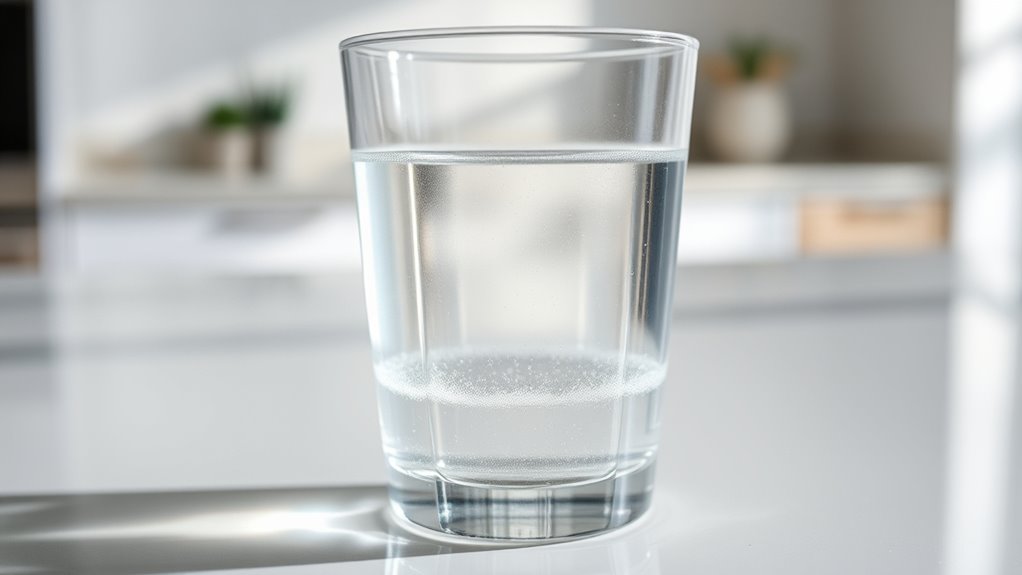
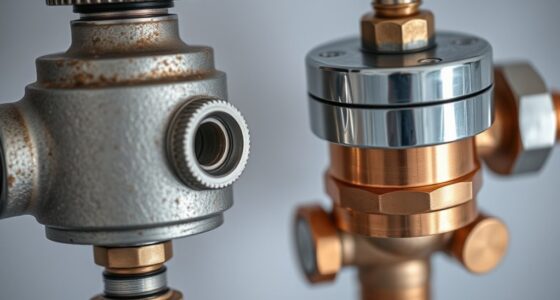
Have you ever filtered your water only to find sediments still lingering? It’s frustrating, especially after investing time and effort into making your water cleaner and safer. Sediment causes can vary widely, but common culprits include rust from old pipes, dirt and sand from well sources, or mineral deposits that settle in your water supply. When these particles slip through your filtration system, it’s clear your current setup isn’t fully doing the job. That’s when it’s time to evaluate your filtration techniques and make adjustments to ensure you’re getting clearer, sediment-free water.
Filtered water still contains sediments? Upgrade your filtration system for cleaner, clearer water.
The first step is understanding why sediments persist despite filtering. Some filtration techniques are simply not designed to capture the smallest particles, especially if your sediment causes are heavy or fine. For example, basic activated carbon filters excel at removing chemicals and odors but often fall short when it comes to tiny sediments. In such cases, upgrading your filter to include a multi-stage system makes a significant difference. A sediment filter specifically designed to trap larger particles can be added before your main filter, acting as a physical barrier that prevents sediments from reaching your other filtration devices. These filters often use graded layers of porous material to trap particles efficiently.
When choosing filtration techniques, consider a multi-stage approach. First, use a coarse sediment filter to catch larger debris like dirt, sand, or rust particles. Follow this with a finer filter, such as a micron-rated cartridge, to trap smaller sediments. This layered approach not only improves water clarity but also prolongs the lifespan of your main filters by reducing clogging. Regular maintenance is essential—change filters as recommended by the manufacturer to prevent buildup that can allow sediments to bypass the system. If sediments continue to slip through, it might signal that your source water is particularly contaminated or that your current filtration system isn’t suitable for the sediment causes at hand. Incorporating HEPA filtration can also help capture fine particles and improve overall water quality.
In some cases, you might need to look beyond standard filters. If rust from old pipes is a persistent problem, consider installing a whole-house filtration system with a dedicated rust and sediment filter. For well water, shock chlorination or a professional water test can identify contamination sources and help you tailor your filtration setup. Remember, no single filtration technique is foolproof; combining different methods and maintaining your equipment regularly offers the best defense against sediment issues. By understanding sediment causes and upgrading your filtration techniques accordingly, you’ll enjoy cleaner, clearer water that truly meets your standards.
Frequently Asked Questions
Can Sediment in Filtered Water Cause Health Issues?
Yes, sediment in filtered water can cause health risks because it may contain harmful contaminants that weren’t fully removed. Consuming water with sediment exposes you to bacteria, metals, or other pollutants, increasing health risks over time. To guarantee safe drinking water, you need proper filtration systems that effectively remove sediment and contaminants, protecting your health and preventing potential illnesses. Regular maintenance and testing help keep your water pure and safe.
How Often Should I Replace My Water Filter?
You should replace your water filter every 6 to 12 months, depending on usage and water quality. Regular filter maintenance is essential for sediment prevention, ensuring your filtered water stays clean and safe. Check your filter manufacturer’s guidelines and monitor water flow; a decline indicates it’s time for a replacement. Consistent maintenance helps prevent sediment buildup and maintains peak filtration performance, so don’t ignore those signs.
Are There Specific Filters Better at Removing Sediment?
Imagine your water as a clear mountain stream—some filters excel at capturing every tiny sediment particle. When it comes to filter types, sediment filters with finer micron ratings or activated carbon filters are best for sediment removal. These specialized filters trap particles more effectively, ensuring your water stays clean and clear. So, choose filters designed explicitly for sediment removal to prevent those stubborn particles from slipping through.
What Are Signs My Filtration System Is Failing?
If your filtration system is failing, you’ll notice signs like decreased water flow, persistent sediment, or bad odors, indicating filter maintenance is needed. You might also see sediment sources still entering your water despite filtering. Regularly check and replace filters, especially when you see sediment buildup or flow reduction. Staying on top of filter maintenance guarantees your system functions correctly and keeps sediment out of your water supply.
Is Sediment in Water Harmful to Plumbing?
Sediment in water can cause significant plumbing damage, as it can clog pipes and appliances. Studies show that 85% of home plumbing issues are linked to water quality problems. When sediment enters your system, it contributes to buildup and corrosion, leading to leaks or blockages. To protect your plumbing, consider installing a sediment filter, and regularly maintain your system to prevent costly repairs down the line.
Conclusion
So, after all that filtering, you’re still stuck with sediment—talk about a perfect paradox! Sometimes, the solution isn’t just about the filter but about rethinking your entire approach. Ironically, the very device meant to purify might need a little purification itself—like a good cleaning or upgrade. Don’t give up; instead, see this as a reminder that even the simplest fixes can be the trickiest. Keep at it—you’re closer than you think!