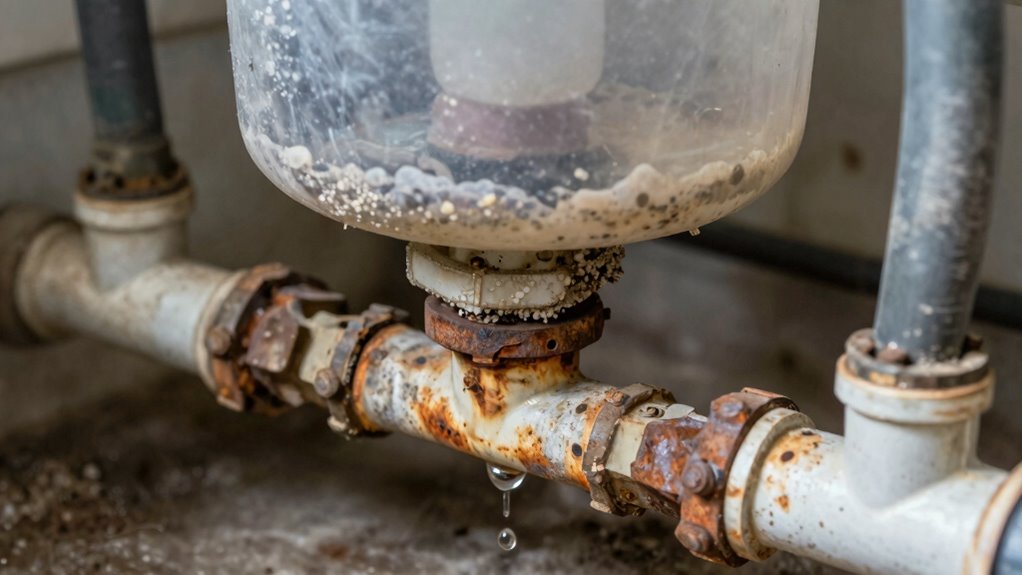

Many issues you think are softener problems are actually plumbing faults. Water flow disruptions, such as blockages, frozen pipes, or incorrect installation, can make your softener seem ineffective. Plumbing restrictions and leaks can also cause poor regeneration and salt waste. These issues prevent water from passing properly or hinder the softener’s ability to work efficiently. If you want to understand how plumbing impacts softener performance and how to fix it, keep exploring these common causes.

Get home appliances delivered free with Prime
- Fast, free delivery on millions of items
- Prime Video, Amazon Music and more included
- Member-only deals all year
Key Takeaways
- Water hardness fluctuations can cause softener performance issues mistaken for malfunctions.
- Plumbing restrictions or blockages can hinder water flow, affecting softener operation.
- Incorrect installation or calibration may appear as softener failure but are plumbing-related issues.
- Leaks or improper plumbing connections can lead to inefficient salt use and softening problems.
- Inconsistent water flow due to plumbing problems often mimics softener malfunctions.
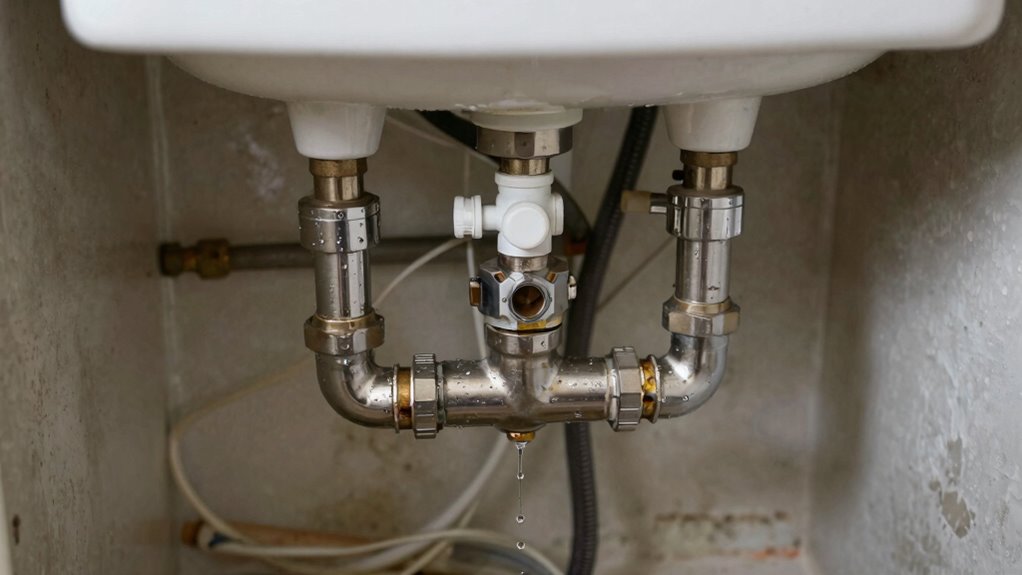
When you notice issues with your water softener, it’s easy to assume the problem is with the unit itself. You might think the softener isn’t working properly or that it needs repairs. However, many complaints about softener performance stem from plumbing issues rather than the softener’s functionality. Understanding this distinction can save you time and money. Often, what appears to be a softener problem is actually related to water hardness levels or how well your plumbing system allows the unit to operate efficiently.
Many water softener issues are caused by plumbing problems, not the unit itself.
For example, if your water feels still hard or the softening process seems ineffective, it could be due to water hardness fluctuations that your softener isn’t equipped to handle. Water hardness can vary depending on the source, and if your softener isn’t properly calibrated or if your plumbing restricts flow, it won’t remove minerals effectively. This leads you to believe the softener is malfunctioning, but the real issue is that your plumbing isn’t allowing the unit to process water properly. In these cases, addressing the plumbing setup—such as removing any blockages or ensuring correct installation—can improve water softening.
Salt efficiency is another common point of confusion. If you notice high salt usage or your softener is not regenerating as expected, it might not be the softener’s fault. Sometimes, the problem lies in the plumbing connections that hinder proper brine flow or drain cycles. Inadequate flow can prevent the softener from regenerating fully, reducing salt efficiency and leaving you with hard water. Checking the plumbing lines for leaks, clogs, or incorrect installation can often resolve these issues. It’s also worth verifying that the bypass valves are in the correct position, as a misadjusted valve can cause untreated water to bypass the softener or disrupt salt usage.
Additionally, if your softener’s brine tank isn’t filling properly or if you notice inconsistent water softening, plumbing problems might be at play. For instance, a clogged or frozen inlet valve can restrict water flow, making it seem like the softener is failing. Regularly inspecting and maintaining your plumbing system helps ensure that water can flow freely through the softener and that it can perform at peak efficiency. Sometimes, what appears to be a softener defect is a plumbing issue that’s easily fixed. Ensuring proper plumbing setup can significantly impact the softener’s performance and longevity. Proper plumbing maintenance and understanding how water flow impacts softener operation are essential for troubleshooting effectively. Recognizing the importance of water flow can help prevent many common softener issues before they become costly repairs.
As an affiliate, we earn on qualifying purchases.
Frequently Asked Questions
How Can I Tell if My Softener Issue Is Plumbing-Related?
To tell if your softener issue is plumbing-related, check your water pressure first. If it’s low or fluctuates, plumbing might be the cause. Also, inspect for pipe corrosion or leaks around the softener unit. Corroded pipes can mimic softener problems by restricting flow or causing sediment build-up. If these signs are present, it’s likely a plumbing issue, not just the softener, and addressing the plumbing can restore proper function.
What Plumbing Components Affect Water Softener Performance?
Your water pressure and pipe corrosion directly affect your water softener’s performance. Low water pressure can prevent enough hard water from flowing through the system, reducing its effectiveness. Corroded pipes can introduce debris or restrict flow, causing issues with softening. Regularly check your water pressure and inspect pipes for corrosion. Ensuring proper flow and clean pipes helps your softener work efficiently and prevents unnecessary complaints.
Can Plumbing Leaks Mimic Softener Problems?
Yes, plumbing leaks can mimic softener problems. Leaks often cause inconsistent water pressure, making your softener seem ineffective, and pipe corrosion can lead to similar issues with water flow and quality. These problems may cause your softener to work harder or cycle improperly, leading you to believe it’s malfunctioning when, in fact, the underlying issue is a leak or corrosion in your plumbing system. Always check for leaks and corrosion first.
How Often Should Plumbing Inspections Be for Softener Maintenance?
You should schedule plumbing inspections for softener maintenance at least once a year. During inspections, check water pressure to guarantee proper flow and look for signs of pipe corrosion, which can affect softener performance. Regular inspections help catch issues early, prevent leaks, and maintain water quality. If you notice reduced water pressure or corrosion signs, consider more frequent checks to keep your softener and plumbing system in ideal condition.
What Signs Indicate Plumbing Issues Versus Softener Malfunctions?
Imagine noticing your water pressure drops unexpectedly, and you see minor pipe corrosion around your softener. These signs often point to plumbing issues rather than softener malfunctions. If your softener isn’t regenerating properly but water pressure remains steady, it’s likely a softener problem. However, fluctuating water pressure and visible pipe corrosion suggest plumbing issues that need inspection. Always check for these signs to identify the root cause accurately.
As an affiliate, we earn on qualifying purchases.
Conclusion
So, next time you notice a softener issue, consider whether it’s actually a plumbing problem in disguise. Sometimes, what seems like a softener malfunction is just a plumbing hiccup—like clogged pipes or incorrect installation—that’s impacting performance. Think of your softener as a part of a bigger plumbing system; if one piece isn’t working right, the whole system suffers. By properly diagnosing, you’ll save time, money, and avoid unnecessary softener replacement.
water softener inlet and outlet filters
As an affiliate, we earn on qualifying purchases.
As an affiliate, we earn on qualifying purchases.
As an affiliate, we earn on qualifying purchases.
Columbus Day / Indigenous Peoples' Day Picks
long weekend sales
As an affiliate, we earn on qualifying purchases.