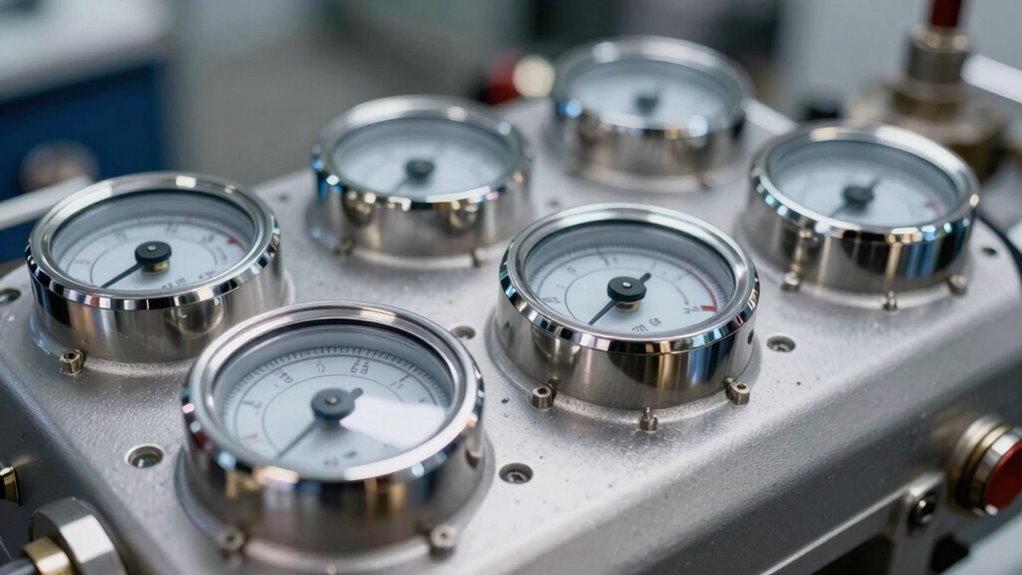

To make your manifold smarter, focus on proper gauge placement by positioning sensors and gauges in your natural line of sight, avoiding vibrations, extreme temps, and tight wiring bends. Use vibration-dampening mounts for durability and guarantee sensors are calibrated correctly for accurate readings. Secure everything to prevent wear and damage while maintaining neat wiring. If you keep these tips in mind, you’ll enhance accuracy, safety, and overall performance—discover more ways to optimize your setup ahead.

Get home appliances delivered free — and shop member deals
- Fast, free delivery on millions of items
- Access to Prime Big Deal Days deals on October 6–7
- Prime Video, Amazon Music and more included
Key Takeaways
- Position gauges within the rider’s natural line of sight for quick, distraction-free monitoring.
- Use vibration-dampening mounts to protect sensors and ensure stable readings over time.
- Properly calibrate sensors before installation for accurate manifold data collection.
- Align sensors precisely with the manifold’s measurement points to prevent inaccuracies.
- Regularly inspect and secure gauges to maintain optimal performance and data reliability.
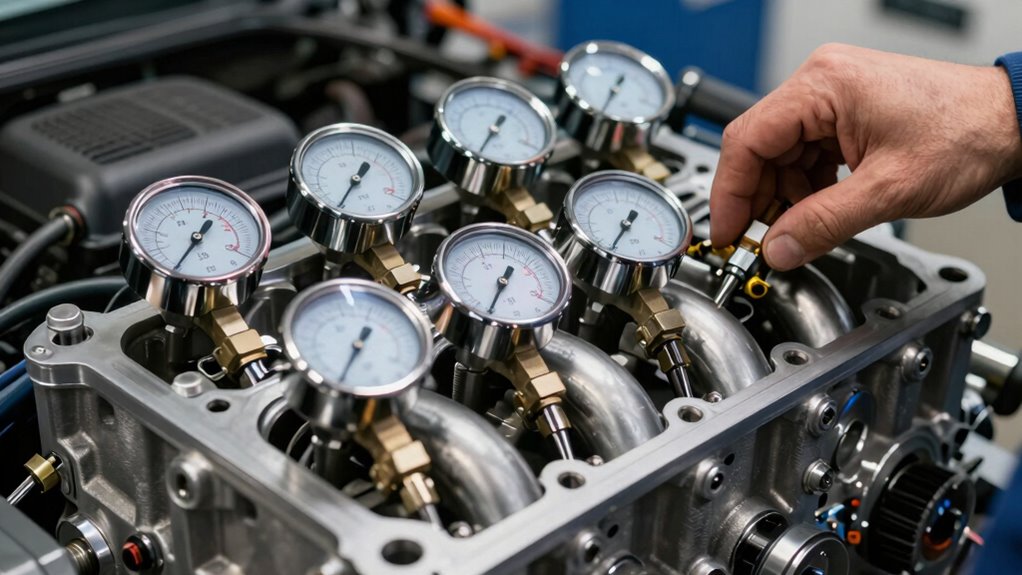
If you’ve ever struggled with reading your gauges clearly while riding, there’s a simple trick that can make a big difference. Proper gauge placement can drastically improve visibility and safety, especially when you’re relying on real-time data to make split-second decisions. One key to achieving this is understanding how sensor accuracy and installation techniques work together to optimize your setup. When gauges are positioned correctly, you get more reliable readings, making it easier to monitor your bike’s performance without distraction or guesswork. Ensuring that your sensors are correctly calibrated is crucial for obtaining trustworthy data, as even the best placement won’t compensate for inaccurate measurements. Sensor accuracy plays an essential role in this process. If your sensors are not correctly calibrated or have poor quality components, even perfect placement won’t give you trustworthy data. Make sure you’re using high-quality sensors designed for your specific manifold and that they’re properly calibrated before installation. This way, you minimize errors caused by faulty sensors, which can lead to misreading critical information like pressure, temperature, or fluid levels. Remember, even the most precisely placed gauge is only as good as the sensor behind it. Additionally, proper installation techniques can help maximize the longevity and accuracy of your sensors and gauges. When mounting gauges, you want to avoid vibrations, extreme temperatures, and exposure to elements that could damage your sensors or skew readings. Use vibration-dampening mounts or brackets that absorb shocks and keep your gauges steady. Position the gauges where your line of sight is natural and unobstructed—ideally, directly in front of your usual riding stance. When installing, ensure that wiring is neat, secure, and free from tight bends or pinch points to prevent wear or accidental disconnections. Proper wiring techniques also help avoid electrical interference, which can distort readings and reduce sensor accuracy. Another aspect of installation is ensuring that the sensors are correctly aligned with the manifold’s measurement points. Misalignment can lead to inaccurate data, which defeats the purpose of high-quality sensors. Following manufacturer instructions carefully, paying attention to torque specifications and connector placements, is essential to ensure proper sensor alignment. Using the right tools and techniques during installation guarantees that sensors sit flush against the manifold, preventing leaks or false readings. Regularly inspecting your gauges and sensors, especially after installation or adjustment, helps catch issues early and maintain consistent accuracy. Paying attention to sensor placement ensures optimal performance and reliable data collection. Properly securing these components with vibration-dampening mounts can significantly extend their lifespan and accuracy.
vibration dampening gauge mounts for motorcycles
As an affiliate, we earn on qualifying purchases.
As an affiliate, we earn on qualifying purchases.
Frequently Asked Questions
How Does Gauge Placement Affect Manifold Efficiency?
Gauge placement directly impacts manifold efficiency by maximizing pressure monitoring and sensor calibration. When you position gauges correctly, you get accurate readings, which helps you identify issues quickly and maintain ideal flow. Proper placement ensures sensors detect pressure changes early, reducing the risk of system inefficiencies or failures. This strategic setup makes your manifold smarter, allowing for better control, quicker troubleshooting, and improved overall performance.
What Tools Are Needed for Precise Gauge Positioning?
Imagine you’re a modern-day engineer in the 21st century, equipped with precise tools. To position gauges accurately, you’ll need a digital caliper or a precision screwdriver for fine adjustments, along with a level for proper alignment. Use your installation techniques to guarantee consistent placement, and follow calibration procedures to verify accuracy. These tools and steps help you achieve ideal gauge positioning, boosting manifold efficiency and making your setup smarter and more reliable.
Can Gauge Placement Tricks Prevent System Leaks?
Yes, proper gauge placement tricks can help prevent system leaks. By accurately positioning gauges, you guarantee precise sensor calibration, which improves leak detection. When gauges are correctly placed, it’s easier to monitor pressure changes and identify leaks early. This proactive approach minimizes risks and maintains system integrity, saving you time and money. Proper placement, combined with regular checks, enhances overall system performance and avoids costly repairs caused by undetected leaks.
Are There Safety Risks Associated With Gauge Placement?
You face safety risks with gauge placement if calibration accuracy isn’t maintained. For example, placing gauges too close to high-pressure points can cause leaks or bursts. Always follow safety protocols, such as securing gauges properly and checking for leaks regularly. Proper placement minimizes risks, but neglecting calibration accuracy or safety steps could lead to dangerous failures. Stay vigilant to guarantee both system integrity and your safety.
How Often Should Gauges Be Recalibrated After Placement?
You should recalibrate gauges regularly, typically every 6 to 12 months, depending on your maintenance schedule and manufacturer recommendations. Keep an eye on calibration intervals, especially if you notice inconsistent readings or after any repairs or impacts. Regular calibration guarantees accurate measurements, which is essential for safety and efficiency. Incorporate calibration checks into your routine maintenance schedule to maintain ideal gauge performance and reliability over time.
As an affiliate, we earn on qualifying purchases.
Conclusion
Now that you’ve mastered the gauge placement trick, your manifolds are like well-tuned symphonies, humming perfectly in harmony. It’s as if you’ve deciphered a secret code, turning a simple setup into a smart, responsive system. With this little trick up your sleeve, you’re not just maintaining your manifold—you’re giving it a brain, making it smarter and more efficient. So go ahead, let your ingenuity shine and watch your system thrive like a garden in full bloom.
motorcycle gauge calibration tools
As an affiliate, we earn on qualifying purchases.
As an affiliate, we earn on qualifying purchases.
As an affiliate, we earn on qualifying purchases.
NFL season / tailgating Picks
team gear
As an affiliate, we earn on qualifying purchases.