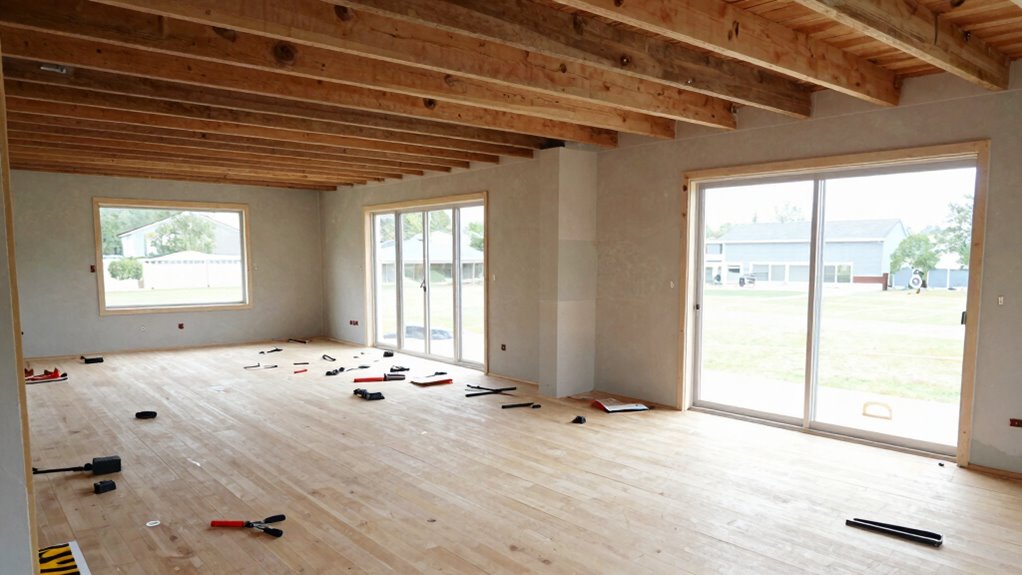

The most common mistake new owners make is planning the entire house all at once without considering energy efficiency or future modifications. This approach can lead to costly mistakes, mismatched designs, and overlooked opportunities for sustainable features. It often results in higher utility bills and less comfort over time. To avoid this, you should think about energy-efficient design principles from the start. Keep going to discover how to make smarter, long-term choices for your home.

Get home appliances delivered free — and shop member deals
- Fast, free delivery on millions of items
- Access to Prime Big Deal Days deals on October 6–7
- Prime Video, Amazon Music and more included
Key Takeaways
- Planning the entire house at once without considering future modifications or flexibility.
- Overlooking energy-efficient design features during initial planning stages.
- Focusing solely on aesthetics or expansion, neglecting long-term operational costs.
- Failing to integrate sustainable building practices and energy-saving systems early.
- Ignoring the importance of consulting specialists for optimal energy performance and efficiency.
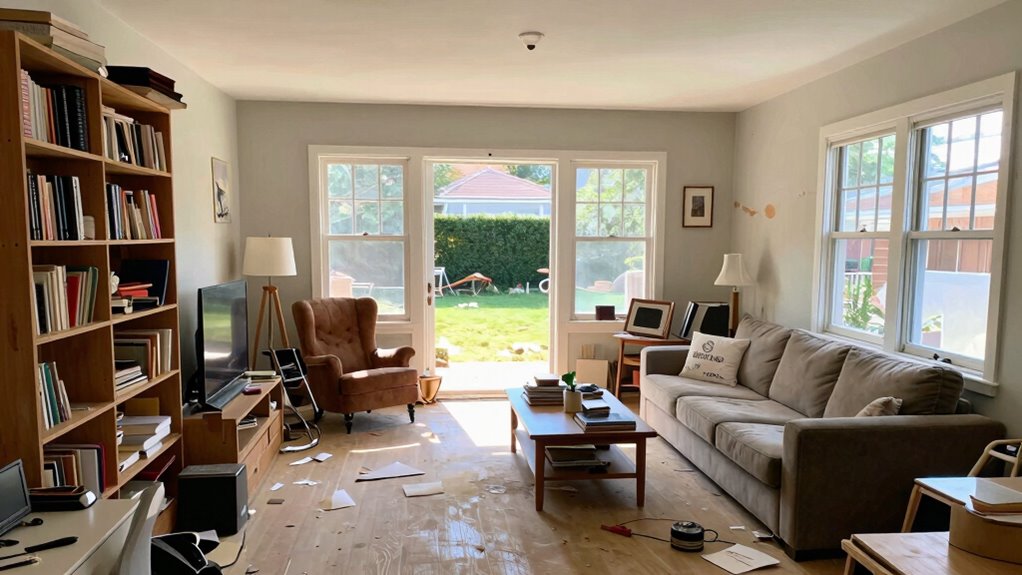
Planning your entire house all at once might seem like the best way to guarantee everything fits perfectly, but it often leads to costly mistakes. One of the most common errors new owners make is overlooking the importance of energy efficiency during the initial planning stages. When you focus solely on aesthetics or expanding your living space, you might neglect to incorporate energy-efficient designs or appliances. This oversight can result in higher utility bills for years to come and can also impact your comfort levels. For example, choosing windows, insulation, and HVAC systems without considering their energy performance can lead to significant inefficiencies. You might end up spending more on heating and cooling than necessary, which defeats the purpose of a well-planned house. Additionally, understanding the impact of design choices on energy consumption can help guide more sustainable decisions from the start. Being aware of energy-efficient design principles can help you make smarter choices that benefit both your budget and the environment. Incorporating sustainable building practices early on can further enhance your home’s overall efficiency and longevity. Moreover, consulting with specialists in energy-efficient systems during the planning phase can provide valuable insights that you might not consider on your own. Recognizing the importance of long-term cost savings can also help prioritize energy-efficient options over short-term aesthetics.
energy-efficient windows for new homes
As an affiliate, we earn on qualifying purchases.
As an affiliate, we earn on qualifying purchases.
Frequently Asked Questions
How Long Does a Whole-House Plan Typically Take to Complete?
A whole-house plan usually takes about three to six months to complete, depending on your design flexibility and material selection. You’ll need time to decide on layouts, finishes, and features, ensuring everything aligns with your vision. Rushing the process can lead to mistakes or costly revisions later. So, stay patient, communicate clearly with your designer, and give yourself enough time to create a well-thought-out plan.
What Is the Budget Range for Comprehensive House Planning?
Think of your house plan as planting a garden—you need a clear budget to avoid costly design pitfalls and prevent budget overruns. Typically, extensive planning costs between $5,000 and $20,000, depending on size and complexity. Some homeowners underestimate costs, leading to delays and compromises. Setting a realistic budget upfront helps you stay on track, ensuring your dream home grows without financial weeds choking the project.
Who Should Be Involved in the Planning Process?
You should involve a team of key players in the planning process, including your architect, contractor, and interior designer. They’ll help you make informed design considerations and material choices that align with your vision and budget. Don’t forget to include yourself actively, sharing your preferences and priorities. Collaborating early guarantees your home’s design considerations are well integrated, preventing costly revisions later and making your dream home a reality.
How Often Should a Whole-House Plan Be Reviewed or Updated?
You should review your whole-house plan at least every 3-5 years, especially when considering future expansion or design flexibility. Imagine a family planning to add a home office; regular updates guarantee their wiring, layout, and systems accommodate growth without costly upgrades. Life changes, technology advances, and renovations all impact your plan. Staying proactive keeps your home adaptable, functional, and aligned with your evolving needs.
What Are the Common Costs Associated With Planning Mistakes?
Planning mistakes often lead to costs like design errors and permitting delays. You might spend extra money fixing flawed designs or pay penalties due to postponed approvals. These errors can also cause project overruns and increased labor or material costs. By carefully reviewing your plan early and ensuring proper permits, you avoid these costly setbacks. Staying proactive helps keep your project on budget and on schedule, minimizing unexpected expenses related to planning mistakes.
home insulation for energy savings
As an affiliate, we earn on qualifying purchases.
As an affiliate, we earn on qualifying purchases.
Conclusion
If you ignore whole-house planning, you’re risking a disaster worse than a tornado tearing through your home. Imagine spending years and thousands fixing mistakes that could’ve been prevented with a simple plan. Don’t let poor planning turn your dream home into a chaotic mess of mismatched spaces and costly redo’s. Take the time now to plan thoroughly—you’ll thank yourself every single day, or else you might end up wishing you had a crystal ball!
smart HVAC systems for energy efficiency
As an affiliate, we earn on qualifying purchases.
As an affiliate, we earn on qualifying purchases.
sustainable building materials for house construction
As an affiliate, we earn on qualifying purchases.
As an affiliate, we earn on qualifying purchases.
Fall Picks
fall essentials
As an affiliate, we earn on qualifying purchases.