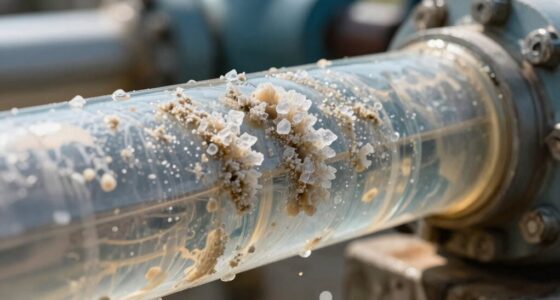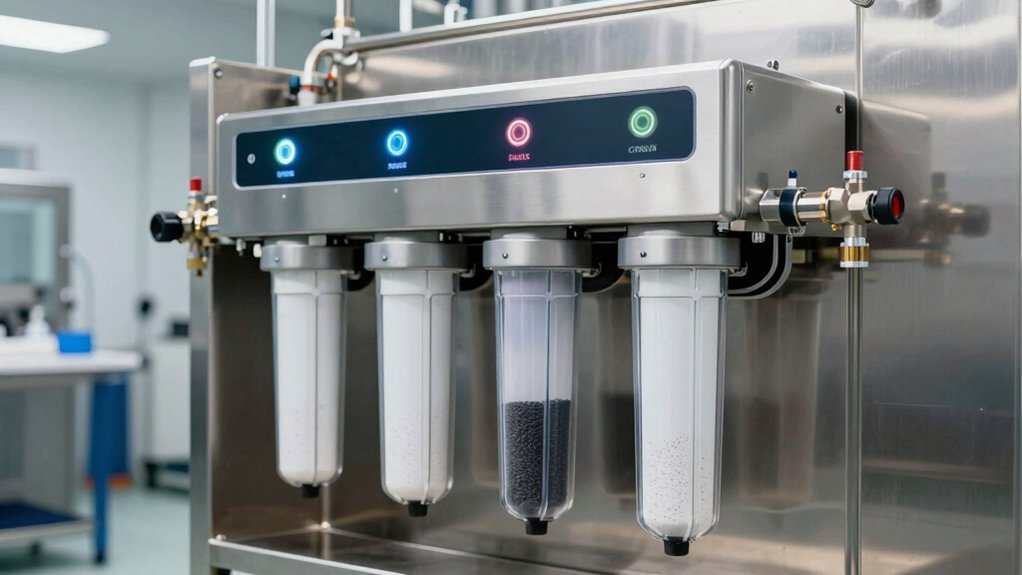

To save money on your reverse osmosis system, keep pretreatment simple and targeted. Start with thorough water analysis to identify contaminants like iron, manganese, and sediment. Use basic filters such as sediment and oxidation filters tailored to your water’s needs, avoiding over-engineering. Regular testing and maintenance help catch issues early, preventing costly repairs. By simplifying your pretreatment process, you extend system life and cut costs. Learn how to optimize this approach for maximum savings.
Key Takeaways
- Conduct thorough water analysis to target specific contaminants and avoid unnecessary pretreatment steps.
- Use simple, effective filters like sediment and oxidation filters tailored to water conditions.
- Regularly test and monitor water quality to detect changes and adjust pretreatment accordingly.
- Maintain and replace filters proactively to prevent fouling, scaling, and costly damage.
- Design a streamlined pretreatment system with high-quality components to reduce ongoing costs and complexity.
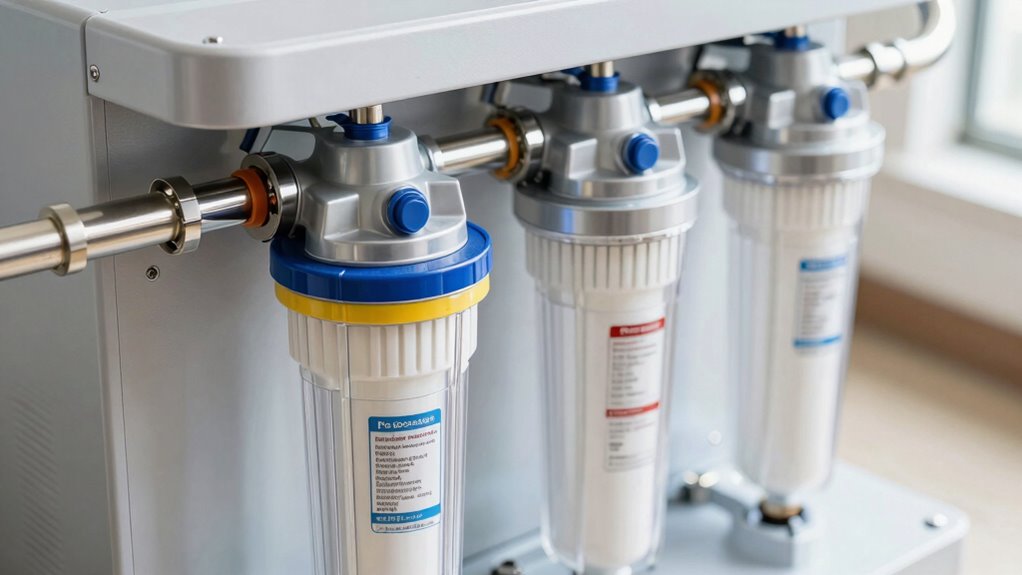
Are you tired of complicated pretreatment processes slowing down your reverse osmosis (RO) system? If so, you’re not alone. Many RO owners find themselves caught in a cycle of complex water filtration steps that seem to do more harm than good—costing both time and money. The good news is there’s a simple pretreatment shortcut that can keep your system running smoothly without draining your wallet. By streamlining your water filtration setup and sticking to well-planned maintenance schedules, you can significantly reduce unnecessary expenses and improve your system’s longevity.
Simplify pretreatment, maintain regularly, and save money while extending your RO system’s life.
The key is to understand that proper pretreatment doesn’t have to be complicated. Instead of over-engineering solutions or adding unnecessary filters, focus on identifying your water’s specific needs. Start with a thorough water analysis to determine the types and levels of contaminants present. Once you know what you’re dealing with, you can select targeted pretreatment options. For example, if your water contains high levels of iron or manganese, installing a simple oxidation filter can prevent these minerals from clogging your RO membrane. If your water has a lot of sediment, a basic sediment filter might suffice instead of a more expensive multi-stage system. This focus on tailored water filtration keeps your pretreatment process efficient and cost-effective. Additionally, understanding the water composition helps you choose the most appropriate pretreatment methods, saving you money and effort. Recognizing the specific contaminants in your water allows for more precise and effective treatment choices. Knowing your water’s composition also enables you to avoid unnecessary or overly complex filtration setups, saving both money and space. Regular testing and monitoring can help you stay aware of any changes in water quality that may require adjustments to your pretreatment system. Implementing water testing techniques can further ensure that your pretreatment remains effective and aligned with your water conditions.
In addition to choosing the right filters, establishing a consistent maintenance schedule is crucial. Regularly replacing or cleaning your filters ensures your RO system operates at peak performance. A well-maintained pre-treatment setup minimizes fouling, scaling, and membrane damage—common issues that lead to costly repairs and replacements. By sticking to a routine, such as checking filters monthly or as recommended by the manufacturer, you can catch potential problems early. This proactive approach means fewer emergency repairs and less downtime, saving you money in the long run.
Furthermore, simplifying your pretreatment setup can reduce ongoing costs. Rather than constantly adding new filters or upgrading to elaborate systems, opt for durable, high-quality components that last longer and require less frequent replacement. Proper maintenance schedules, combined with a tailored water filtration system, eliminate the guesswork and prevent unnecessary expenses. This streamlined approach helps you maximize your system’s lifespan and ensures your water quality remains high without constantly pouring money into upgrades or repairs. Incorporating smart maintenance techniques can further enhance system efficiency and reduce costs over time.
In the end, the pretreatment shortcut for RO owners isn’t about overcomplicating your water filtration. It’s about smart, targeted choices and consistent upkeep. By focusing on essential pretreatment steps and adhering to maintenance schedules, you can save money, extend the life of your RO system, and enjoy clean, quality water without the hassle of unnecessary expenses.
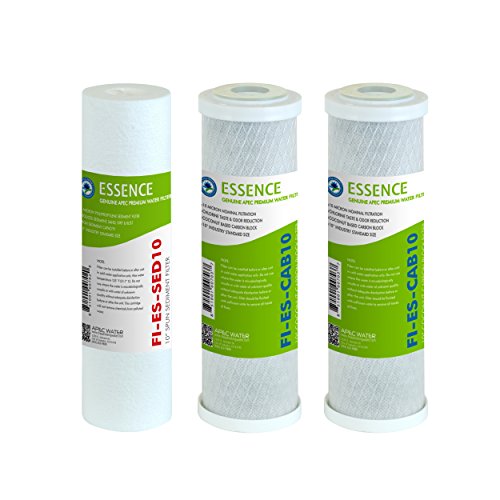
APEC Water Systems Filter-Set-ES High Capacity Replacement Pre-Filter Set for Essence Series Reverse Osmosis Water Filter System Stage 1-3
- Compatible Models: For ESSENCE Series RO Systems
- Filter Set Includes: Sediment and carbon block filters
- First Stage Filter: 5 micron polypropylene sediment filter
As an affiliate, we earn on qualifying purchases.
As an affiliate, we earn on qualifying purchases.
Frequently Asked Questions
How Often Should Pretreatment Filters Be Replaced?
You should replace pretreatment filters every 6 to 12 months, depending on your water quality and system usage. Regular water filtration and system maintenance are vital to keep your reverse osmosis system functioning efficiently. Check the filters periodically for signs of clogging or reduced flow. Replacing them on time guarantees the best water quality, prevents damage, and extends the lifespan of your system.
Can I Skip Pretreatment to Save Costs?
Think skipping pretreatment is a shortcut? Think again. While it may seem like a cost comparison quick fix, it risks damaging your RO system and increasing long-term expenses. DIY safety is essential—bypassing pretreatment can expose you to harmful contaminants and system failures. Protect your investment and health by sticking to recommended pretreatment routines. The savings from skipping are a false economy that could cost you dearly later.
What Signs Indicate Pretreatment Is Needed?
You need pretreatment if your water quality shows high levels of contaminants like sediments, iron, or manganese, which can clog your RO system. Look for increased pressure drops or reduced water flow, indicating fouling. Conduct a cost analysis to weigh the expense of pretreatment against potential damage and maintenance costs. If signs persist, pretreatment becomes a smart choice to protect your system and save money in the long run.
How Does Pretreatment Extend RO Membrane Lifespan?
Pretreatment acts as a shield, protecting your RO membranes from harmful contaminants. By reducing fouling and scaling, it guarantees membranes stay cleaner longer, which directly extends their lifespan. This proactive approach enhances membrane protection and boosts cost efficiency, saving you money on repairs and replacements. When you invest in pretreatment, you’re effectively stretching the longevity of your membranes, making your system more reliable and economical in the long run.
Are There DIY Pretreatment Options for Homeowners?
Yes, you can explore DIY pretreatment options to extend your RO membrane’s life. You might install basic filters or water softeners yourself, saving money on professional setup. Just remember, DIY installation requires careful attention to pretreatment upkeep, like regularly changing filters and monitoring for buildup or clogs. Staying proactive ensures your pretreatment system works efficiently, helping your RO system operate smoothly and last longer without frequent repairs.
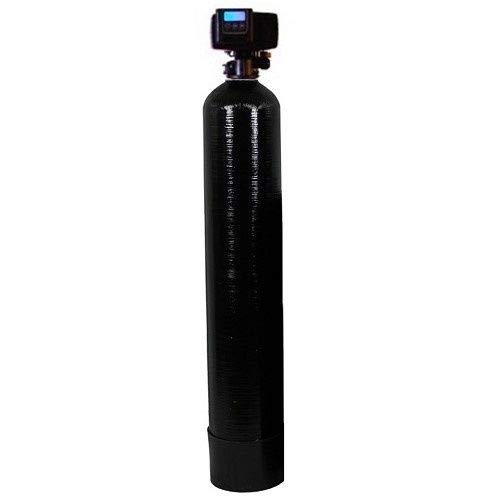
DuraWater Air Injection Iron Eater Filter 1.0. Removes Iron, Manganese, H2S
- Advanced Filtration System: DuraWater Black Series digital air injection
- Complete System Package: Includes filter media, mineral tank, bypass, and control valve
- Air Injection Technology: Creates air pockets to oxidize water
As an affiliate, we earn on qualifying purchases.
As an affiliate, we earn on qualifying purchases.
Conclusion
By implementing this pretreatment shortcut, you’ll save money and extend your RO system’s lifespan. It’s a win-win that keeps your investment in top shape without breaking the bank. Remember, sometimes the best way to tackle a problem is to hit two birds with one stone — improving water quality while cutting costs. Stay proactive, follow this simple tip, and watch your RO system perform better for years to come. Don’t let this opportunity slip through your fingers!

AquaticLife 10 in RO Pretreatment Filter Kit, 2-Pack
- Water Filter Replacement Cartridges: Easily replace filters in RO system
- Sediment Cartridge: Removes dirt, sand, silt, rust
- Carbon Block Filter: Removes 1 PPM chlorine for 2,500 gallons
As an affiliate, we earn on qualifying purchases.
As an affiliate, we earn on qualifying purchases.

Varify 17in1 Complete Drinking Water Test Kit – 100 Strips + 2 Bacteria Tester Kits – Well, Tap, Home, City Water Testing Strip for Lead, Alkaline, Chlorine, Hardness, Iron, Fluoride, Copper & More
- Number of Parameters Tested: 17 essential water quality parameters
- Comprehensive Water Analysis: Detects contaminants and imbalances
- Premium Quality Strips: Professional-grade, reliable test strips
As an affiliate, we earn on qualifying purchases.
As an affiliate, we earn on qualifying purchases.