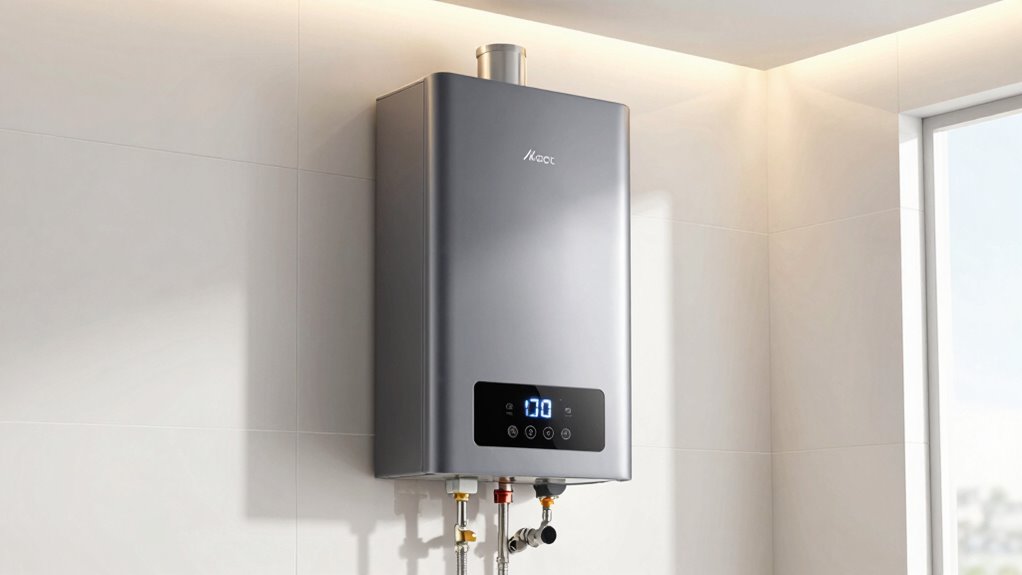

Installing a heat-pump water heater in your water room boosts energy efficiency by transferring heat from the air, lowering your electricity bills and reducing your carbon footprint. It works best in spaces with moderate temperatures and proper ventilation to prevent overheating. You may need to make some modifications for airflow and electrical access, but in the long run, you’ll save money and enjoy more sustainable hot water. Keep exploring to discover how choosing the right system enhances your home’s comfort and efficiency.

Get home appliances delivered free — and shop member deals
- Fast, free delivery on millions of items
- Access to Prime Big Deal Days deals on October 6–7
- Prime Video, Amazon Music and more included
Key Takeaways
- They increase energy efficiency by transferring heat from the air, reducing electricity use in the water room.
- They can lower energy bills and carbon footprint through sustainable heating.
- Proper installation and ventilation are essential to prevent overheating and maintain performance.
- They may require space modifications for airflow and electrical connections.
- Their effectiveness depends on ambient temperature and regional climate conditions.
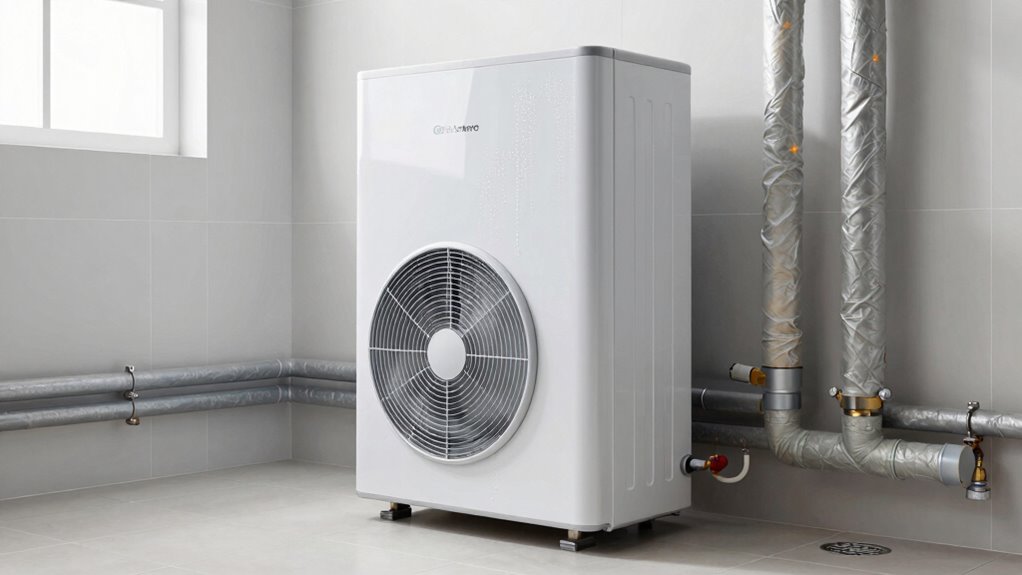
Have you contemplated how installing a heat-pump water heater in a water room can boost your energy efficiency? These systems are revolutionizing how you manage hot water, offering significant savings on energy bills while reducing your carbon footprint. Unlike traditional models that rely solely on electrical resistance to heat water, heat-pump water heaters transfer heat from the surrounding air into the tank, making them far more energy-efficient. When you choose to install one in a water room, you’re harnessing natural heat sources, which means less electricity is needed to produce the same amount of hot water. This shift can lead to noticeable reductions in your energy consumption over time, especially if your water room has proper ventilation and ambient temperatures that support efficient operation.
However, before you make the switch, it’s essential to consider installation considerations that can influence the system’s performance and longevity. Heat-pump water heaters work best in spaces that maintain moderate temperatures, typically between 40 and 90 degrees Fahrenheit. Installing in a water room that’s too cold or drafty can diminish energy efficiency and strain the system, leading to higher operating costs and potential early wear. Adequate ventilation is also indispensable; these units release some heat into the surrounding air, which can impact the temperature of the room itself. Ensuring proper airflow helps maintain ideal operating conditions and prevents overheating. Additionally, clear access for maintenance and servicing is indispensable, as heat-pump water heaters contain complex components that benefit from routine inspections.
Furthermore, understanding how energy-efficient systems operate can help you optimize your water room setup for maximum savings and performance. You’ll also want to evaluate the size and capacity of the heater relative to your household needs. Choosing a model that’s too small could lead to insufficient hot water, while an oversized unit might consume more energy than necessary. Installation costs are another consideration, as integrating a heat pump into an existing water room may require modifications to accommodate airflow pathways or electrical connections. Additionally, proper ventilation plays a critical role in maintaining system efficiency and preventing overheating, especially in enclosed spaces. Recognizing the importance of ambient temperature can help you select the best location in your home for installation, as these units perform optimally in environments with moderate temperatures. Properly assessing space requirements can further ensure that your system functions efficiently without crowding or ventilation issues. Understanding that climate can influence the performance of heat-pump water heaters can help you determine if this technology is suitable for your region. While the upfront investment can be higher than traditional systems, the long-term savings on energy bills often outweigh initial expenses.
As an affiliate, we earn on qualifying purchases.
Frequently Asked Questions
How Do Heat-Pump Water Heaters Impact Energy Efficiency?
Heat-pump water heaters boost your energy efficiency by using less electricity compared to traditional models. They transfer heat from the air instead of generating it, which reduces your energy costs. During installation, the process is straightforward, but it’s essential to compare costs beforehand. Over time, the savings on your utility bills outweigh the initial investment, making heat-pump water heaters a smart, eco-friendly choice for your home.
Are Heat-Pump Water Heaters Suitable for All Climate Zones?
Heat-pump water heaters are generally suitable for most climate zones, thanks to their climate adaptability. However, you should consider installation considerations, especially in colder regions where efficiency may drop. In such climates, you might need additional insulation or a supplementary heat source. Overall, they’re a good choice if you evaluate your local climate conditions and guarantee proper installation to maximize performance and energy savings.
What Maintenance Is Required for Heat-Pump Water Heaters?
You need to regularly check your heat-pump water heater’s tank insulation to guarantee it stays efficient and prevents heat loss. Additionally, monitor refrigerant levels and look for any leaks or unusual noises. Keep the unit clean by removing dust from the air filters and coils, which helps it operate smoothly. Schedule an annual professional inspection to maintain peak performance and extend the heater’s lifespan.
How Long Is the Typical Lifespan of a Heat-Pump Water Heater?
A heat-pump water heater typically lasts about 10 to 15 years, depending on usage and maintenance. You’ll enjoy ongoing energy savings during its lifespan, which helps offset the initial installation costs. Proper maintenance can extend its life, maximizing your investment. Keep an eye on performance and schedule regular checkups to make certain it operates efficiently for years, providing reliable hot water while saving energy.
Do Heat-Pump Water Heaters Operate Quietly?
You’ll find heat-pump water heaters operate quite quietly, like a gentle whisper in your home. Their noise levels are minimal, often comparable to a running refrigerator, making them less intrusive. Proper installation requirements, such as placing them in a well-ventilated area, help keep noise to a minimum. So, you won’t have to worry about loud disruptions; they blend seamlessly into your space, quietly doing their job.
As an affiliate, we earn on qualifying purchases.
Conclusion
Heat-pump water heaters transform your water room into a more efficient space, saving energy and reducing costs. They use innovative technology to heat water sustainably, making a noticeable difference in your home’s efficiency. Remember, a smart change today can lead to a better tomorrow—like the saying, “A stitch in time saves nine.” Embrace these heaters to upgrade your water room and enjoy long-term benefits with less impact on the environment.
As an affiliate, we earn on qualifying purchases.
hot water heater installation kit
As an affiliate, we earn on qualifying purchases.
As an affiliate, we earn on qualifying purchases.
Fall Picks
fall essentials
As an affiliate, we earn on qualifying purchases.