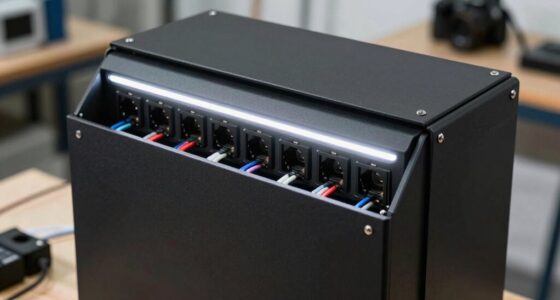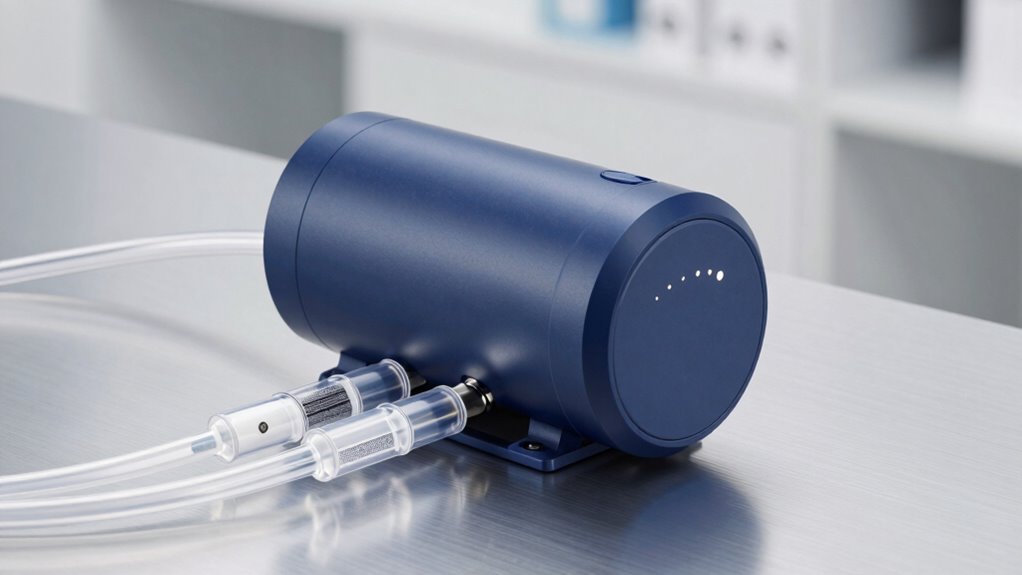

A quiet booster pump in practice uses vibration-dampening mounts and sound-absorbing enclosures to reduce noise at the source. The pump’s layout minimizes pipe bends and turbulence, while smooth piping and proper supports cut down vibrations. High-efficiency motors and variable frequency drives help control speed for quieter operation. Careful component placement and accessible maintenance keep noise levels low over time. Keep exploring how these designs come together to create an effective, silent system.

Get home appliances delivered free with Prime
- Fast, free delivery on millions of items
- Prime Video, Amazon Music and more included
- Member-only deals all year
Key Takeaways
- Use vibration-dampening mounts and sound-absorbing enclosures around the pump housing.
- Incorporate acoustic insulation and select materials with good damping properties.
- Design piping with minimal bends, smooth flow paths, and proper supports to reduce turbulence and vibrations.
- Implement variable frequency drives (VFDs) for demand-based, quiet operation.
- Ensure easy maintenance access with integrated soundproofing measures for ongoing noise control.
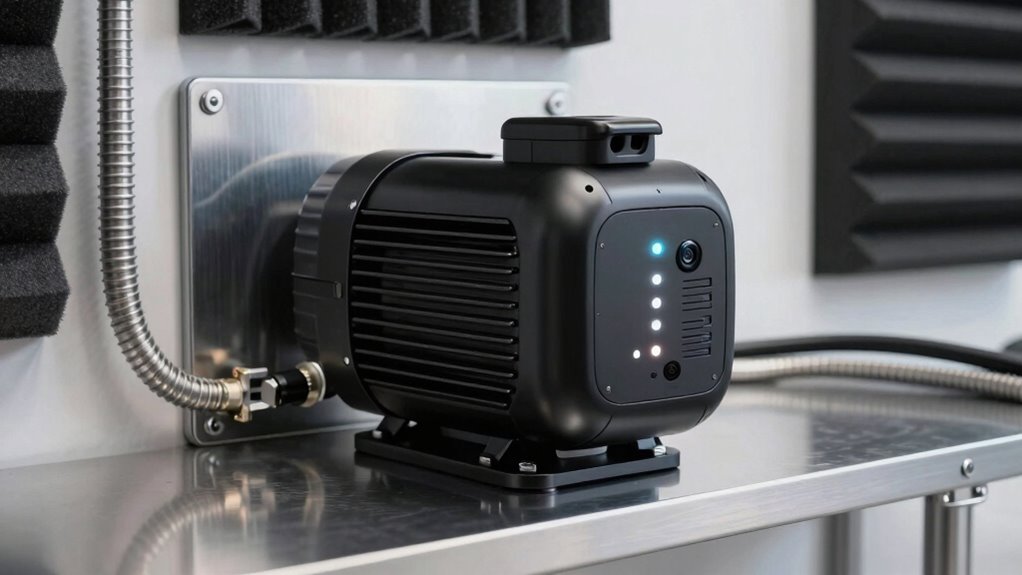
Designing a quiet booster pump isn’t just about reducing noise; it’s about creating an efficient system that meets practical demands while maintaining tranquility. In practice, this means carefully selecting components and designing the layout to minimize sound without sacrificing performance. Noise reduction starts with the choice of materials—using vibration-dampening mounts and sound-absorbing enclosures helps contain noise at the source. When you design with acoustic insulation in mind, you prevent sound waves from escaping the pump housing, which is vital if the system operates in noise-sensitive environments like residential areas or offices. Additionally, considering biodiversity aspects in your environment can influence the placement and design choices to further reduce disturbance.
Energy efficiency plays a crucial role in practical quiet booster-pump design as well. You want a system that avoids unnecessary power consumption while providing reliable performance. To achieve this, you incorporate variable frequency drives (VFDs), allowing the pump to adjust its speed based on demand. This prevents the pump from running at full capacity all the time, cutting down on energy use and reducing wear and tear. Additionally, selecting high-efficiency motors and optimizing the impeller design ensures smooth operation with minimal power loss. Incorporating noise mitigation strategies during design helps to further enhance the system’s tranquility. Proper piping layout is also essential; minimizing pipe vibrations and ensuring smooth flow paths reduces noise and enhances efficiency. You’ll want to avoid unnecessary bends or long pipe runs that can cause turbulence and generate additional noise or energy waste. Furthermore, paying attention to system calibration can help optimize performance and noise levels based on the specific application.
Another key aspect is maintenance accessibility. When designing in practice, you think about easy access points for servicing components like filters, seals, and the motor itself. This not only prolongs the lifespan of your pump but also keeps noise levels in check by preventing issues before they escalate. Regular maintenance and component accessibility are essential for sustaining quiet operation and system longevity. Incorporating soundproofing measures and choosing materials with good damping properties can further reduce operational noise. Combining soundproofing measures with thoughtful component placement means your system can operate quietly and efficiently over time.
As an affiliate, we earn on qualifying purchases.
Frequently Asked Questions
How Long Does a Quiet Booster Pump Typically Last?
A quiet booster pump typically lasts around 8 to 15 years, depending on usage and maintenance. Its longevity relies on effective noise reduction and vibration control features that reduce wear and tear. Regularly checking the motor and seals, and ensuring proper installation, can extend its lifespan. When well-maintained, these pumps operate quietly for years, providing reliable water pressure without disruptive noise or vibrations.
What Maintenance Is Required for Quiet Booster Pumps?
A stitch in time saves nine, so regular maintenance keeps your quiet booster pump running smoothly. You should check for and address noise reduction issues and vibration control regularly, like inspecting for leaks, cleaning filters, and tightening fittings. Lubricate moving parts as needed, and listen for unusual sounds. Proper upkeep minimizes wear, prolongs lifespan, and guarantees your pump remains quiet and efficient, saving you trouble down the line.
Are Quiet Booster Pumps Suitable for Outdoor Use?
Yes, quiet booster pumps are suitable for outdoor use, thanks to their outdoor durability. Manufacturers often incorporate noise reduction techniques, like sound-absorbing enclosures and vibration dampers, making them effective in outdoor environments without disturbing neighbors. Just make certain you select a model specifically designed for outdoor conditions, with proper weatherproofing, to withstand elements like rain and dust, and maintain excellent performance over time.
How Energy-Efficient Are These Pumps?
Quiet booster pumps are quite energy-efficient, thanks to their advanced motor technology and noise reduction features. You’ll notice they use less power while maintaining strong performance, which means significant energy savings over time. The noise reduction design not only keeps operation quiet but also minimizes energy waste associated with excessive noise. Overall, these pumps help you save on energy bills and create a more comfortable environment.
Can Quiet Booster Pumps Handle High Water Demands?
Yes, quiet booster pumps can handle high water demands effectively. They incorporate noise reduction features, ensuring minimal disruption during operation. However, you might face installation challenges due to their specialized components and the need for proper setup to maximize performance. Despite this, their ability to deliver high flow rates quietly makes them suitable for demanding applications, provided you follow installation guidelines carefully for ideal results.
As an affiliate, we earn on qualifying purchases.
Conclusion
In practice, a quiet booster pump design proves that good things come in small, well-engineered packages. By prioritizing sound insulation, smooth operation, and efficient flow, you create a system that works quietly and reliably. Remember, a well-designed pump is like a well-tuned orchestra—harmony in performance and silence in sound. With thoughtful planning, you can enjoy a peaceful environment without sacrificing the power you need. After all, silence is golden when performance is key.
soundproof booster pump enclosure
As an affiliate, we earn on qualifying purchases.
As an affiliate, we earn on qualifying purchases.
energy-efficient booster pump with VFD
As an affiliate, we earn on qualifying purchases.
As an affiliate, we earn on qualifying purchases.
NFL season / tailgating Picks
team gear
As an affiliate, we earn on qualifying purchases.