When treating iron and manganese, you need to prioritize safety by wearing protective gear like gloves and goggles, and working in well-ventilated areas. Properly handle and store chemicals in compatible, labeled containers with secondary containment. Regularly maintain equipment to prevent malfunctions and monitor water quality through tests to catch issues early. Following these practical steps guarantees a safe and effective process—keep going to uncover essential methods that truly work.

Get home appliances delivered free — and shop member deals
- Fast, free delivery on millions of items
- Access to Prime Big Deal Days deals on October 6–7
- Prime Video, Amazon Music and more included
Key Takeaways
- Always wear protective gear, including gloves and eyewear, when handling chemicals or operating treatment equipment.
- Store chemicals securely in compatible containers, clearly labeled, and away from incompatible substances.
- Regularly maintain and inspect treatment systems to prevent malfunctions and ensure safety.
- Conduct frequent water testing for iron and manganese levels to adjust treatment processes effectively.
- Keep spill kits and emergency procedures accessible to respond quickly to leaks or chemical spills.
iron and manganese water treatment chemicals
As an affiliate, we earn on qualifying purchases.
As an affiliate, we earn on qualifying purchases.
Recognizing the Risks of Iron and Manganese in Water
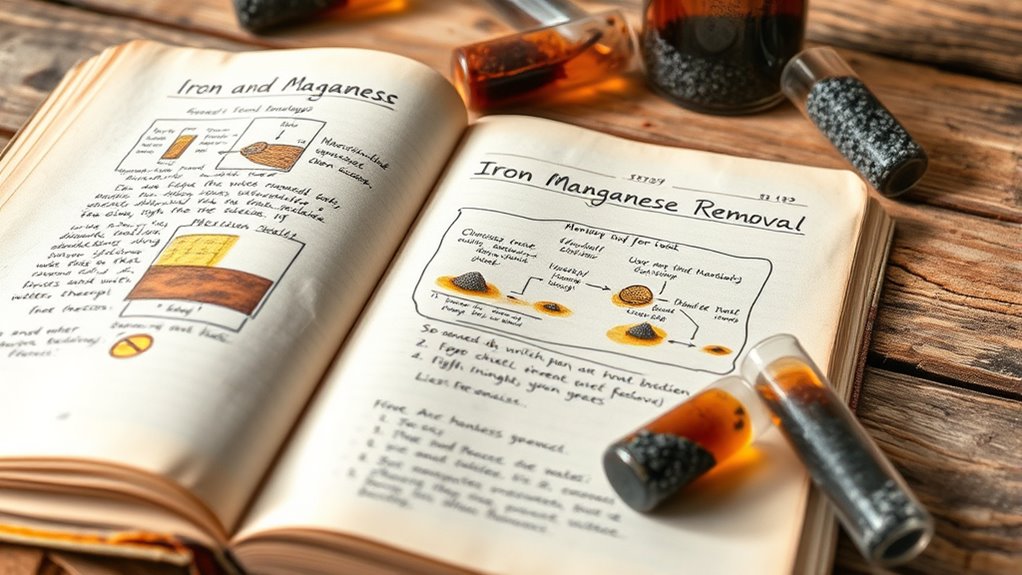
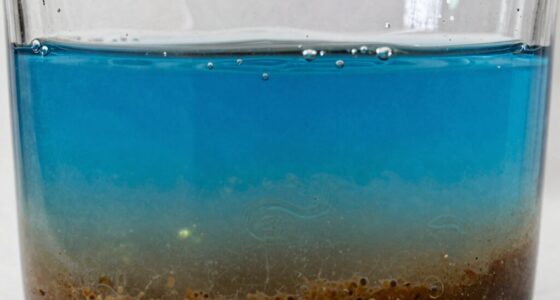
Iron and manganese in your water can pose serious problems if left unchecked. These minerals create corrosion hazards that damage pipes and fixtures, leading to costly repairs. They also increase contamination risks, as they can harbor bacteria and promote rust buildup, affecting water quality. Visible signs include reddish-brown stains on sinks, laundry, and fixtures, which signal high iron levels. Manganese can cause dark, blackish stains and a metallic taste. Ignoring these issues can lead to pipe deterioration and contaminated water supplies, risking health and safety. Recognizing these risks early helps you take action before problems escalate. Regular testing and inspection are essential to identify iron and manganese presence, allowing for effective treatment and safeguarding your water system’s integrity. Ensuring proper water treatment standards helps mitigate these issues effectively.
water testing kits for iron and manganese
As an affiliate, we earn on qualifying purchases.
As an affiliate, we earn on qualifying purchases.
Essential Safety Gear and Precautions for Treatment Processes
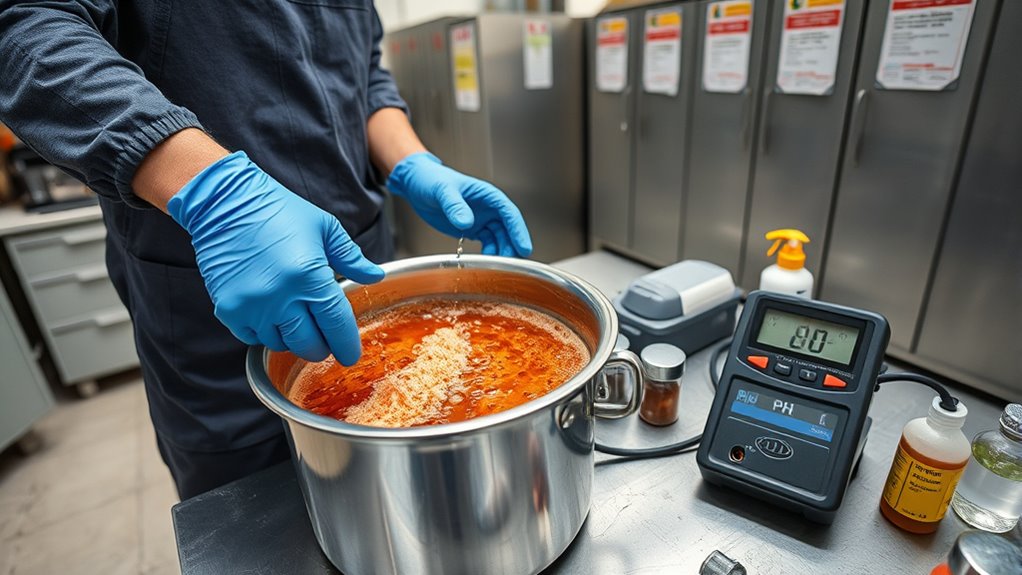
When working with water treatment equipment, wearing the right safety gear is essential to protect yourself from potential hazards. Always wear protective eyewear to shield your eyes from splashes or chemical fumes. Safety goggles or glasses prevent irritation or injury during handling chemicals or operating equipment. Keep chemical spillkits nearby in case of accidental spills; these kits help contain and neutralize hazardous materials quickly. Gloves are also crucial to prevent skin contact with corrosive substances. Ensure your clothing covers exposed skin and consider respiratory protection if fumes are present. Precautions like securing lids and working in well-ventilated areas reduce risks. Prioritizing proper safety gear and awareness keeps you safe while effectively managing iron and manganese treatment processes. Incorporating data-driven strategies can help monitor and improve safety protocols over time.
protective gear for water treatment safety
As an affiliate, we earn on qualifying purchases.
As an affiliate, we earn on qualifying purchases.
Proper Handling and Storage of Chemicals

To guarantee safe and effective treatment, you must handle and store chemicals properly. Proper handling reduces risks like spills or accidental exposure. Always choose storage containers designed for your chemicals, considering compatibility to prevent leaks or reactions. Use secondary containment to prevent chemical spill prevention in case of container failure. Label all containers clearly with contents and hazards. Store chemicals in a secure, well-ventilated area away from incompatible substances. Keep lids tight and regularly inspect containers for damage. When handling, wear appropriate safety gear and avoid mixing chemicals unless specified. Proper storage also involves understanding the horsepower of electric dirt bikes, as high-powered bikes may require special safety measures. Here’s a quick reference:
| Storage Tip | Purpose |
|---|---|
| Use compatible containers | Prevent leaks and reactions |
| Label all containers | Ensure proper identification |
| Store in ventilated areas | Minimize inhalation risks |
| Maintain secondary containment | Prevent spills from spreading |
chemical spill kit for water treatment
As an affiliate, we earn on qualifying purchases.
As an affiliate, we earn on qualifying purchases.
Safe Operation of Treatment Equipment and Systems
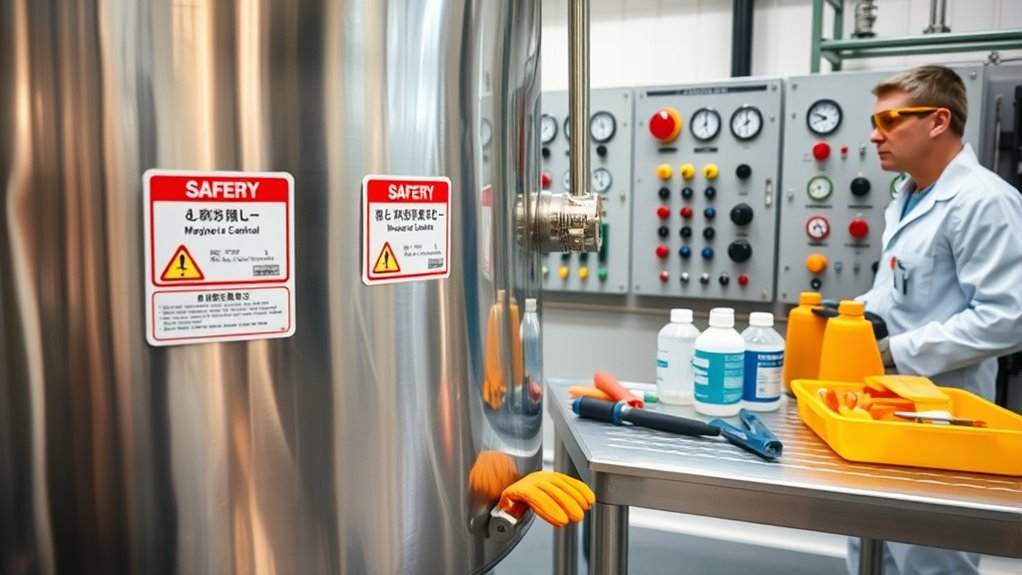
Ensuring the safe operation of treatment equipment and systems is essential to protect both personnel and the effectiveness of the process. Regular equipment maintenance helps prevent malfunctions and keeps systems running smoothly. Always follow manufacturer instructions for inspections and repairs, and keep records of maintenance activities. Know your emergency procedures and ensure all staff are trained to respond quickly to issues like leaks, electrical faults, or equipment failures. Use safety shields and guards to prevent accidents during operation. Turn off equipment before performing maintenance or adjustments. Stay alert for unusual noises, vibrations, or warning signals, and address problems immediately. Properly maintained equipment and clear emergency procedures reduce risks, protect workers, and guarantee your treatment system operates safely and efficiently. Incorporating sound healing science principles can also help in creating a safer and more harmonious work environment.
Monitoring and Maintaining Water Quality Safely

Regular maintenance of treatment equipment keeps systems running efficiently, but maintaining water quality is equally important for effective iron and manganese removal. You should regularly perform water testing to monitor levels of iron, manganese, and other contaminants. This helps identify any changes that could compromise treatment effectiveness or indicate contamination risks. Consistent testing allows you to adjust treatment processes promptly, ensuring water remains safe and clean. Prevention is key—by catching issues early, you prevent contamination from spreading or causing health problems. Keep detailed records of water quality results and maintenance activities. This practice supports compliance with safety standards and helps you troubleshoot problems quickly. Monitoring water quality indicators is essential for effective treatment and safety. Ultimately, diligent testing and proactive maintenance safeguard your water supply, ensuring safe, high-quality water for all users.
Frequently Asked Questions
How Can I Identify if My Water Has Iron or Manganese Contamination?
You can identify iron or manganese contamination through water testing, which reveals contaminant indicators like reddish-brown stains or blackish deposits. Look for discolored water, metallic taste, or sediment buildup in fixtures. Conduct a professional water test or use a home testing kit to detect these metals accurately. If you notice any of these signs, testing confirms whether iron or manganese is present, helping you decide on effective treatment options.
Are There Eco-Friendly Treatment Options for Iron and Manganese Removal?
Yes, you can use eco-friendly solutions like natural filtration methods to remove iron and manganese from your water. These methods include using sand, charcoal, or biofilters that naturally absorb or filter out contaminants. Installing a slow sand filter or adding beneficial bacteria can enhance the process, making it safer for the environment. These options are sustainable, cost-effective, and don’t introduce harmful chemicals into your water supply.
What Are the Common Mistakes to Avoid During Chemical Handling?
You should always wear protective gear like gloves and goggles when handling chemicals to avoid skin and eye contact. Avoid rushing or mixing chemicals improperly, which can cause dangerous reactions. Prevent spills by using proper containers and working on stable surfaces. Always follow manufacturer instructions and keep spill prevention measures ready. Staying cautious and prepared helps you handle chemicals safely and effectively, minimizing risks during iron and manganese removal processes.
How Often Should I Test Water Quality After Treatment?
You should test your water quality regularly, ideally every 3 to 6 months, to make certain proper contaminant detection and treatment effectiveness. Frequent water testing helps you catch any issues early, especially after treatment adjustments or system maintenance. Keep an eye on iron and manganese levels, and perform additional tests if you notice changes in water appearance or taste. Consistent testing guarantees safe, clean water for your needs.
Can Untreated Iron and Manganese Pose Long-Term Health Risks?
Untreated iron and manganese are like ticking time bombs for your health, posing serious long-term risks. Continuous exposure can lead to health implications such as skin issues, staining, or even more severe conditions like neurological problems. Ignoring these metals increases exposure risks, especially through drinking water. To protect yourself, it’s essential to treat and test your water regularly, reducing the chance of harmful buildup and safeguarding your health over time.
Conclusion
By mastering these safety basics, you’ll become a water treatment superhero, preventing iron and manganese mishaps before they even start! With the right gear, careful handling, and vigilant monitoring, you’ll turn what seems like a dangerous jungle into a safe, sparkling oasis. Don’t let these hidden contaminants turn your water into a villain—arm yourself with knowledge and keep your treatment process safe, simple, and unstoppable! Your water’s safety depends on YOU!
Fall Picks
fall essentials
As an affiliate, we earn on qualifying purchases.