To fix low pressure without overloading pipes, you need to size your booster pump correctly by matching its capacity to your system’s flow rate and pressure needs. Make certain your pipes are properly sized to minimize pressure loss—larger pipes reduce resistance and maintain pressure. Overly powerful pumps can cause damage, so balancing flow demand with pipe capacity is key. Keep these principles in mind, and you’ll discover how to optimize your system effectively and safely.

Get home appliances delivered free with Prime
- Fast, free delivery on millions of items
- Prime Video, Amazon Music and more included
- Member-only deals all year
Key Takeaways
- Accurately assess system flow rate and outlet pressure needs to select the appropriate pump capacity.
- Calculate pressure loss in pipes considering diameter and length to ensure proper pump head.
- Use correctly sized pipes to minimize pressure loss and prevent overloading the pump.
- Choose a pump that provides sufficient pressure without exceeding system limits or causing damage.
- Regularly monitor system performance to adjust pump size or pipe dimensions for optimal efficiency.

Choosing the right booster pump size is essential to guarantee your system delivers adequate pressure and flow without wasting energy or causing damage. When sizing a pump, you need to contemplate how pressure loss affects overall performance. Pressure loss occurs when water moves through pipes, fittings, and valves, reducing the pressure available at the outlet. The amount of pressure loss directly correlates with pipe diameter; smaller pipes increase pressure loss, while larger pipes help maintain higher pressure levels. If your pipes are too narrow for your demand, your system will struggle to deliver the required flow, leading to low pressure issues. Conversely, oversized pipes can be unnecessarily costly and may still not solve pressure problems if the pump itself isn’t correctly sized.
To prevent pressure loss from becoming a problem, you should first evaluate your pipe diameter throughout the system. Larger diameters reduce resistance, diminishing pressure loss and ensuring a steady flow. When selecting a booster pump, you need to match its capacity with your pipe dimensions and system demand. A pump that’s too small won’t generate enough pressure to overcome the pressure loss in your pipes, resulting in weak flow and poor performance. On the other hand, a pump that’s too large can cause excessive pressure, potentially damaging pipes or fixtures, and wasting energy.
It’s important to analyze your system’s flow rate requirements and the maximum pressure needed at the outlets. Once you understand these needs, you can estimate the pressure loss across your piping network. Using this data, you’ll determine the pump’s head capacity—how much pressure it must generate to compensate for pressure loss and provide the desired flow. Proper system design is crucial to prevent overloading pipes and ensure energy-efficient operation. The goal is to select a pump that can reliably deliver flow at the necessary pressure without pushing the system beyond its limits. This balance prevents overloading pipes and ensures energy-efficient operation.
As an affiliate, we earn on qualifying purchases.
Frequently Asked Questions
How Often Should I Service My Booster Pump?
You should service your booster pump at regular intervals, typically every 6 to 12 months, depending on its usage and manufacturer recommendations. Regular pump maintenance helps prevent issues like low pressure and guarantees peak performance. Keep an eye on signs like unusual noises or pressure drops, and don’t forget to follow your specific service intervals to avoid overloading pipes or causing damage. Proper upkeep keeps your system running smoothly.
Can Booster Pumps Operate Silently?
Yes, booster pumps can operate silently with proper noise reduction measures. You can choose models designed for silent operation or add soundproof enclosures to minimize noise. Regular maintenance also helps keep the pump running smoothly and quietly. Installing vibration isolators and choosing pumps with advanced noise dampening features further enhances silent operation, ensuring you experience minimal disturbance while maintaining consistent water pressure in your system.
Are There Energy-Efficient Booster Pump Models?
Yes, you can find energy-efficient booster pump models that help save energy and reduce your carbon footprint. Look for eco-friendly models with energy-saving options like variable speed drives, which adjust the pump’s power based on demand. These pumps use less electricity, lower operational costs, and are better for the environment. Investing in such models guarantees you maintain ideal water pressure while being mindful of energy consumption and environmental impact.
What Safety Features Should I Look For?
Look for booster pumps with pressure safety features like automatic shutoff or pressure relief valves to prevent over-pressurization. Overload protection is essential; confirm the pump has thermal or electronic overload safeguards that shut it down if it overheats or faces excessive current. These safety features help prevent damage, ensure reliable operation, and keep your system safe from pressure spikes or electrical issues.
How Does Pipe Material Affect Pump Performance?
You’re right to think pipe material plays a big role in pump performance. The right choice affects durability, corrosion resistance, and flow efficiency. For example, steel pipes are durable but prone to corrosion, which can clog the system. PVC pipes resist corrosion but may not withstand high pressure. Remember, a pipe that’s incompatible with your pump can cause pressure drops or leaks—it’s a case of putting the cart before the horse.
pipe size and pressure loss calculator
As an affiliate, we earn on qualifying purchases.
As an affiliate, we earn on qualifying purchases.
Conclusion
In balancing boost and burden, proper pump sizing prevents pressure problems and pipes from peril. By carefully calculating capacity and considering system constraints, you can avoid overloading and optimize performance. Take the time to tailor your booster pump, targeting trouble before it begins. With wise, well-witted sizing, you’ll ward off wear and worry, ensuring your system runs reliably and robustly. Remember, smart sizing safeguards your system’s strength, saving stress and securing seamless service.
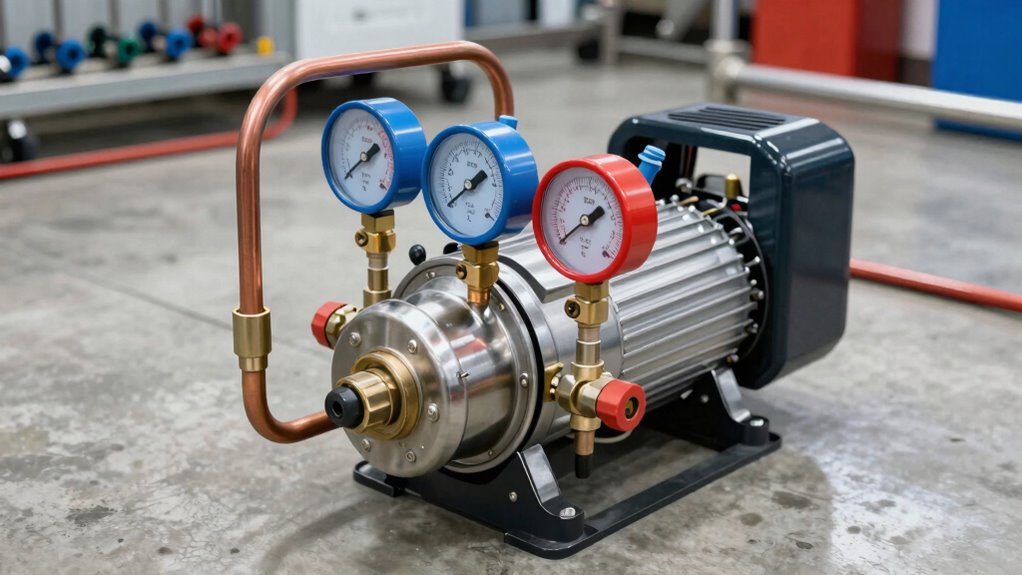
pressure booster pump for plumbing
As an affiliate, we earn on qualifying purchases.
As an affiliate, we earn on qualifying purchases.
As an affiliate, we earn on qualifying purchases.
Cold & flu season Picks
humidifiers
As an affiliate, we earn on qualifying purchases.