
When you add bathrooms to your house, your plumbing system needs adjustments to handle increased water demand. You’ll need to take into account larger pipes and better layout planning to prevent pressure drops and slow drainage. Proper pipe sizing ensures all fixtures get enough water, especially during peak use. If you keep these factors in mind, your system will work smoothly. To understand exactly how to size your pipes, there’s more you should know.
Key Takeaways
- Increased fixtures demand larger pipes to handle higher water flow and prevent pressure drops during peak usage.
- Adding bathrooms may require upgrading pipe diameters from ½-inch to ¾-inch or 1-inch for adequate capacity.
- Longer pipe runs from new bathrooms can lead to pressure loss, necessitating size adjustments or pressure-boosting devices.
- Proper system sizing ensures consistent water pressure, reduces leaks, and avoids drainage issues with household expansion.
- Consulting a professional plumber helps tailor pipe sizing and layout changes to meet increased household water demands.

When your household grows, so does your energy and water demand, making it essential to properly size your systems to meet these new needs. Adding bathrooms is a common way households expand, but it also notably impacts your plumbing system. One of the most crucial steps is reassessing your water demand, which increases with every new fixture. More bathrooms mean more sinks, toilets, and showers, all of which draw water simultaneously at times. Without adjusting your system, you risk inadequate water flow, pressure drops, or even system failure.
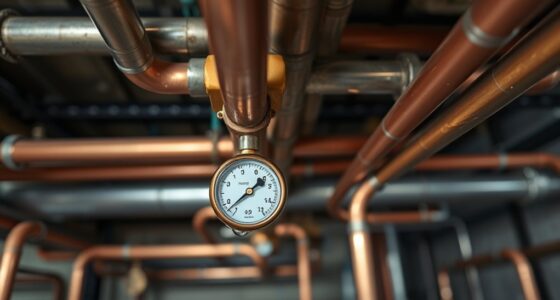
To accommodate this increased water demand, you need to revisit your pipe sizing. Proper pipe sizing is vital to ensure that each fixture receives sufficient water flow without causing pressure drops or leaks. When expanding, you must evaluate the current pipe diameters and determine whether they can handle the additional load. If not, upgrading pipe sizes becomes necessary. Larger pipes reduce friction loss, allowing more water to flow efficiently, especially during peak usage times. Conversely, undersized pipes can lead to slow drainage, reduced water pressure, and increased wear on fixtures.
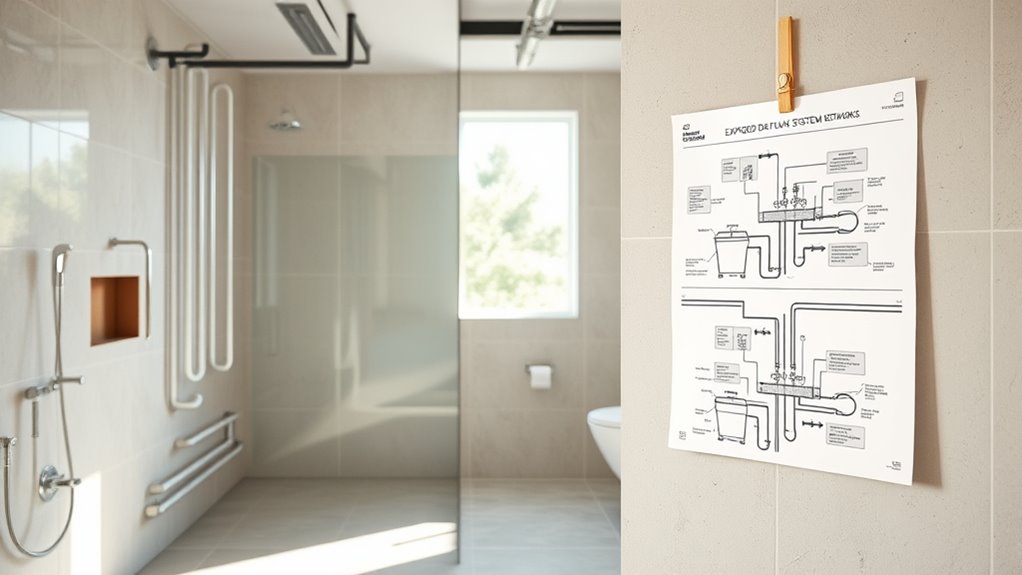
Calculating the correct pipe size involves understanding your household’s total water demand. This includes considering the number of fixtures, their flow rates, and simultaneous usage patterns. For example, if you add a new bathroom with a shower and toilet, you’ll need to ensure your main supply line and branch lines are sized to handle the combined flow. Typically, this means increasing pipe diameters from standard sizes to accommodate the higher demand, often from ½-inch to ¾-inch or even 1-inch lines depending on the number of fixtures.
Additionally, you should evaluate your current plumbing layout. Longer pipe runs can lead to pressure drops, so you might need to install larger pipes or add pressure-boosting components like pumps or pressure regulators. Proper pipe sizing not only guarantees consistent water flow but also helps prevent long-term issues like pipe bursting or leaks caused by pressure fluctuations.
Furthermore, understanding asset division laws and regulations can be useful if you are sharing or transferring property assets related to your plumbing system during a household expansion. Proper pipe sizing and water demand assessments will also help you avoid future disputes over property improvements or maintenance responsibilities.
Implementing these changes might seem complex initially, but working with a qualified plumber ensures your system is designed correctly. They can perform detailed calculations based on your household’s specific needs, ensuring your water supply remains reliable and efficient after expansion. Properly sizing your pipes and adjusting your water demand measures will keep your household comfortable and prevent costly repairs down the line. Upgrading your plumbing system now ensures you’re prepared for future growth while maintaining ideal performance.
Frequently Asked Questions
How Long Does It Typically Take to Upgrade a Plumbing System?
The plumbing upgrade timeline varies, but typically, it takes about 1 to 3 days to complete an upgrade. Your upgrade duration depends on the extent of the work, such as adding bathrooms or rerouting pipes. You should plan for some flexibility, as unforeseen issues can extend the process. Communicate with your plumber to get a clear estimate of the upgrade duration tailored to your specific household expansion needs.
What Are the Costs Associated With Adding a New Bathroom?
Thinking about adding a new bathroom? You should know that the costs can surprise you. A detailed cost analysis reveals expenses like plumbing, fixtures, and permits, which all contribute to the total expense breakdown. Expect to spend anywhere from $5,000 to $25,000 depending on your home’s size and scope. These costs can fluctuate, so plan carefully and get multiple estimates to avoid unexpected surprises down the line.
Can Existing Systems Be Modified for Additional Bathrooms?
Yes, existing systems can often be modified for additional bathrooms, but you’ll face renovation challenges and plumbing adjustments. You might need to upgrade your current plumbing lines, increase water heater capacity, or enhance drainage systems to handle extra demand. These modifications can be complex, requiring careful planning and professional expertise to guarantee your system functions efficiently without costly disruptions or future issues.
How Often Should System Inspections Be Scheduled After Expansion?
You should schedule system inspections every 6 to 12 months after expanding your household. Regular inspection frequency helps identify issues early and guarantees your system operates efficiently. Incorporate maintenance scheduling into your routine to address any wear or damage caused by the expansion. Keep an eye on water pressure and system performance, and consult a professional if you notice irregularities, ensuring your system stays reliable and effective.
Are There Regulations or Permits Required for Adding Bathrooms?
Think of adding a bathroom as planting a new seed in your home’s garden. You’ll need to check with your local regulations to see if building permits are required, as rules vary by area. These permits act like a passport for your project, ensuring everything meets safety standards. Always consult local authorities before starting, so your expansion blooms smoothly without legal weeds sprouting up.
Conclusion
As your household grows and new bathrooms open, imagine the flow of water like a bustling river, needing a wider channel to keep everything running smoothly. Expanding your system isn’t just about adding pipes; it’s about shaping a reliable, steady stream that meets your needs. When you plan ahead, you’re creating a resilient backbone for your home’s daily life—ensuring your water flows seamlessly, no matter how busy your household becomes.