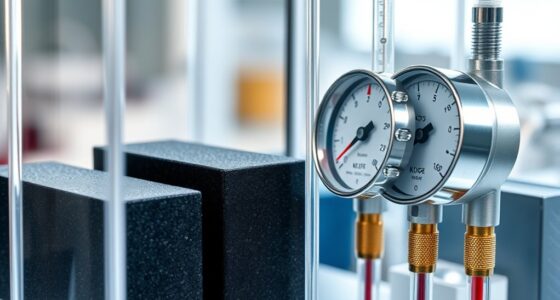
By understanding the difference between static and dynamic pressure, you can better predict potential issues in airflow systems. Static pressure measures stationary air forces, while dynamic pressure reveals how fast air moves. Monitoring the pressure differential between these two helps you identify problems like blockages, turbulence, or leaks that could affect performance. If you want to learn how these measurements can prevent system troubles, keep exploring ways to optimize airflow diagnostics.
Key Takeaways
- Comparing static and dynamic pressure reveals airflow velocity and potential flow issues.
- Sudden pressure differentials can indicate blockages, leaks, or turbulence in fluid systems.
- Monitoring these pressures helps predict system performance problems early.
- Changes in static or dynamic pressure can signal flow disturbances or component failures.
- Accurate pressure measurement enables proactive maintenance and optimized system operation.
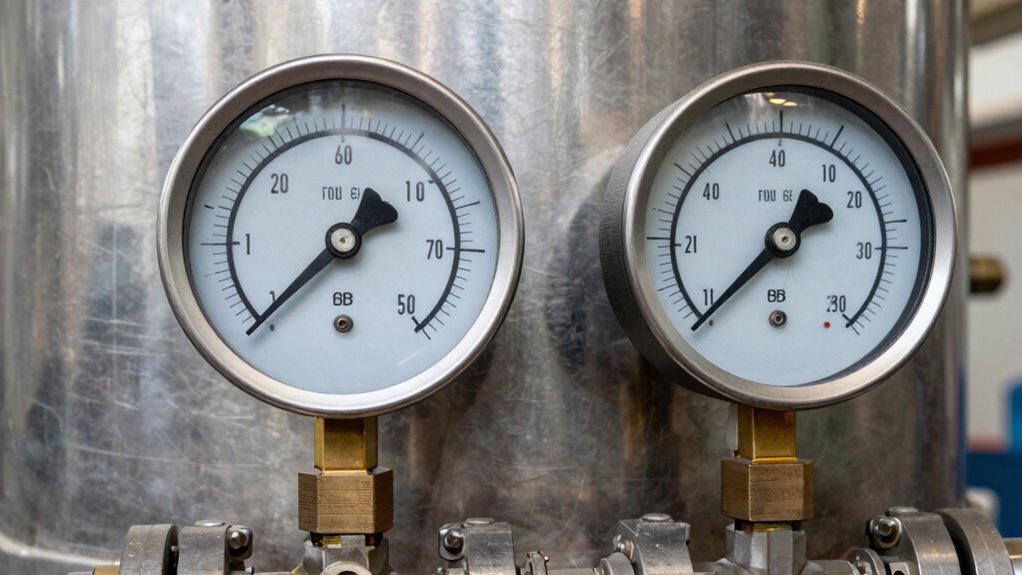
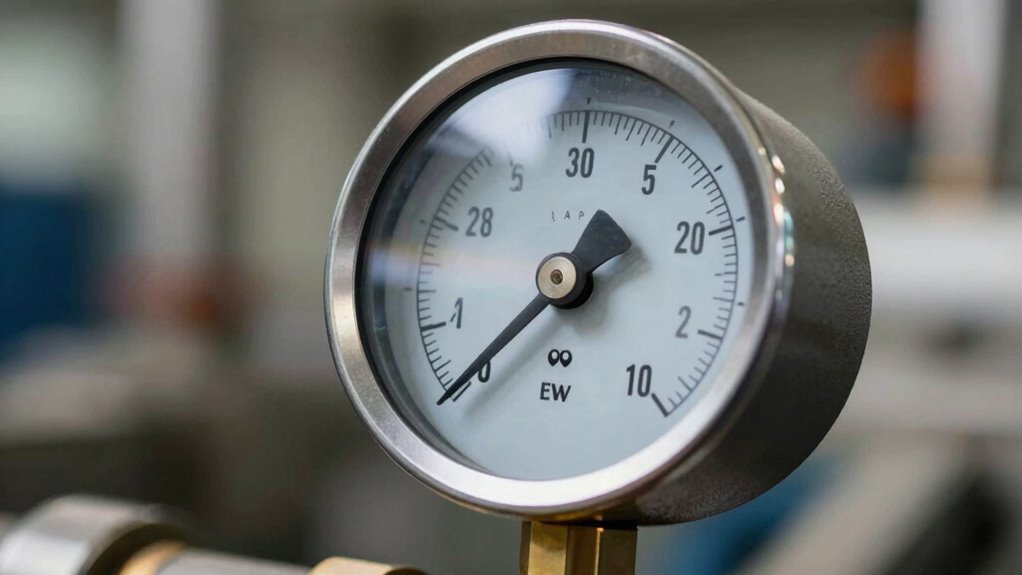
Ever wondered how air pressure affects flight and fluid flow? It’s a fascinating aspect of physics that plays a vital role in many engineering applications. When it comes to understanding how fluids move around objects—whether it’s air flowing over an aircraft wing or water through a pipe—airflow measurement and pressure differentials are key. These measurements help you determine the forces at play, predict potential problems, and optimize performance. Static and dynamic pressures are two essential components that, when accurately assessed, give you a thorough picture of fluid behavior.
Imagine standing near an aircraft at the runway. The way air moves around the plane isn’t random; it’s governed by pressure differences. Static pressure is the force exerted by the air at rest, acting equally in all directions. It’s what you measure when you’re not moving relative to the air, such as when a sensor is placed in a steady airflow. Dynamic pressure, on the other hand, relates directly to the air’s velocity; it’s the pressure resulting from the air’s movement. When the aircraft accelerates, the dynamic pressure increases, which is vital for understanding lift and drag. By analyzing pressure differentials—comparing static and dynamic pressures—you can determine the airflow velocity and identify flow disturbances or inefficiencies.
In practical terms, if you’re monitoring an aircraft’s systems or conducting fluid flow analysis, these pressure measurements become invaluable. They allow you to diagnose issues like flow separation, turbulence, or unusual pressure drops that could signal impending problems. For example, a sudden change in pressure differential might indicate a blockage or leak, alerting you before more significant failures occur. This is why accurate airflow measurement and pressure differential analysis are embedded into many aerospace and industrial systems—they serve as early warning signs and help optimize operational safety. Understanding pressure differentials and their significance can also improve maintenance practices and system longevity.
Understanding the relationship between static and dynamic pressure also aids in designing better components. Engineers use this knowledge to shape surfaces, improve aerodynamics, and enhance efficiency. When you grasp how these pressures interact, you can better predict how fluids will behave in complex environments, making your designs safer and more reliable. Whether you’re working with aircraft, HVAC systems, or fluid transport pipelines, recognizing the importance of pressure differentials and how they influence airflow measurement empowers you to troubleshoot problems proactively. In essence, mastering the concepts of static and dynamic pressure isn’t just academic; it’s a practical tool for predicting issues and ensuring fluid systems operate smoothly and safely.
Frequently Asked Questions
How Does Temperature Affect Static and Dynamic Pressure Readings?
Temperature fluctuations can considerably affect static and dynamic pressure readings, causing measurement inaccuracies. As temperature changes, it impacts the density of the fluid or gas, leading to variations in pressure. To guarantee accurate readings, you should perform regular pressure calibration, accounting for temperature effects. This way, you minimize errors caused by temperature fluctuations and maintain reliable pressure measurements in your system.
Can Static and Dynamic Pressure Be Measured Simultaneously?
Yes, you can measure static and dynamic pressure simultaneously, revealing essential flow dynamics. This process involves using specialized probes or sensors that capture both pressures at once, providing real-time insights. Imagine uncovering hidden flow issues before they escalate—this dual measurement technique is your key. It’s a precise, proactive way to monitor systems, ensuring peak performance and preventing potential problems lurking beneath the surface.
What Tools Are Best for Measuring Static and Dynamic Pressure?
You should use a pressure transducer for measuring static and dynamic pressure accurately, as it provides real-time, precise readings. Anemometer calibration is essential if you’re measuring airflow, ensuring your device’s accuracy. For simultaneous measurements, connect the pressure transducer to your anemometer setup, allowing you to monitor both static and dynamic pressure effectively. This combo helps predict potential problems in fluid systems and maintains ideal performance.
How Do Static and Dynamic Pressure Impact HVAC System Efficiency?
Static and dynamic pressure critically influence your HVAC system’s efficiency by affecting airflow optimization and pressure balancing. If static pressure is too high, it can cause airflow restrictions, reducing system performance. Conversely, dynamic pressure helps guarantee proper air movement. By monitoring and adjusting these pressures, you prevent inefficiencies, improve comfort, and extend your system’s lifespan. Regular pressure checks enable you to maintain ideal airflow and achieve better energy savings.
Are There Industry Standards for Acceptable Static and Dynamic Pressure Levels?
Yes, industry standards specify acceptable levels for static and dynamic pressure to guarantee HVAC efficiency. You should aim for static pressure typically between 0.1 and 0.5 inches of water column, while dynamic pressure varies based on system design. Maintaining these acceptable levels helps prevent issues like airflow restrictions or equipment strain. Regularly measuring and adjusting static and dynamic pressure according to standards keeps your system running smoothly and efficiently.
Conclusion
Understanding static and dynamic pressure is like knowing the difference between calm waters and rushing rapids—you can navigate more safely. By paying attention to these measurements, you prevent potential problems before they escalate, just as a sailor watches the water to avoid storms. Keep monitoring both pressures regularly; it’s your best tool to spot issues early. Think of it as your personal weather forecast, guiding you smoothly through any situation.