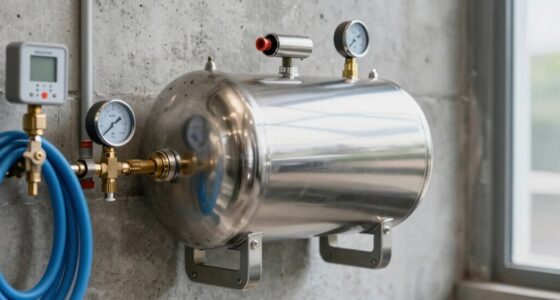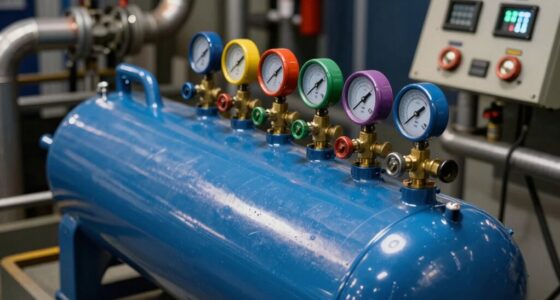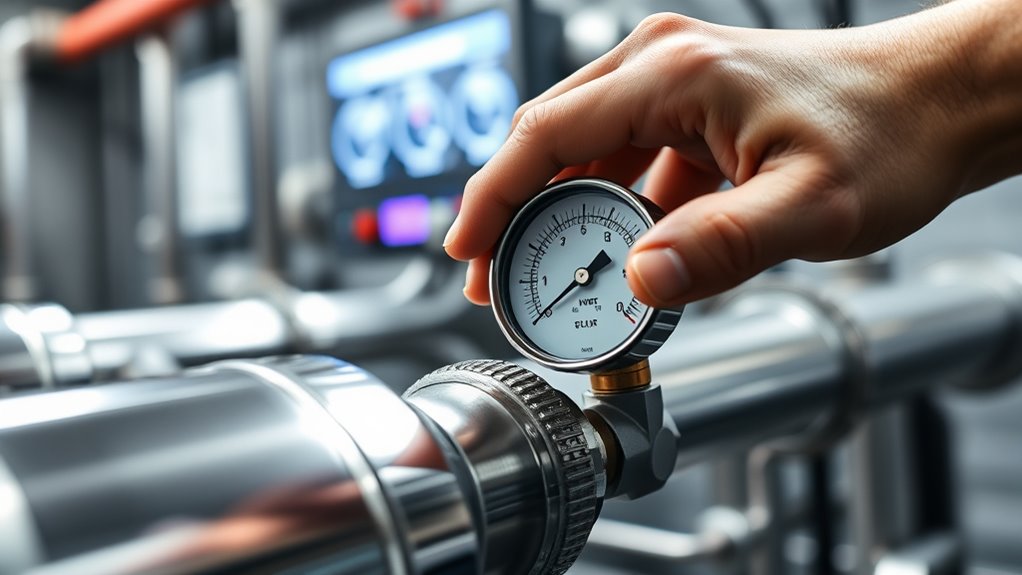

Proper sizing of pipes and pumps is essential because it guarantees your system maintains adequate pressure and operates smoothly. If pipes are too narrow, resistance will increase, causing pressure drops and slowing flow. Oversized pumps can create pressure surges, damaging components, while undersized ones can’t keep up with demand. By choosing the right sizes, you reduce strain, prevent low pressure issues, and keep your system running efficiently—continue to discover how to optimize your setup effectively.

Get home appliances delivered free — and shop member deals
- Fast, free delivery on millions of items
- Access to Prime Big Deal Days deals on October 6–7
- Prime Video, Amazon Music and more included
Key Takeaways
- Proper sizing maintains steady flow and pressure, preventing low-pressure issues in the system.
- Correctly sized pipes and pumps reduce energy loss and operational strain.
- Proper component sizing minimizes wear, mechanical failures, and system leaks.
- Well-matched system parts prevent pressure surges and equipment damage.
- Accurate sizing ensures efficient operation, extending system lifespan and reducing maintenance costs.
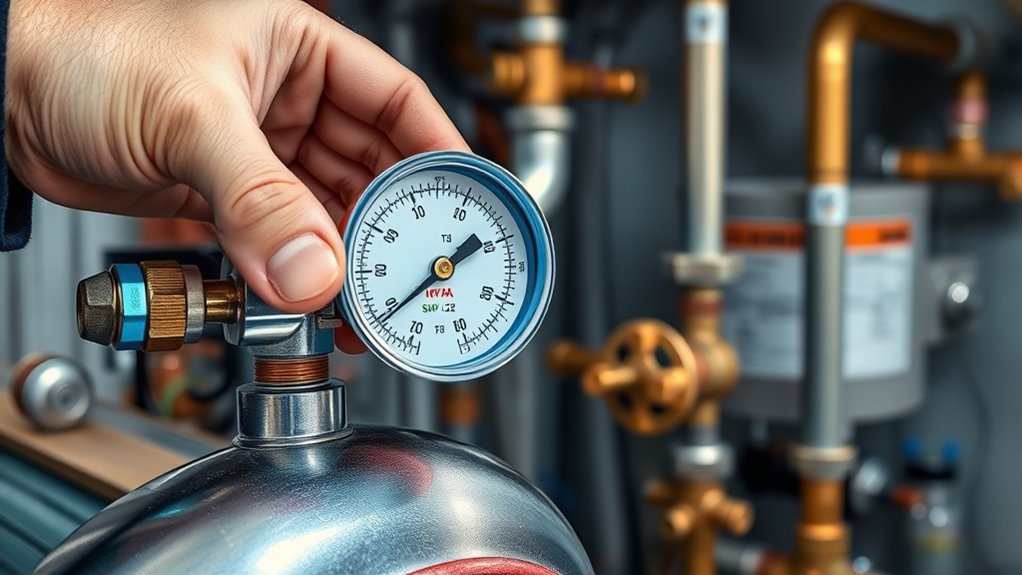
Have you ever experienced frustration because a piece of equipment didn’t perform as expected? Maybe you’ve dealt with low pressure issues or noticed your system constantly strains to keep up. These problems often stem from improper sizing, especially when it comes to pipe dimensions and pump capacity. When these elements aren’t correctly matched to your system’s needs, it can lead to inefficient operation, increased wear and tear, and ultimately, costly repairs. The key to avoiding these problems is understanding how proper sizing impacts overall performance.
Your pipe dimensions are a critical factor. If pipes are too narrow, they create excessive resistance, which reduces water or fluid flow and causes pressure drops. Conversely, pipes that are too wide can lead to unnecessary costs and may not provide the pressure needed for your system to operate effectively. Precise pipe sizing ensures that the flow rate remains steady and pressure stays within ideal limits. When the pipe dimensions are properly calculated, the system can deliver the right amount of fluid with minimal energy loss, preventing low-pressure issues that frustrate users and hinder productivity. Additionally, considering the contrast ratio of your system can help optimize the visual and operational performance of connected components.
Proper pipe sizing ensures steady flow and optimal pressure, preventing inefficiencies and system failures.
Similarly, pump capacity plays an essential role in system performance. An undersized pump can struggle to generate enough pressure to move fluids efficiently through the system, leading to insufficient flow and frequent drops in pressure. On the other hand, an oversized pump wastes energy and can cause excessive wear on system components. It might also create pressure surges that damage pipes or valves. The goal is to select a pump with the appropriate capacity that matches your system’s demands. This means considering factors like flow rate, head height, and the specific needs of your process. When pump capacity aligns with your system requirements, it ensures smooth operation, consistent pressure, and prolonged equipment life.
Proper sizing isn’t just about avoiding immediate issues; it’s about long-term system health. When pipe dimensions and pump capacity are correctly matched, you reduce strain on the entire network. This balance minimizes the risk of leaks, bursts, and mechanical failures. It also reduces energy consumption, saving you money over time. Neglecting proper sizing can cause a cascade of problems—low pressure, equipment failure, and increased operational costs—that could have been avoided with careful planning.
As an affiliate, we earn on qualifying purchases.
Frequently Asked Questions
How Often Should System Sizing Be Re-Evaluated?
You should re-evaluate your system sizing during regular maintenance scheduling, ideally every 1 to 2 years, or if you notice pressure drops or performance issues. Conduct system calibration to guarantee accuracy and efficiency. Changes in usage, system upgrades, or environmental factors also warrant re-assessment. Regular evaluations help prevent low pressure problems and system strain, keeping your setup running smoothly and extending its lifespan.
Can Improper Sizing Cause Long-Term Equipment Damage?
Yes, improper sizing can cause long-term equipment damage. When systems are too small or large, they work harder, reducing equipment lifespan and increasing wear and tear. This also impacts energy efficiency, leading to higher utility bills. Over time, the strain from improper sizing accelerates component failure and decreases overall system reliability. Ensuring correct sizing helps protect your investment, improves energy efficiency, and extends the lifespan of your equipment.
What Signs Indicate a System Is Under or Over-Sized?
You notice damp indoor air and noisy operation—that’s a sign your system might be under- or over-sized. When a system is too small, it struggles to maintain comfort, causing frequent cycling and humidity issues. Over-sized units may short-cycle, leading to loud noises and uneven temperatures. Both scenarios strain your equipment, reduce efficiency, and can cause long-term damage. Stay alert to these signs, and get your system properly sized for peak performance.
Are There Industry Standards for Proper System Sizing?
Yes, there are industry standards for proper system sizing. You should follow guidelines that involve precise duct dimensions and capacity calculations to guarantee ideal performance. Properly sized ducts help maintain consistent airflow and pressure, preventing system strain. Always consult established standards like ACCA Manual D or industry-specific codes, and perform accurate capacity calculations to match your system’s requirements, ensuring efficiency and longevity.
How Does Climate Affect Proper System Sizing Requirements?
Climate considerations substantially influence proper system sizing because temperature fluctuations affect your system’s performance. In colder climates, you’ll need a larger capacity to handle increased heating demands, while in warmer regions, cooling needs dominate. Seasonal adjustments are essential to guarantee efficiency year-round. By accounting for climate variations, you prevent low pressure issues and system strain, guaranteeing consistent comfort and ideal operation regardless of weather changes.
pump capacity for plumbing system
As an affiliate, we earn on qualifying purchases.
As an affiliate, we earn on qualifying purchases.
Conclusion
Proper sizing prevents low pressure and system strain, but neglecting it invites costly repairs and inefficiency. Think of your system as a finely tuned engine—when everything’s correctly matched, it runs smoothly and efficiently. But if you ignore sizing, you risk breakdowns and wasted energy. So, don’t settle for just any setup; choose wisely. When your system’s right-sized, you enjoy comfort and savings—when it’s not, frustration and expenses follow. Make sizing your priority.
As an affiliate, we earn on qualifying purchases.
As an affiliate, we earn on qualifying purchases.
NFL season / tailgating Picks
team gear
As an affiliate, we earn on qualifying purchases.