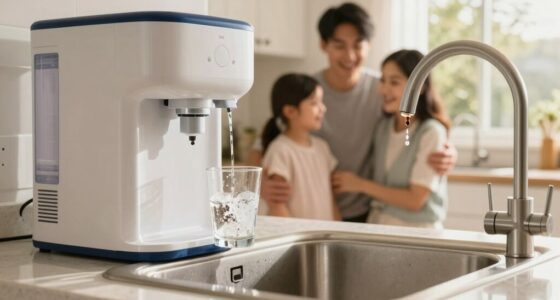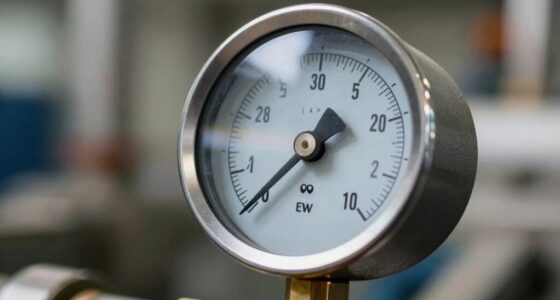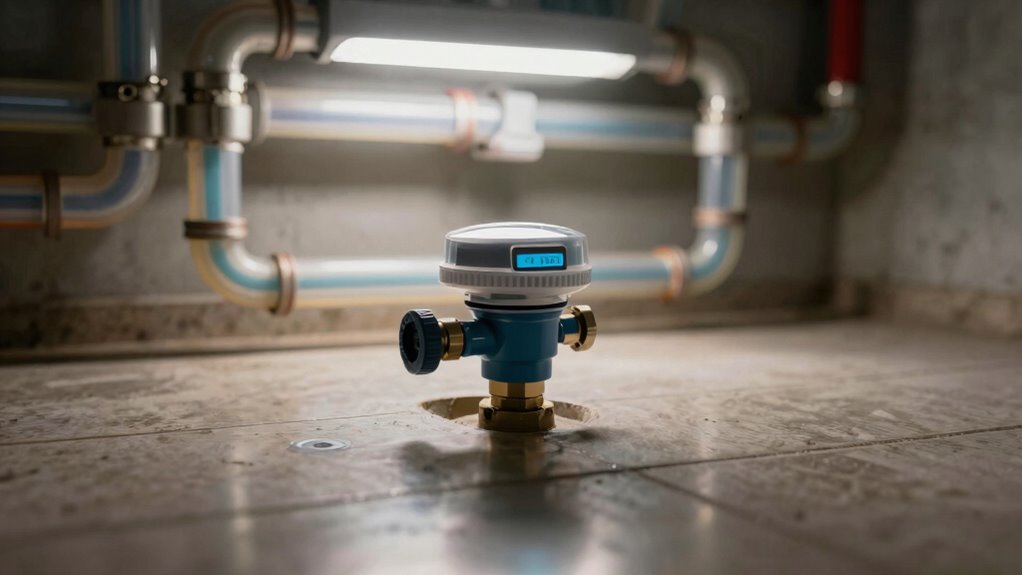
Before installing new fixtures or equipment, you need flow data to identify your home’s actual water use and spot issues like leaks or waste. This information helps you avoid unnecessary expenses and guarantees your upgrades target real problems. By understanding your flow patterns, you can make smarter decisions for efficiency and conservation. Keep exploring how flow data can save you money and improve your home’s plumbing performance even further.
Get ready for Prime Big Deal Days — try Prime free
Exclusive member deals on October 6–7, plus fast free delivery. Cancel anytime.
As an affiliate, we earn on qualifying purchases.
Key Takeaways
- Flow data identifies existing issues like leaks or inefficiencies before investing in new fixtures or appliances.
- It provides a baseline to assess specific water usage patterns and areas needing improvement.
- Accurate flow measurements prevent unnecessary equipment upgrades, saving costs and resources.
- Understanding current water flow helps tailor effective conservation strategies and targeted plumbing improvements.
- Data-driven insights ensure investments address actual problems, enhancing system performance and longevity.
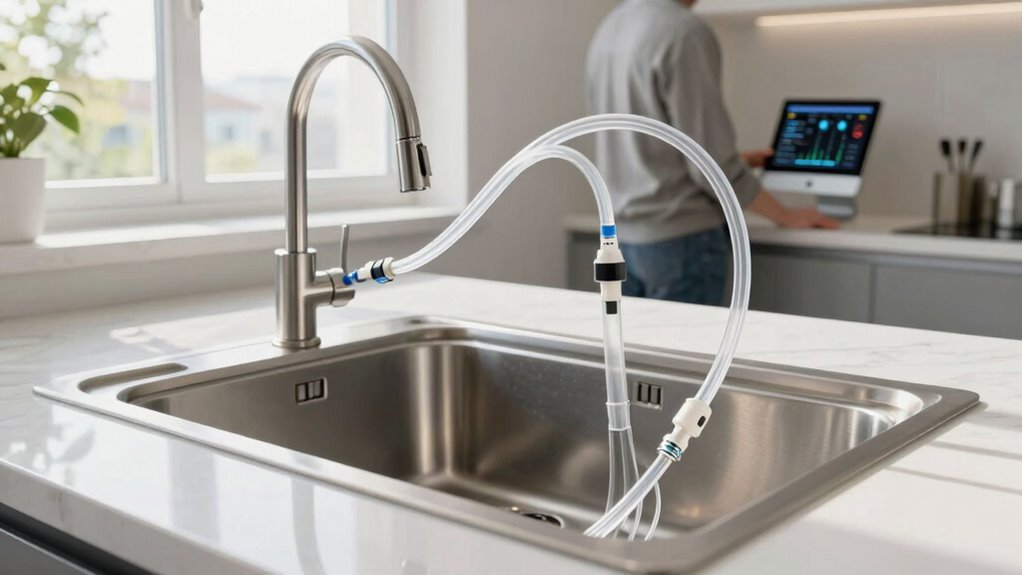
Have you ever wondered how much water flows through your home each day? Understanding your flow data is essential because it provides a clear picture of your household’s water usage, which is the first step toward effective water conservation. Instead of jumping straight into installing new fixtures or equipment, knowing your flow patterns helps identify where improvements are needed. When you have accurate flow data, you can make smarter decisions about plumbing efficiency, ensuring that every drop counts and reducing waste.
Understanding your home’s water flow helps identify improvements and promotes smarter, more efficient water use.
Many homeowners overlook the importance of flow data, assuming that all homes use water equally. But the truth is, water consumption varies widely based on habits, appliances, and plumbing systems. By analyzing your flow data, you can pinpoint areas where water is being overused or wasted. This insight allows you to target specific issues—like leaks or inefficient fixtures—before investing in new equipment. It’s a proactive approach that can save you money and conserve water in the long run.
Knowing your flow data also helps you understand the overall health of your plumbing system. If your flow measurements are inconsistent or unusually high, it might indicate hidden leaks or blockages. Catching these issues early prevents costly repairs and preserves plumbing efficiency. Plus, when you optimize your system based on real data, you reduce the strain on your pipes and appliances, extending their lifespan and maintaining peak performance. This data-driven approach is essential for long-term home maintenance. Recognizing the significance of accurate flow measurements can lead to better maintenance practices and more efficient resource management. Additionally, understanding how flow data relates to household water demand can help you better plan for future needs.
Another benefit of analyzing flow data is that it informs your water-saving strategies. For example, if you discover that a significant amount of water is consumed during specific times of day or for particular fixtures, you can adjust usage habits or upgrade to more efficient fixtures accordingly. This targeted approach maximizes the impact of water conservation efforts without unnecessary expenses. It also helps you set realistic goals and measure progress over time, making conservation a manageable and rewarding process. Moreover, knowing your flow data can help you identify opportunities for implementing smart water management systems, which further optimize usage and efficiency.
Ultimately, understanding your flow data empowers you to make informed decisions about your home’s plumbing. Instead of rushing into equipment upgrades, you can focus on fixing underlying issues and improving efficiency first. This ensures that your investments are effective and sustainable. By prioritizing data collection and analysis, you’re taking a smart, responsible step toward reducing water waste, lowering bills, and preserving valuable resources for the future. Recognizing the importance of flow data as a foundational element can significantly enhance your overall water management strategy.
As an affiliate, we earn on qualifying purchases.
Frequently Asked Questions
How Does Flow Data Improve Home Energy Efficiency?
Flow data improves your home’s energy efficiency by revealing how much water flows through your system, helping you identify leaks or wastage. With this information, you can optimize your system for better water conservation and energy use. By understanding flow patterns, you can adjust or upgrade components, reducing unnecessary energy consumption and promoting a more sustainable, cost-effective home environment.
What Tools Are Used to Collect Flow Data?
You use flow sensors to collect flow data, which measure water or air movement within your home. These sensors send real-time information to data analysis tools, helping you identify inefficiencies. With accurate flow data, you can pinpoint areas needing improvement before installing new equipment. This proactive approach guarantees your home’s systems operate at their best, saving energy and reducing costs. Flow sensors and data analysis are essential for making informed, effective upgrades.
Can Flow Data Identify Hidden Plumbing Issues?
Did you know that up to 15% of household water use is lost to leaks? Flow data can definitely help identify hidden plumbing issues. By analyzing flow patterns, you can detect leaks early, aiding in leak detection and evaluating pipe integrity. This proactive approach prevents costly repairs later on, ensuring your plumbing system stays reliable and efficient. Flow data is an essential tool for uncovering problems that aren’t visible on the surface.
How Often Should Flow Data Be Monitored?
You should monitor flow data regularly, especially if you notice fluctuating water pressure or suspect pipe issues. Frequent checks, such as quarterly or biannually, help you catch problems early and assess pipe integrity. Consistent monitoring guarantees your plumbing remains efficient, preventing leaks or damage. By staying proactive, you maintain peak water flow, avoid costly repairs, and keep your home’s plumbing system in good shape.
Is Flow Data Necessary for New Home Construction?
Yes, flow data is necessary for new home construction. It helps you identify potential plumbing issues early, guaranteeing efficient plumbing maintenance from the start. By monitoring water flow, you can optimize water conservation, reducing waste and lowering utility bills. Incorporating flow data into your planning ensures your plumbing system is designed correctly, preventing future problems and promoting sustainable water use throughout your home’s lifespan.
leak detection water flow sensor
As an affiliate, we earn on qualifying purchases.
As an affiliate, we earn on qualifying purchases.
Conclusion
Think of flow data as the map that guides your home’s plumbing journey. Without it, you’re steering blindly, risking missteps or inefficiencies. Gathering this data first is like charting a course before setting sail—ensuring your equipment fits perfectly and performs at its best. When you prioritize flow data, you’re not just fixing problems; you’re guiding your home toward ideal comfort and efficiency, like a captain confidently charting familiar waters.
As an affiliate, we earn on qualifying purchases.
plumbing flow data analysis device
As an affiliate, we earn on qualifying purchases.
As an affiliate, we earn on qualifying purchases.
Fall yard work Picks
leaf blowers
As an affiliate, we earn on qualifying purchases.