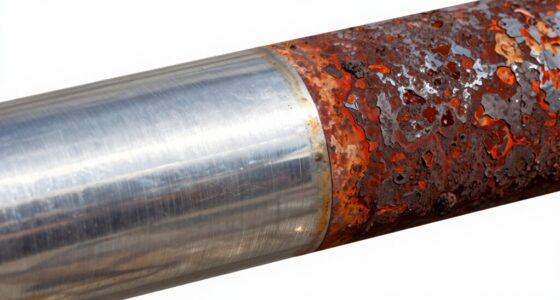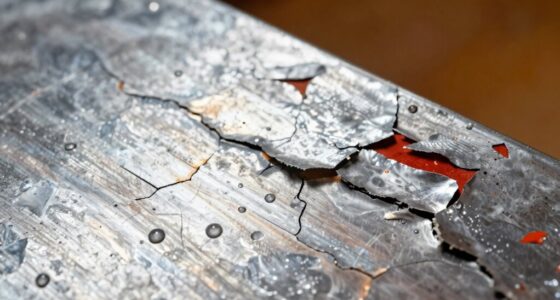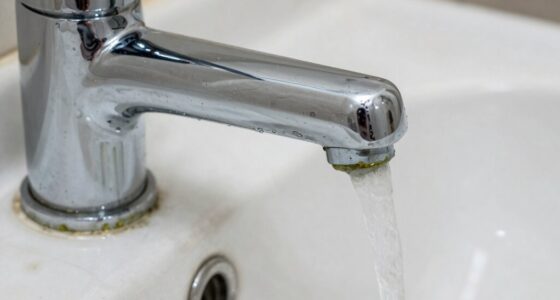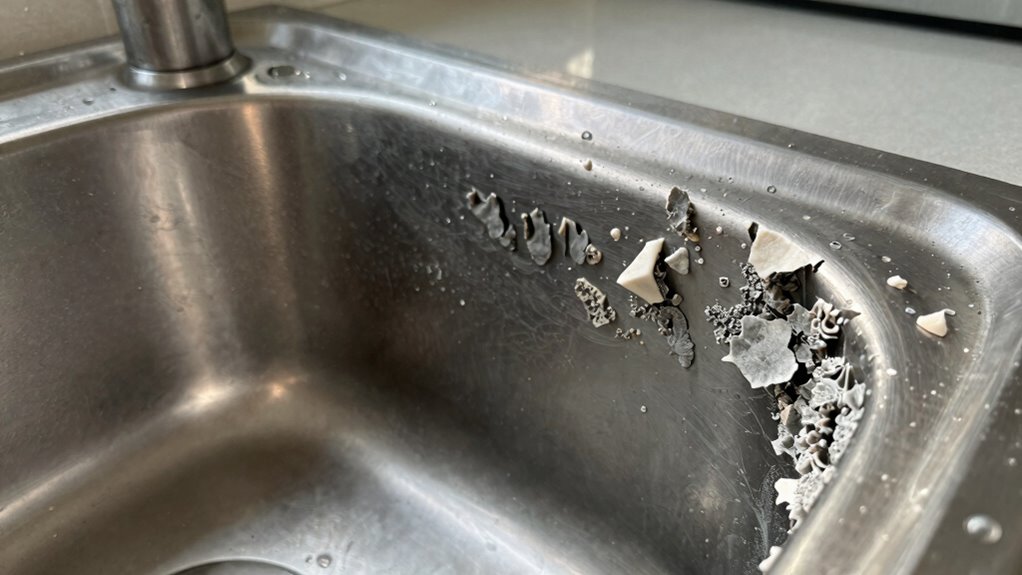

You’ll usually see a white, flaky scale pattern forming on your kitchen fixtures and appliances when mineral buildup from hard water begins. It often appears around faucets, sinks, and appliance bases, creating a crusty film over time. This buildup can clog water lines and make appliances work harder. If you keep ignoring it, the problem will worsen. Keep going to discover ways to prevent and remove this common kitchen issue before it damages your appliances.
Listen free for 30 days with Audible
Thousands of audiobooks and originals — cancel anytime.
As an affiliate, we earn on qualifying purchases.
Key Takeaways
- Scale patterns often begin as white, flaky deposits on fixtures like faucets and sinks.
- They primarily consist of calcium and magnesium from hard water exposure.
- Mineral buildup can form crusty films over time if not cleaned regularly.
- Scale tends to accumulate around appliance bases, such as kettles and dishwashers.
- Early signs include reduced appliance efficiency and visible white patches on surfaces.
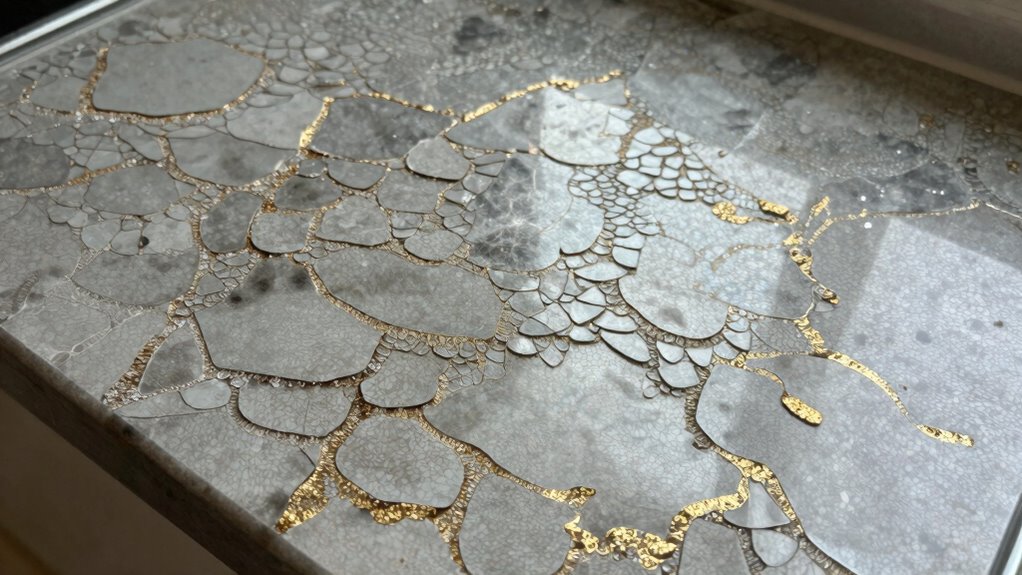
If you’ve ever noticed white, flaky patches on your kitchen fixtures or appliances, you’re likely dealing with mineral buildup caused by hard water. This scale pattern often appears first on surfaces that frequently encounter water, such as faucets, sinks, and around the base of appliances. Over time, the minerals—mainly calcium and magnesium—settle and create a crusty film that’s tough to remove if ignored. You might think it’s just a cosmetic issue, but these deposits can interfere with appliance functionality and even compromise your cooking techniques. Recognizing and addressing this scale pattern early can save you headaches and extend the life of your kitchen gadgets.
White, flaky patches from mineral buildup can harm appliances and affect cooking if ignored.
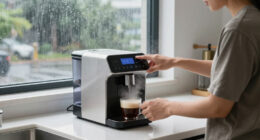
In the domain of appliance maintenance, mineral buildup is a common enemy. It can clog water lines, reduce efficiency, and cause appliances to work harder than they should. For example, if your kettle or coffee maker starts taking longer to heat water or if your dishwasher isn’t cleaning dishes thoroughly, mineral deposits could be the culprit. Regularly descaling appliances with vinegar or commercial cleaners is a simple but effective way to prevent the scale pattern from worsening. Incorporating routine maintenance into your cleaning schedule ensures that mineral buildup doesn’t hinder your appliances’ performance or longevity.
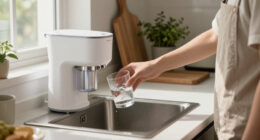
When it comes to cooking techniques, mineral deposits can subtly impact your food preparation. Hard water can alter the taste of your water, affecting recipes that rely on pure, clean water. Plus, if mineral buildup is present in your pots and pans, it can make cleaning more difficult and even cause staining. To combat this, you can use specific cooking techniques like soaking utensils in vinegar to loosen mineral deposits or using filtered water for cooking and brewing. These small adjustments can help preserve the quality of your dishes and prevent the scale pattern from spreading to your cookware. Additionally, understanding the water quality in your area can help you make informed decisions about water treatment options to prevent mineral buildup altogether.
Understanding the link between scale pattern formation and water quality empowers you to take control. Implementing preventive measures—such as installing water softeners, regularly cleaning appliances, and using appropriate cooking techniques—can minimize mineral buildup. By staying proactive, you’ll keep your kitchen fixtures shining, your appliances running smoothly, and your food tasting its best. Addressing the scale pattern isn’t just about appearance; it’s about maintaining a healthy, efficient, and enjoyable kitchen environment.
descaling vinegar for appliances
As an affiliate, we earn on qualifying purchases.
As an affiliate, we earn on qualifying purchases.
Frequently Asked Questions
What Types of Kitchen Scales Are Most Accurate?
You’ll find that digital kitchen scales are most accurate because they offer precision measurement and easy calibration techniques. Look for models with high sensitivity and a fine measurement resolution, like 0.1 grams. Regular calibration using standard weights guarantees consistent accuracy. Avoid analog scales, as they tend to be less precise. With proper calibration techniques, digital scales give you reliable measurements for all your culinary needs.
How Often Should I Calibrate My Kitchen Scale?
You should calibrate your kitchen scale regularly to guarantee accuracy. Typically, calibration frequency depends on usage; if you use it daily, check and recalibrate once a month. When the battery replacement becomes necessary, it’s a good time to recalibrate because power fluctuations can affect measurements. Regular recalibration maintains precision, prevents problems, and keeps your culinary creations consistently correct. Remember, consistent calibration keeps your scale dependable and your recipes reliable.
Can Kitchen Scales Measure Liquids Accurately?
Kitchen scales generally aren’t designed to measure liquids accurately, especially if they lack a tare function for containers. If you’re measuring spices or weighing herbs, they work well for small amounts but aren’t ideal for liquids. For liquids, use a liquid measuring cup for precision. Remember, a good kitchen scale helps with dry ingredients, but for liquids, depend on proper liquid measures to ensure accuracy.
Are Digital or Analog Scales Better for Cooking?
Digital scales are generally better for cooking because they offer precise measurements and quick readings. If you prefer a vintage design, some digital models feature a classic look while providing wireless functionality for convenience. Analog scales, however, can be more durable and don’t require batteries. Choose a digital scale if you want accuracy and modern features, or opt for an analog one if you prefer a timeless style and simplicity in your kitchen.
How Do I Clean and Maintain My Kitchen Scale?
Think of your kitchen scale as a trusted friend that needs care to keep serving you well. To clean it, gently wipe with a damp cloth and avoid submerging it in water—safeguarding your food safety. Store it in a dry, dust-free spot, and check the batteries regularly. Proper maintenance guarantees accurate measurements, so your culinary creations stay precise and delicious, like a well-tuned instrument in your kitchen symphony.
hard water mineral deposit remover
As an affiliate, we earn on qualifying purchases.
As an affiliate, we earn on qualifying purchases.
Conclusion
Now that you’ve noticed the scale pattern starting in your kitchen, you’re probably on the brink of a cleaning frenzy. Don’t let this tiny sign turn into a monstrous mess—think of it as a warning shot from your appliances, begging for attention. Tackling it now will save you from a future chaos so wild, it could rival a tornado. Stay vigilant, act quickly, and keep your kitchen looking pristine—before those scale patterns release their full potential!
As an affiliate, we earn on qualifying purchases.
As an affiliate, we earn on qualifying purchases.
NFL season / tailgating Picks
team gear
As an affiliate, we earn on qualifying purchases.