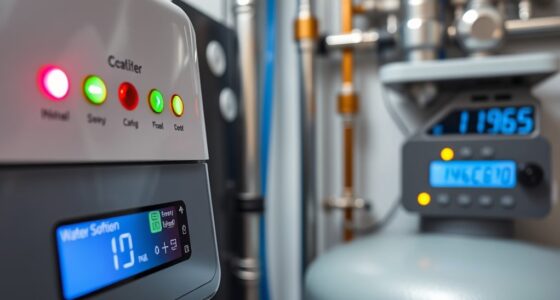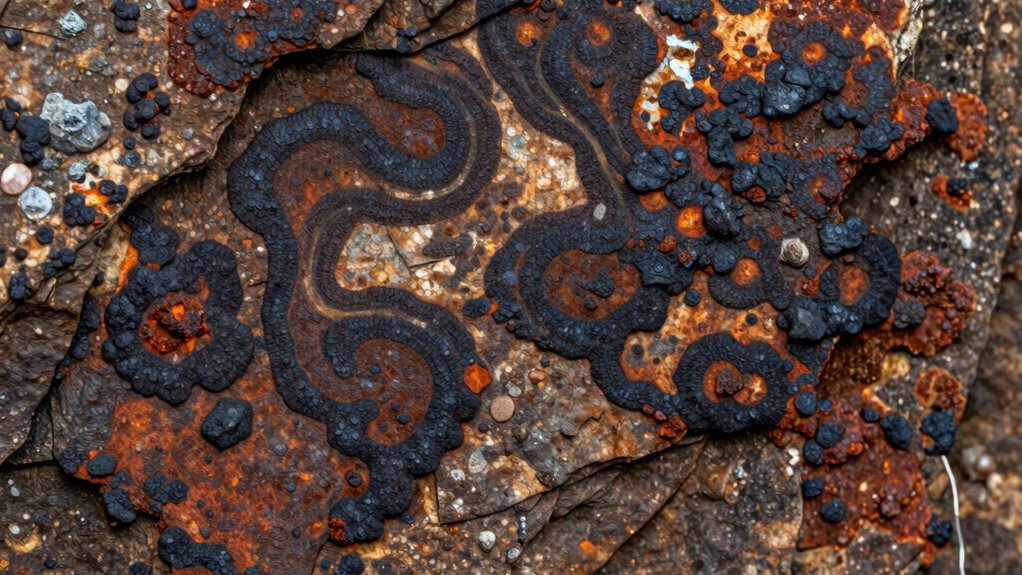

Manganese stains are harder to remove than iron because manganese creates dense, chemically resistant deposits that cling tightly to surfaces. Unlike iron, which forms easier-to-clean rust, manganese forms tough, dark layers that penetrate and bond with materials, making standard cleaning methods less effective. The oxidation process also makes manganese deposits more stable and less soluble, causing stubborn stains. Keep going to discover more about why manganese stains are especially challenging to tackle.

Get home appliances delivered free — and shop member deals
- Fast, free delivery on millions of items
- Access to Prime Big Deal Days deals on October 6–7
- Prime Video, Amazon Music and more included
Key Takeaways
- Manganese oxidizes into dense, blackish deposits that adhere strongly to surfaces, making removal more difficult.
- Manganese forms chemically resistant layers that penetrate surfaces, unlike iron stains, which are more soluble and easier to scrub.
- Manganese deposits are less soluble and more stable, resisting standard cleaning agents and requiring harsh chemicals or professional methods.
- Oxidation of manganese accelerates with oxygen, leading to stubborn, long-lasting stains in stagnant or high water usage areas.
- Proper water treatment reduces manganese levels, preventing the formation of durable, hard-to-remove manganese stains.
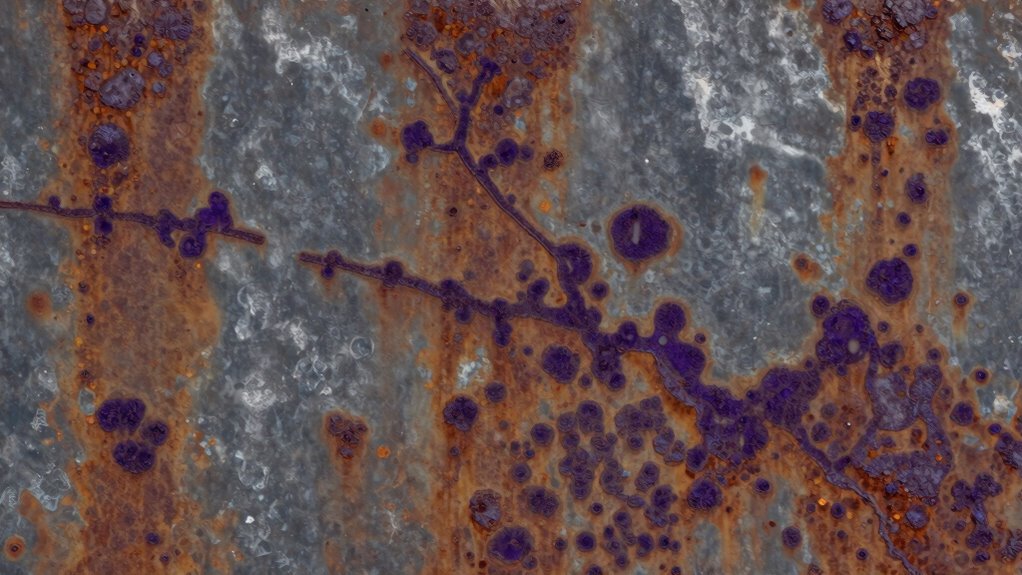
Manganese stains are common discolorations that appear on fixtures, appliances, and surfaces when water containing high levels of manganese interacts with these materials. Unlike iron stains, which are often reddish-brown and relatively simpler to clean, manganese stains tend to be darker, more stubborn, and more challenging to remove. This difference is largely due to the chemical properties of manganese and how it reacts during water treatment processes. When manganese-rich water flows through your plumbing or comes into contact with your fixtures, it can leave behind these unsightly marks that seem resistant to regular cleaning methods.
Manganese stains are darker, more stubborn discolorations caused by manganese-rich water interacting with surfaces.
In many cases, the difficulty in removing manganese stains stems from the fact that manganese tends to oxidize into solid deposits more readily than iron. This oxidation process creates a tough, blackish or dark brown film that adheres strongly to surfaces. These deposits are not just superficial; they penetrate the surface material, making cleaning more difficult. Because of this, water treatment becomes essential in preventing and managing industrial discoloration caused by manganese. Proper filtration systems, such as manganese removal filters or oxidation-adsorption media, can substantially reduce manganese levels in your water supply. Without such treatment, manganese deposits will continue to build up, leading to persistent staining and potential damage to appliances and fixtures over time.
You might notice that manganese stains often appear in areas with high water usage or where water sits still for extended periods. This is because manganese oxidation accelerates when exposed to oxygen, which is abundant in the air. Once manganese deposits form, they are notoriously resistant to standard cleaning agents. Using harsh chemicals or abrasive scrubbing might improve the situation temporarily, but it rarely provides a long-lasting solution. Instead, a targeted approach involving water treatment and professional cleaning methods is necessary to eliminate these stains effectively.
Understanding why manganese stains are more difficult than iron involves recognizing their chemical stability and how they interact with surfaces. Iron stains tend to be more soluble and easier to scrub away, whereas manganese forms dense, dark layers that are more chemically resistant. This complexity makes industrial discoloration caused by manganese particularly frustrating to deal with. To prevent ongoing issues, you should consider implementing water treatment solutions designed specifically to reduce manganese concentrations before they cause staining problems. These measures not only improve the appearance of your fixtures and surfaces but also protect your plumbing and appliances from long-term damage associated with manganese buildup. Additionally, being aware of the oxidation process involved can help in choosing the most effective cleaning and prevention strategies.
As an affiliate, we earn on qualifying purchases.
Frequently Asked Questions
Can Manganese Stains Be Completely Removed From All Surfaces?
Manganese stains can often be difficult to remove completely from all surfaces. You’ll need specific surface cleaning techniques and effective manganese removal products tailored to the material. For best results, act quickly, use proper cleaning agents, and follow manufacturer instructions carefully. Keep in mind that some surfaces may retain traces of manganese despite thorough cleaning, making it challenging to achieve total stain removal everywhere.
Are There Environmentally Friendly Methods to Treat Manganese Stains?
You can tackle manganese stains with environmentally friendly methods, like biodegradable cleaners and natural stain removers. Picture a gentle rain washing away stubborn dirt—these eco-friendly solutions work similarly, breaking down stains without harming the environment. Use plant-based or mineral-based products designed for manganese, and you’ll find your surfaces restoring their natural shine without toxic chemicals. It’s a greener choice that’s just as effective for cleaning your home responsibly.
How Long Does It Typically Take to Remove Manganese Stains?
It usually takes anywhere from a few minutes to a few hours to remove manganese stains, depending on their severity. Your stain removal process involves using effective cleaning techniques like applying a manganese-specific cleaner or a poultice, then scrubbing gently. Patience is key, as manganese stains are tougher than iron and may require repeated treatments. Always follow product instructions to guarantee safe and successful stain removal.
Do Manganese Stains Pose Any Health Risks?
Manganese stains can be like hidden threats lurking in your home. While exposure to high levels of manganese toxicity is rare through stained surfaces, prolonged contact may pose health risks, especially for vulnerable groups. You should take health precautions by wearing gloves and ensuring proper ventilation during cleaning. If ingested or inhaled in large amounts, manganese can affect your nervous system, so stay cautious and address stains promptly.
What Are the Best Prevention Strategies for Manganese Staining?
To prevent manganese staining, you should start with effective water filtration systems that remove manganese before it reaches surfaces. Applying preventive coatings on surfaces prone to staining can also help, creating a barrier that resists deposits. Regular maintenance and monitoring water quality guarantee manganese levels stay low. Combining water filtration with protective coatings offers the best defense, reducing the chances of stubborn manganese stains forming and making cleanup easier if they do.
As an affiliate, we earn on qualifying purchases.
Conclusion
Think of manganese stains as elusive shadows in a castle’s dark corridors—tricky to chase down and even trickier to remove. Like a master thief slipping past your defenses, manganese’s stubborn stains sneak in and cling tightly. But with patience and the right tools, you can outsmart this stealthy intruder. Remember, understanding its elusive nature helps you conquer it. Stay vigilant, and soon those stubborn stains will be nothing more than a faded ghost of their former self.
industrial manganese stain cleaner
As an affiliate, we earn on qualifying purchases.
As an affiliate, we earn on qualifying purchases.
professional surface cleaning chemicals
As an affiliate, we earn on qualifying purchases.
As an affiliate, we earn on qualifying purchases.
Fall Picks
fall essentials
As an affiliate, we earn on qualifying purchases.