
To evaluate iron and manganese levels, start with testing your water through certified laboratories to get accurate results. Elevated minerals can stain fixtures, cause bad taste, and pose health risks like gastrointestinal or neurological issues. Monitoring helps you know when to treat your water, preventing plumbing damage and long-term health problems. Continued assessments ensure your water stays safe and clean—keep exploring to discover effective ways to manage these minerals effectively.
Key Takeaways
- Regular testing by certified labs detects fluctuations in iron and manganese concentrations.
- Elevated mineral levels cause water discoloration, staining, and unpleasant taste, impacting household aesthetics.
- Monitoring helps assess whether water treatment systems effectively reduce mineral levels to safe standards.
- Excessive iron and manganese pose health risks, including gastrointestinal issues and neurological effects.
- Long-term evaluation and treatment prevent plumbing damage, improve water quality, and protect household health.

Iron and manganese are essential minerals that can impact water quality and health if their levels are not properly monitored. When these minerals are present in drinking water at elevated levels, they can cause a range of issues that affect both the quality of your water and your well-being. Recognizing the importance of regular testing and appropriate water treatment is crucial to maintaining safe, clean water for your household.
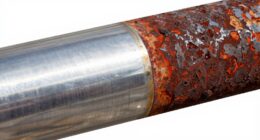
High concentrations of iron and manganese often lead to staining of laundry, plumbing fixtures, and sinks, creating an unsightly reddish or blackish discoloration. These deposits can clog pipes over time, reducing water flow and increasing the need for maintenance. Beyond aesthetic concerns, these minerals can also affect the taste and odor of your water, making it less appealing to drink and use for cooking.
From a health perspective, elevated iron levels are generally considered less harmful than manganese, but they can still pose risks if consumed in excessive amounts over long periods. Iron in water can cause gastrointestinal issues, such as stomach cramps or diarrhea, especially in sensitive individuals. Manganese, however, warrants more attention because high levels have been linked to neurological problems, developmental delays in children, and other health concerns. Chronic exposure to manganese in drinking water has been associated with cognitive impairment and motor function issues, highlighting the need for careful monitoring. Additionally, natural mineral levels can vary depending on geographic location, making regular testing even more important to detect fluctuations.
Effective water treatment plays a critical role in controlling iron and manganese levels. Many systems use filtration methods such as oxidizing filters, ion exchange, or aeration to remove these minerals before the water reaches your tap. These methods are designed to reduce mineral concentrations to safe levels, preventing the health implications associated with their overexposure. Regular testing, typically performed by certified laboratories, helps you determine whether your water treatment system is functioning properly or needs adjustments.
Understanding the significance of evaluating iron and manganese levels empowers you to make informed decisions about your water quality. Ignoring these minerals can lead to long-term health issues and costly repairs or replacements of plumbing fixtures. By staying vigilant and using appropriate water treatment solutions, you minimize health risks and ensure your water remains clear, safe, and pleasant to use. Monitoring and controlling iron and manganese levels is an essential step in safeguarding your household’s health and maintaining the integrity of your plumbing system.
Frequently Asked Questions
How Do Iron and Manganese Levels Vary Seasonally?
You’ll notice seasonal fluctuations in iron and manganese levels due to natural sources like rainfall, runoff, and groundwater flow. During rainy seasons, these levels often increase as water dissolves more minerals from soil and rocks. In dry periods, levels tend to decrease because less water flows through natural sources. These variations impact water quality and need regular monitoring to manage any potential health or infrastructure issues effectively.
What Are the Health Implications of Low Iron and Manganese?
When your iron and manganese levels are low, you face nutritional deficiencies that can cause fatigue, weakened immunity, and cognitive issues. You also risk toxicity if levels fluctuate unexpectedly, leading to symptoms like anemia or neurological problems. Ignoring these deficiencies can worsen health over time, so maintaining balanced levels is essential. Prioritize proper intake through diet or supplements, and consult healthcare professionals to prevent both deficiencies and toxicity risks.
Can Water Treatment Methods Remove Both Iron and Manganese Effectively?
Yes, water treatment methods can effectively eliminate both iron and manganese. You can use filtration technologies like activated carbon filters, greensand filters, or iron removal filters designed specifically for these metals. Chemical dosing, such as adding oxidizers like chlorine or potassium permanganate, helps convert iron and manganese into insoluble forms that filtration can trap. Combining these techniques ensures your water stays clear and safe.
Are There Specific Industries Affected More by Iron and Manganese Levels?
You might think all industries face the same risks, but industrial applications like manufacturing and food processing are especially impacted by iron and manganese levels. Mining operations also feel the effects heavily, as contaminated water can cause equipment corrosion and product quality issues. Addressing these levels is essential to prevent costly damage and guarantee product safety, making it indispensable for these industries to monitor and control iron and manganese in their water sources.
How Do Iron and Manganese Interact With Other Trace Elements?
You should know that iron and manganese interact with other trace elements through mineral competition and trace element synergy. They often compete for absorption sites in your body or treatment systems, which can affect the levels of elements like zinc or copper. This interaction influences how efficiently your body or processes utilize these minerals, so understanding these dynamics helps optimize nutrient balance and prevent deficiencies or excesses.
Conclusion
As you assess iron and manganese levels, remember they’re like the delicate threads holding the fabric of your water quality together. When balanced, they support a healthy, vibrant environment; when out of tune, they can unravel everything. Stay vigilant and proactive, because your water’s harmony depends on your careful attention. By understanding their effects, you’re the gardener tending a precious garden, ensuring it flourishes with clarity and purity.