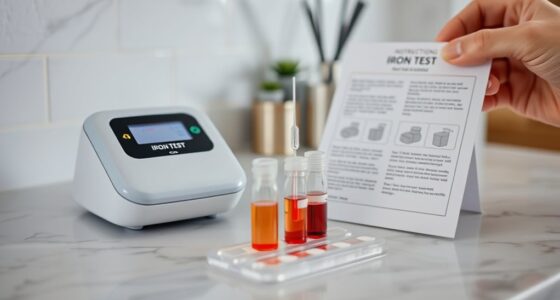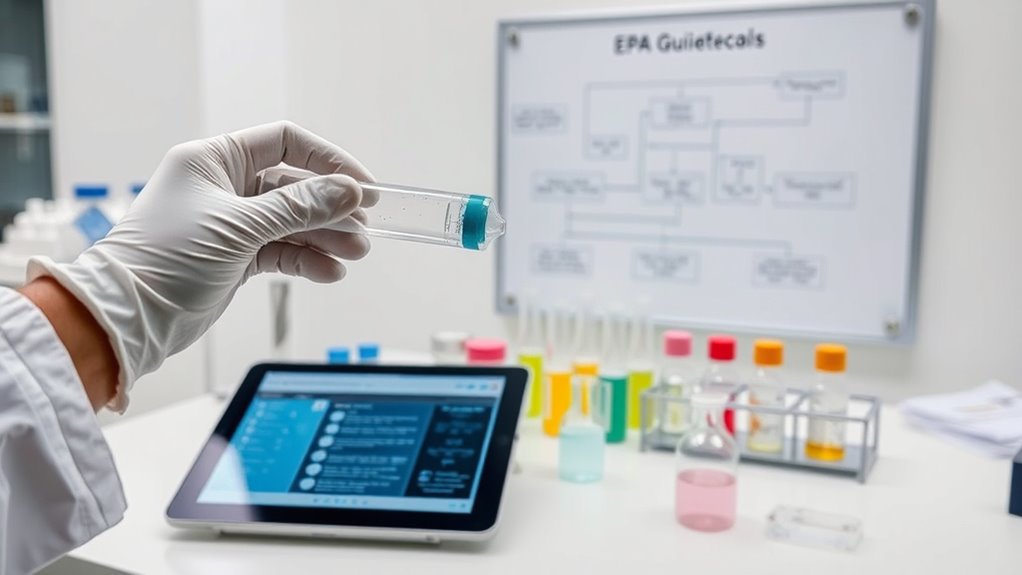

To understand EPA’s minimum testing requirements, you need to follow their established protocols for safety, effectiveness, and environmental impact. This involves conducting scientifically valid, repeatable tests that mimic real-world conditions and evaluate toxicity, durability, and exposure. Proper testing helps identify safety issues early, guaranteeing your product meets standards efficiently. Staying aligned with EPA recommendations not only simplifies approval processes but also protects your reputation. Keep exploring further details to ensure your product’s compliance and success.
Key Takeaways
- EPA recommends standardized testing protocols to ensure product safety, effectiveness, and environmental compliance before market approval.
- Conduct tests that simulate real-world conditions to produce credible and comparable data for regulatory review.
- Early familiarization with testing standards helps prevent costly delays and aligns product development with EPA requirements.
- Proper testing verifies safety, durability, and exposure levels, reducing risks of recalls, legal issues, and reputation damage.
- Adhering to EPA guidelines ensures systematic evaluation, streamlining approval processes and demonstrating compliance efficiently.

Have you ever wondered what it takes to meet the minimum testing requirements for a product or system? The process starts with understanding the specific testing protocols that are designed to ensure a product performs safely and reliably. These protocols are detailed procedures established by regulatory agencies, such as the EPA, to evaluate whether a product meets the necessary safety standards before it reaches consumers or the environment. When you’re working on developing or importing a product, knowing these protocols helps you prepare for the kind of testing required to demonstrate compliance. They typically include a series of experiments, measurements, and assessments that verify the product’s safety, effectiveness, and environmental impact.
The EPA’s recommendations emphasize that testing should be thorough and standardized, following established safety standards that are recognized across the industry. These safety standards serve as benchmarks, ensuring that products are not only effective but also pose minimal risk to users and the environment. As someone responsible for compliance, you need to familiarize yourself with these standards early in the development process. This way, you can align your testing procedures accordingly, avoiding costly rework or delays later on. Following proper testing protocols means you systematically evaluate all relevant aspects—such as toxicity, durability, and environmental exposure—using methods that are scientifically valid and repeatable. This approach guarantees that your results are credible and defensible if questioned by regulators.
Implementing the right testing protocols also helps you identify potential safety issues before your product hits the market. This proactive approach reduces the risk of recalls, legal liabilities, or damage to your reputation. The EPA’s recommendations highlight that testing should be designed to simulate real-world conditions as closely as possible, providing an accurate picture of how the product will perform in everyday use. By adhering to these protocols, you ensure that your testing data is consistent and comparable, making it easier to demonstrate compliance with safety standards. Additionally, understanding air purifier maintenance and the importance of proper filter replacement can help you ensure your product remains effective over time. Furthermore, thorough testing according to these guidelines can streamline your approval process, saving you time and resources in the long run.
Frequently Asked Questions
How Often Should Testing Requirements Be Reviewed or Updated?
You should review your test schedule and update testing requirements at least every one to two years. Regular review guarantees compliance with current standards and adapts to any changes in regulations or environmental conditions. Staying proactive helps you identify when updates are needed, maintaining the accuracy and effectiveness of your testing program. Consistent review frequency also minimizes risks of non-compliance and keeps your operations aligned with EPA recommendations.
Are There Specific Industries With Stricter Testing Standards?
You’ll find that industries like pharmaceuticals and aerospace face stricter testing standards—over 80% of companies in these sectors report double the compliance efforts compared to others. These industry regulations compel businesses to adopt rigorous testing protocols, ensuring safety and effectiveness. To stay compliant, develop robust compliance strategies that include regular testing updates, employee training, and detailed documentation, helping you meet the most demanding standards and avoid costly penalties.
What Are the Consequences of Non-Compliance With EPA Testing?
If you don’t comply with EPA testing, you risk environmental penalties, fines, and legal actions that can harm your business reputation. Non-compliance can also lead to stricter regulations and increased scrutiny. To avoid these consequences, develop effective compliance strategies like regular testing, thorough recordkeeping, and staying updated on EPA guidelines. Staying proactive not only helps you meet requirements but also demonstrates your commitment to environmental responsibility.
How Can Small Businesses Meet Testing Requirements Cost-Effectively?
Did you know that small businesses often spend up to 30% more on compliance costs? To meet testing requirements cost-effectively, you should adopt cost-saving strategies like testing automation, which reduces labor and error. Additionally, prioritize essential tests and seek group testing options or partnerships to share expenses. These approaches help you stay compliant without overextending your budget, ensuring you maintain EPA standards efficiently and affordably.
Are There Exemptions for Certain Types of Facilities or Products?
You might qualify for exemptions like facility exemptions or product exceptions, which can reduce testing burdens. Facility exemptions apply to certain manufacturing setups, while product exceptions cover specific items that meet particular criteria. To determine if you’re eligible, review EPA guidelines carefully, and consider consulting with experts or regulators. These exemptions can help you save costs while still complying with necessary regulations, making your testing process more manageable.
Conclusion
Think of minimum testing requirements as the map guiding you through a dense forest. Without it, you risk getting lost or missing important signs. But with this map in hand, you navigate confidently, avoiding pitfalls and uncovering hidden treasures of knowledge. By understanding EPA recommendations, you become the skilled explorer, ensuring your journey is safe and successful. Embrace this guide, and you’ll traverse the testing landscape with clarity and purpose.