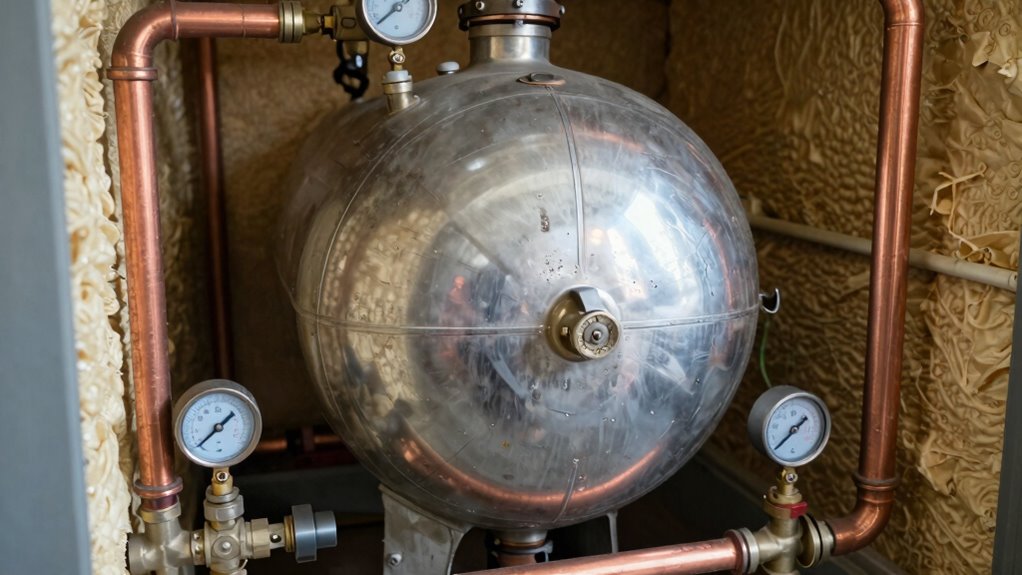

The main mistake that causes pump cycling misery is improperly adjusting or sizing your pressure tank. If the air pressure isn’t set correctly or the tank is too small, your pump will turn on and off frequently, wearing out faster and wasting energy. Properly maintaining and choosing the right tank size helps keep water pressure steady and reduces unnecessary pump cycles. Stay tuned to learn more about how to avoid this common mistake and improve your system’s performance.
Get ready for Prime Big Deal Days — try Prime free
Exclusive member deals on October 6–7, plus fast free delivery. Cancel anytime.
As an affiliate, we earn on qualifying purchases.
Key Takeaways
- Incorrect air pressure adjustments cause the pump to cycle excessively.
- Using an improperly sized tank leads to rapid pump on/off cycles.
- Failing to regularly check and maintain air pressure results in pressure fluctuations.
- Neglecting proper tank setup increases pump wear and energy consumption.
- Mismatched tank size and household demand cause inefficient pump operation and cycling misery.
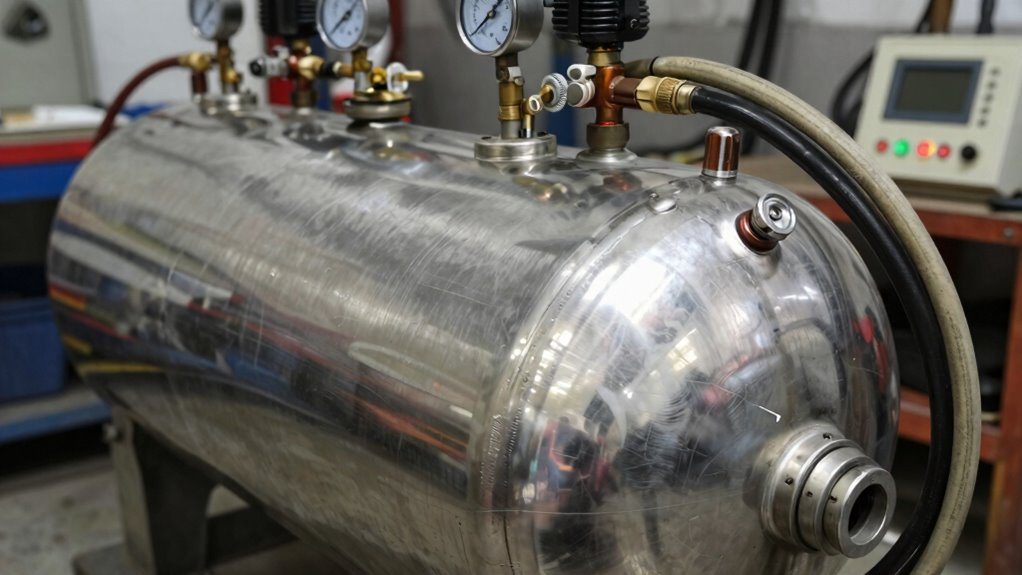
A common mistake with pressure tanks can cause your well pump to cycle on and off more frequently than necessary. This issue often stems from improper adjustments to the tank’s air pressure or choosing an incorrect tank size. When your pressure tank isn’t correctly set up, your pump has to work harder, turning on more often to compensate for the pressure fluctuations. It’s vital to understand that the tank acts as a buffer, maintaining steady water pressure and reducing the pump’s workload. If you neglect to match the tank size to your water demand or fail to set the proper air pressure, you’ll see your pump cycle excessively, leading to early wear and higher energy bills.
Tank size plays a key role in how your system functions. If your tank is too small for your household’s water usage, the pump will cycle frequently because the tank fills and empties quickly. Conversely, a tank that’s too large might cause the system to operate inefficiently, although this is less common. The right tank size depends on your water needs and flow rates. When selecting a tank, consider your household size and typical water consumption patterns. An appropriately sized tank ensures your pump runs less often, extending its lifespan and maintaining consistent water pressure. Additionally, understanding pressure tank components can help you troubleshoot and optimize your system effectively. Properly maintaining the air charge in your tank is also essential for preventing unnecessary cycling. Regularly checking and adjusting the air pressure can help avoid these issues and keep your system running smoothly. Furthermore, understanding system capacity can help you better match your tank size and water demand for optimal performance. Moreover, ensuring the correct air pressure is set can significantly improve the efficiency and longevity of your pressure tank.
pressure tank for well water system
As an affiliate, we earn on qualifying purchases.
As an affiliate, we earn on qualifying purchases.
Frequently Asked Questions
How Do I Know if My Pressure Tank Is the Problem?
To determine if your pressure tank is the problem, start with tank maintenance and pressure diagnostics. Check the tank’s air pressure with a gauge; it should be about 2 psi below the cut-in pressure. If the pressure is off or the tank feels waterlogged, it’s likely causing pump cycling issues. Regularly testing and maintaining your tank helps prevent these problems and guarantees your system runs smoothly.
Can a Faulty Pressure Tank Cause Water Quality Issues?
A faulty pressure tank can lead to water quality issues, including water contamination and tank corrosion. When the tank malfunctions, bacteria and sediments can accumulate, causing contamination. Corrosion inside the tank may introduce rust and particles into your water, degrading its quality. Regularly inspecting and maintaining your pressure tank helps prevent these problems, ensuring clean, safe water and extending the tank’s lifespan.
What Is the Lifespan of a Typical Pressure Tank?
A typical pressure tank lasts about 5 to 15 years, depending on tank material and installation location. Steel tanks tend to last longer than fiberglass, but corrosion can shorten their lifespan. Proper installation in a shaded, dry area helps prevent damage from weather and corrosion. Regular maintenance and inspections also extend your tank’s life, ensuring consistent water pressure and avoiding costly replacements prematurely.
How Often Should I Inspect or Replace My Pressure Tank?
You should inspect your pressure tank annually and replace it every 5 to 10 years, depending on tank size and installation location. Regular inspections help identify signs of wear or corrosion early. If you notice inconsistent water pressure or strange noises, consider replacing the tank sooner. Proper maintenance guarantees peak performance, especially if your tank is in a challenging installation location, helping prevent pump cycling issues and prolonging its lifespan.
Are There DIY Fixes for Pressure Tank Problems?
Yes, you can try DIY troubleshooting for pressure tank problems. Start with pressure tank maintenance by checking the air pressure using a tire gauge and adjusting it to the recommended level. Inspect for leaks, corrosion, or sediment buildup. If the tank’s bladder is damaged or the issues persist, replacing it might be necessary. Always turn off power and water supply before attempting repairs, and consult your manual for specific guidance.
pressure tank air pressure gauge
As an affiliate, we earn on qualifying purchases.
As an affiliate, we earn on qualifying purchases.
Conclusion
Ignoring your pressure tank’s proper size and maintenance might seem like a small oversight, but it can lead to relentless pump cycling—constant starts and stops that wear out your system. In trying to save a few bucks, you risk sacrificing peace and reliability. The true cost isn’t just in repairs; it’s in the frustration of interrupted water flow. Address the pressure tank mistake now, and enjoy steady water pressure—where simplicity and peace of mind meet.
As an affiliate, we earn on qualifying purchases.
As an affiliate, we earn on qualifying purchases.
Fall Picks
fall essentials
As an affiliate, we earn on qualifying purchases.