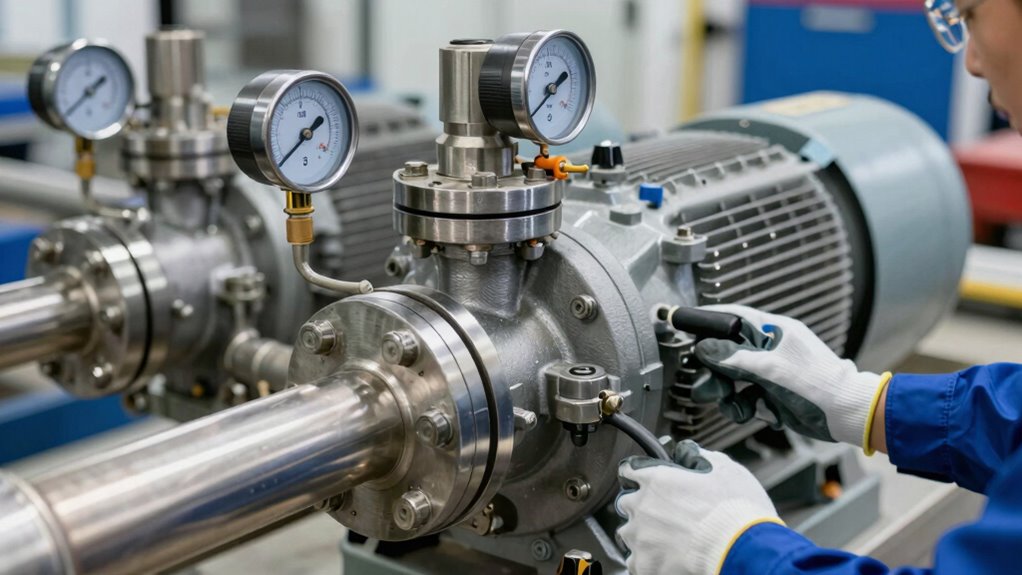

To catch pump failures before they happen, you should implement regular maintenance routines like seal inspections and vibration analysis. These steps help you identify early signs of wear, leaks, or mechanical issues that could lead to costly breakdowns. By monitoring vibration patterns and inspecting seals routinely, you can address problems proactively. Keep up with these practices, and you’ll markedly reduce downtime and repair costs—if you continue, you’ll discover more ways to keep your pumps running smoothly.
Key Takeaways
- Regularly inspect seals for leaks, cracks, or wear to prevent future failures.
- Perform vibration analysis to detect early signs of imbalance, misalignment, or bearing issues.
- Combine seal inspections with vibration checks for a comprehensive pump health assessment.
- Schedule maintenance proactively based on inspection and analysis results to avoid unexpected breakdowns.
- Maintain a routine maintenance program to extend pump lifespan and ensure reliable operation.
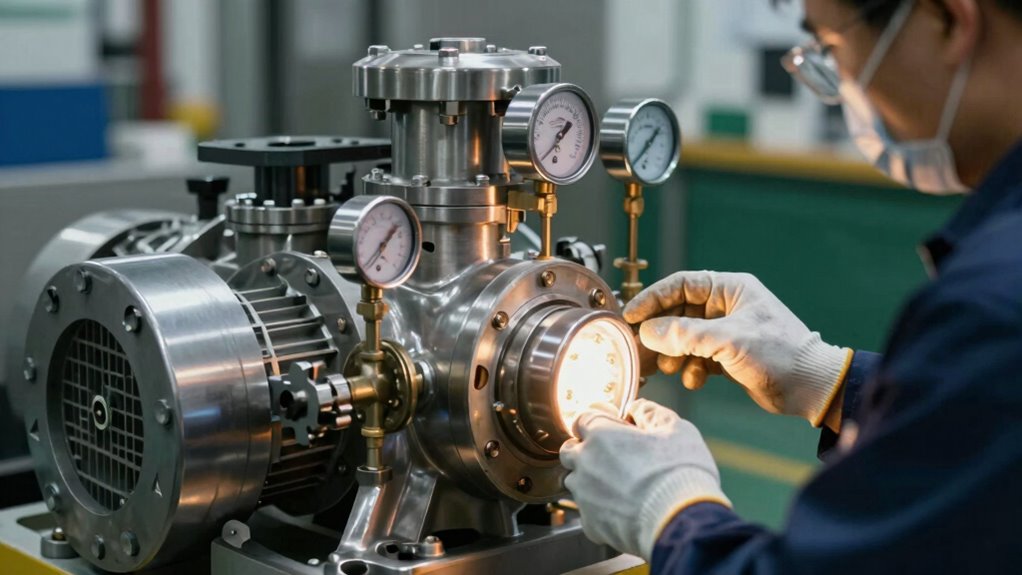
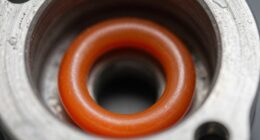
Have you ever wondered what keeps your pumps running smoothly and prevents costly breakdowns? It all starts with understanding the basics of pump maintenance and staying proactive. Regular inspections and analyses can catch issues before they escalate into expensive repairs or operational failures. One of the most critical maintenance tasks is seal inspection. Seals are essential for preventing leaks, maintaining pressure, and protecting internal components from contamination. Over time, seals can wear out, become brittle, or develop small cracks that compromise their effectiveness. By routinely inspecting seals, you can identify early signs of deterioration. Look for leaks, unusual noises, or vibrations that might indicate a failing seal. Replacing worn seals promptly can save you from more serious issues down the line, like shaft damage or fluid contamination, which can be costly and time-consuming to fix. Regularly checking air purification components such as filters and sensors can also enhance overall equipment longevity and performance.
Another crucial aspect of pump maintenance is vibration analysis. This technique involves measuring and analyzing the vibration patterns of your pump during operation. Unusual vibrations often signal underlying problems such as imbalance, misalignment, bearing wear, or cavitation. By performing vibration analysis regularly, you can detect these issues early, often before they affect performance or cause damage. The process typically involves attaching sensors to key points on the pump and monitoring the vibration frequencies and amplitudes. If you notice abnormal readings, it’s a clear sign that something needs attention. Addressing vibration issues early not only prevents breakdowns but also extends the lifespan of your equipment. It helps you plan maintenance more effectively, reducing downtime and costly emergency repairs.
Combining seal inspection with vibration analysis provides a thorough approach to pump health monitoring. While seal inspection focuses on the integrity of the sealing system, vibration analysis offers insights into the mechanical condition of the pump’s moving parts. Together, they give you a clearer picture of potential failure points. Staying on top of these maintenance practices means you can schedule repairs during planned outages rather than dealing with unexpected failures. It also helps optimize your maintenance budget by avoiding unnecessary part replacements and reducing downtime. Remember, catching small issues early through diligent inspection and analysis is always more cost-effective than waiting for a full-blown failure. Regularly scheduled inspections, coupled with vibration analysis, empower you to keep your pumps running efficiently, reliably, and safely—saving you time, money, and frustration in the long run.
Frequently Asked Questions
How Often Should Pump Maintenance Be Scheduled?
You should schedule pump maintenance every 3 to 6 months, depending on usage and environment. Regularly check your lubrication schedules and verify proper lubrication to prevent wear. Also, inspect for corrosion and implement prevention measures, especially if your pump operates in harsh conditions. Consistent maintenance helps catch potential issues early, reducing downtime and costly repairs. Adjust your schedule as needed based on pump performance and manufacturer recommendations.
What Are Signs of Imminent Pump Failure?
You should watch for signs of imminent pump failure like unusual vibration analysis readings, which indicate misalignment or bearing issues. Also, check seal integrity regularly; leaks or seepage can signal seal deterioration. If you notice increased noise, reduced flow, or overheating, these are warning signs. Addressing vibration problems early and maintaining seal integrity help prevent costly breakdowns and keep your pump running smoothly.
Can Pump Failure Be Prevented Entirely?
Think of your pump as a heartbeat—constant care keeps it healthy. While you can’t prevent every failure, implementing preventive strategies can markedly reduce risks. Regular inspections, lubrication, and monitoring vibrations are like check-ups for your pump. These failure prevention methods catch issues early, keeping your system running smoothly. Though total prevention isn’t guaranteed, diligent maintenance minimizes downtime and extends your pump’s lifespan, ensuring reliable performance.
Are There Eco-Friendly Pump Maintenance Options?
Yes, eco-friendly pump maintenance options exist. You can use sustainable lubricants to reduce environmental impact while ensuring smooth operation. Regular biodegradable cleaning helps prevent buildup and corrosion without harming ecosystems. By choosing these sustainable practices, you not only extend your pump’s lifespan but also contribute to a healthier planet. Implementing eco-conscious maintenance routines is a smart step toward environmentally responsible operation and long-term savings.
How Do Temperature Changes Affect Pump Performance?
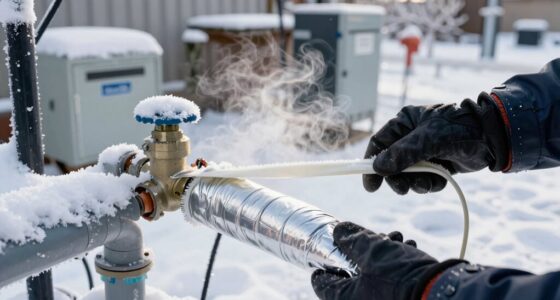
You might think temperature changes don’t impact your pump, but they definitely do. Thermal expansion can cause parts to expand or contract, affecting efficiency and risking damage. Regular temperature monitoring helps you spot issues early, preventing failures caused by overheating or freezing. By understanding how temperature swings influence your pump, you can maintain peak performance and extend its lifespan, saving you money and downtime.
Conclusion
By staying proactive with your pump maintenance, you can catch issues before they turn into costly failures—no need to wait for a ghost from the machine to haunt you. Regular checks and timely repairs keep your system running smoothly, saving you time and money. Remember, even in this digital age, a little old-fashioned vigilance can prevent a catastrophe. Don’t let your pump be the Titanic of your operation; catch problems early and keep things afloat.