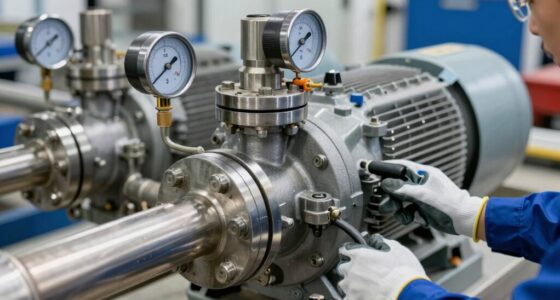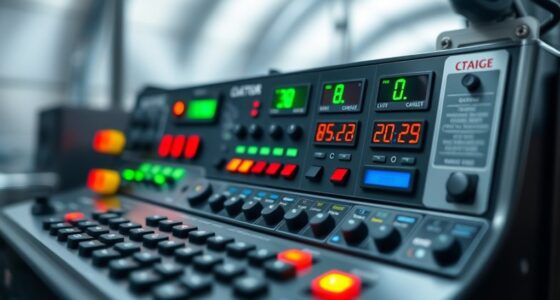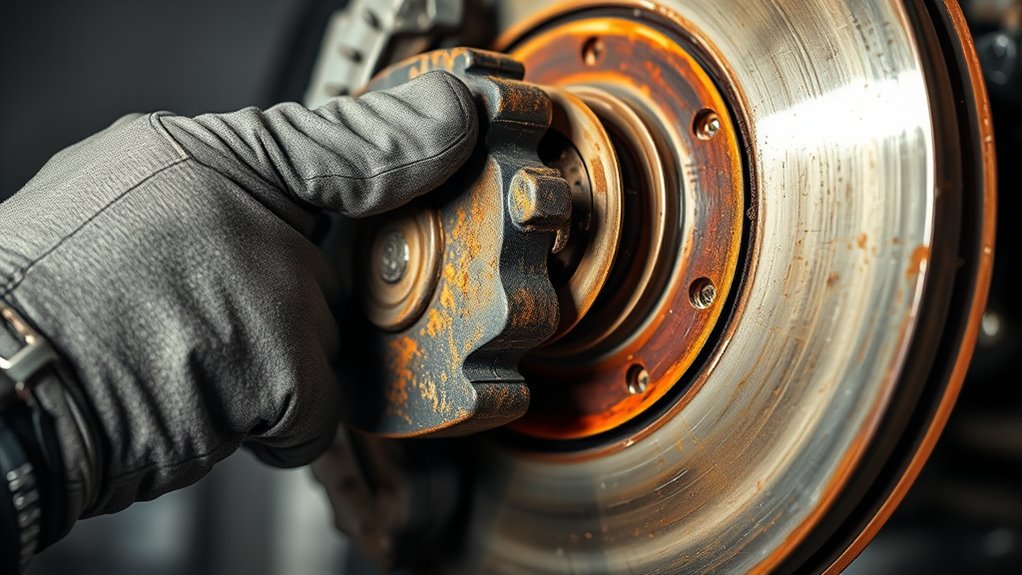

To identify and address common wear points, you should regularly perform diagnostic maintenance that includes sensor calibration and software analysis. Calibration keeps your equipment’s data accurate, helping you spot early signs of wear on components like bearings or gears. Continuous monitoring with diagnostic software reveals patterns indicating potential failures. Staying proactive with these checks allows you to prevent costly breakdowns and optimize performance. Keep exploring to discover how to implement these strategies effectively.
Key Takeaways
- Regular sensor calibration helps detect early signs of wear and misalignment in critical machine components.
- Software diagnostics analyze performance patterns to identify common wear points like bearings and gearboxes.
- Scheduled maintenance checks focus on frequently worn areas to prevent unexpected failures and safety risks.
- Monitoring diagnostic data trends reveals systemic issues and early wear in parts such as belts or hydraulic components.
- Combining sensor and software insights enables targeted interventions for wear points, optimizing maintenance efforts.
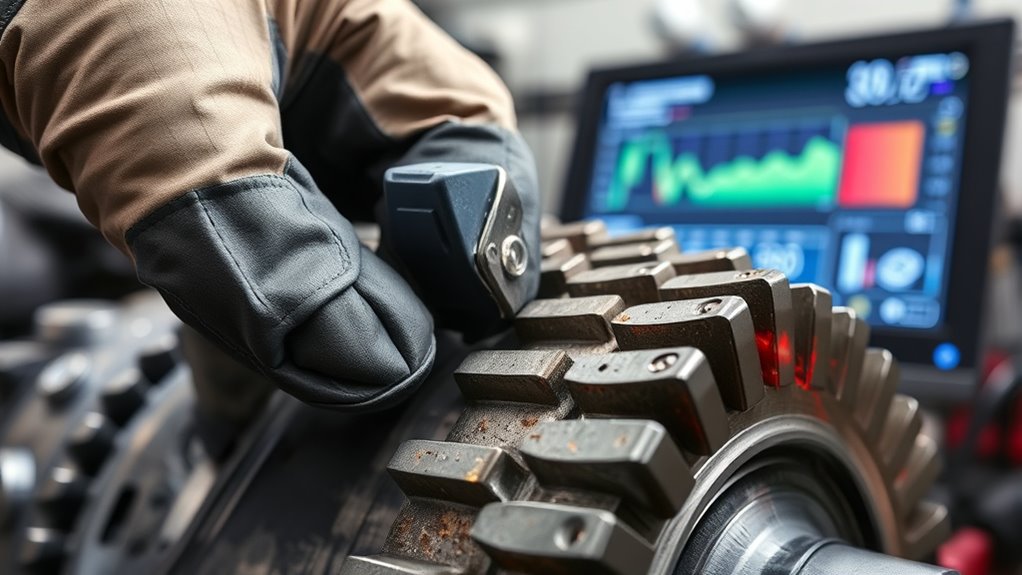
Diagnostic maintenance is essential for keeping equipment running smoothly and avoiding costly breakdowns. When you regularly perform diagnostics, you can catch issues early before they escalate into major failures. Two key components of effective diagnostic maintenance are sensor calibration and software diagnostics. These tools help you identify wear points and ensure your machinery operates at peak performance.
Sensor calibration is critical because many modern machines rely on sensors to monitor variables like temperature, pressure, and vibration. Over time, sensors can drift out of calibration, providing inaccurate readings that may lead to improper adjustments or overlooked problems. By routinely calibrating sensors, you ensure that data collected is precise, allowing you to make informed decisions. Proper calibration helps you detect early signs of wear or misalignment that could otherwise go unnoticed. For example, if a temperature sensor starts reporting higher readings than actual, it might trigger unnecessary shutdowns or, worse, mask an overheating issue. Regular sensor calibration prevents these situations, maintaining reliability and safety.
Software diagnostics play an equally vital role in identifying wear points. Modern equipment is equipped with diagnostic software that continuously monitors machine performance and alerts you to anomalies. These diagnostics analyze data from sensors, control systems, and operational logs to detect patterns indicating impending failures. When something’s amiss, the software provides detailed reports, pinpointing the exact location and nature of the problem. This allows you to target maintenance efforts efficiently, saving time and resources. For instance, if software diagnostics detect abnormal vibration patterns, you can inspect specific bearings or gears for wear before they fail completely. By integrating software diagnostics into your maintenance routine, you’re better equipped to forecast issues and plan repairs proactively.
You should also understand that diagnostic maintenance isn’t a one-time task but an ongoing process. Regularly scheduled checks of sensors and software diagnostics ensure your equipment remains in peak condition. Monitoring sensor calibration status helps you avoid false alarms or missed faults, while analyzing software diagnostics trends can reveal systemic issues that need addressing. Combining these approaches gives you a thorough view of your machinery’s health. Additionally, leveraging data-driven strategies can further optimize your maintenance efforts and improve overall efficiency.
Frequently Asked Questions
How Often Should Diagnostic Maintenance Be Performed?
You should perform diagnostic maintenance based on preventive scheduling, typically every 3 to 6 months, depending on usage. Regular wear pattern analysis helps you identify early signs of wear, allowing you to address issues before they escalate. Consistent checks guarantee your equipment stays in peak condition, reducing downtime and costly repairs. By sticking to a preventive maintenance schedule, you keep your machinery running smoothly and extend its lifespan effectively.
What Tools Are Essential for Effective Diagnostics?
You need essential tools like a scanner or OBD-II code reader to diagnose issues effectively. These tools help you perform sensor calibration and guarantee software updates are current, catching problems early. A multimeter is crucial for testing electrical components, while a laptop with diagnostic software opens deeper insights. With these tools, you’ll uncover hidden faults before they escalate, keeping your vehicle running smoothly and avoiding costly repairs down the line.
Can Diagnostic Maintenance Prevent All Equipment Failures?
Diagnostic maintenance can substantially reduce equipment failures, but it can’t prevent all of them. By using predictive analytics, you can foresee potential issues and schedule maintenance proactively. This helps catch problems early, minimizing downtime. However, unforeseen circumstances or sudden wear points may still cause failures. So, while diagnostic maintenance improves reliability, it’s essential to combine it with regular inspections and adaptive maintenance scheduling for the best results.
How to Prioritize Wear Points During Inspections?
Imagine your equipment as a busy city, with wear points like traffic hotspots. During inspections, you should use an inspection checklist to identify these areas. Prioritize based on wear point ranking, focusing first on the highest-risk spots where failure could cause the biggest disruption. By doing so, you keep the machinery running smoothly, preventing unexpected breakdowns and ensuring safety, much like managing traffic flow in a bustling city.
What Are Signs of Impending Failure in Common Wear Points?
You’ll notice failure indicators like unusual noises, vibrations, or increased friction, signaling wear point symptoms that suggest impending failure. Look for cracks, corrosion, or uneven wear, which often indicate that a component is nearing its limit. Regularly checking for looseness, leaks, or discoloration helps you catch these wear point symptoms early. Addressing these signs promptly can prevent costly breakdowns and extend the lifespan of your equipment.
Conclusion
Remember, regular diagnostic maintenance keeps your equipment running smoothly and prevents unexpected breakdowns. By addressing common wear points early, you save time, money, and headaches down the road. Think of it like tending a garden—if you ignore the weeds, they’ll overrun everything. Stay vigilant, perform routine checks, and you’ll keep your machinery healthy and productive. After all, an ounce of prevention is worth a pound of cure, so don’t wait until it’s too late.