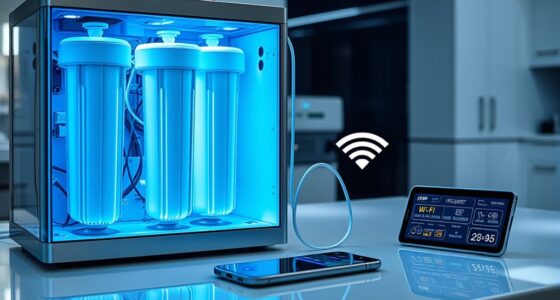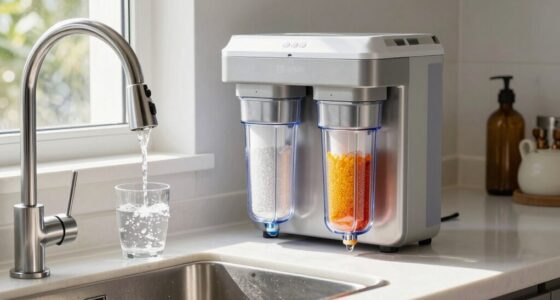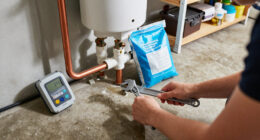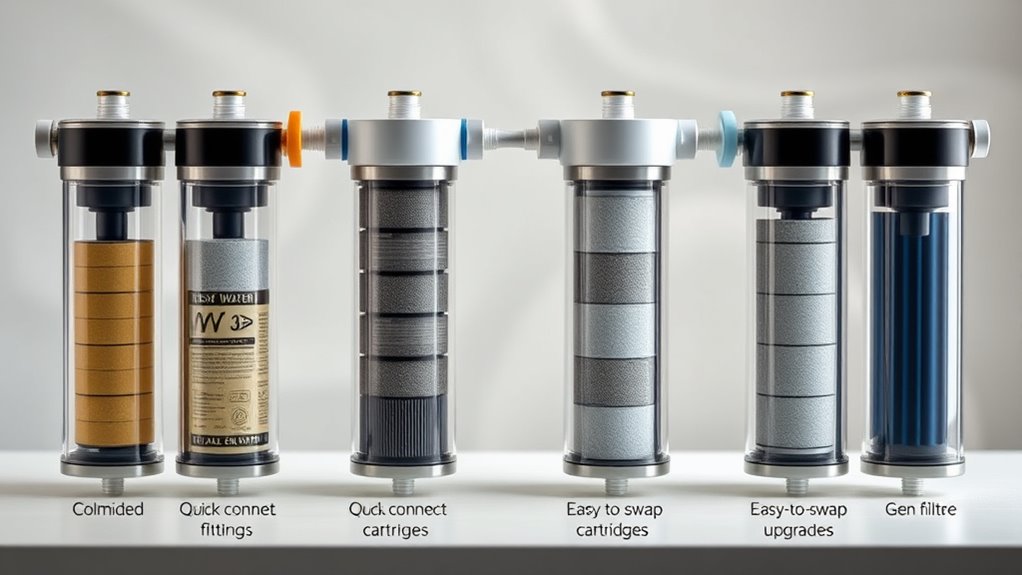

To design modular filtration systems for easy upgrades, focus on using standardized components and flexible plumbing layouts that allow for straightforward additions or replacements. Choose modular filter housings, compatible media, and quick-connect fittings. Keep maintenance accessible and plan for future expansion by leaving room for additional stages. This approach guarantees your system remains durable, simple to maintain, and scalable over time. Keep exploring further, and you’ll discover how to optimize your setup for lasting performance.

Get home appliances delivered free with Prime
- Fast, free delivery on millions of items
- Prime Video, Amazon Music and more included
- Member-only deals all year
Key Takeaways
- Use standardized components and connectors to enable seamless addition or replacement of filter stages.
- Design accessible layouts that allow quick media inspection, cleaning, and replacement without system disassembly.
- Incorporate modular filter chambers that can be easily upgraded or expanded for future contaminant removal needs.
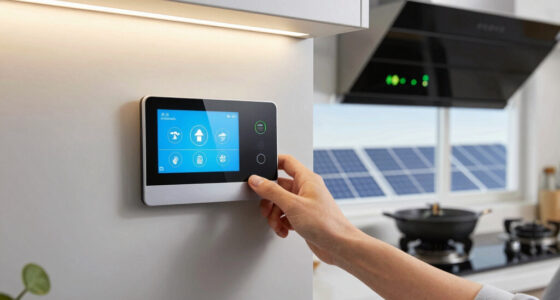
- Ensure plumbing and control systems are flexible, supporting straightforward integration of new media or stages.
- Plan ahead for scalability by selecting compatible media and components that accommodate system growth without major redesigns.
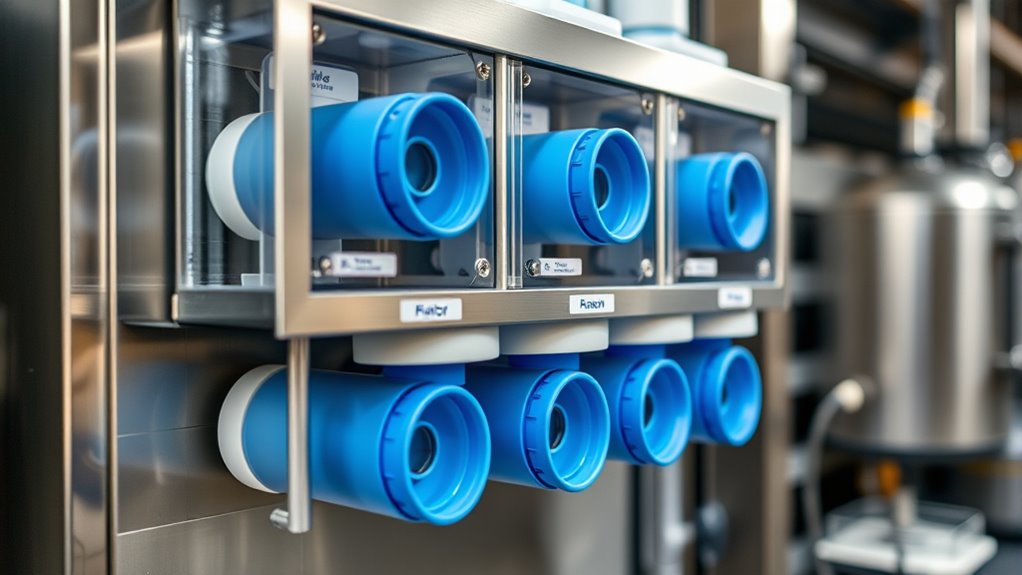
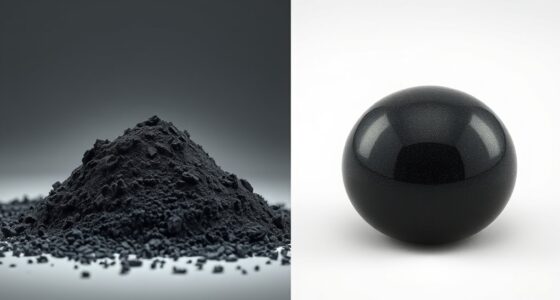
Modular filtration systems are versatile solutions designed to meet various water treatment needs by allowing you to customize and expand your setup easily. This flexibility is one of their greatest strengths, enabling you to adapt your system as your requirements evolve. When designing your system, one of the first steps is selecting the right filter media. Your choice of filter media directly impacts the system’s efficiency, lifespan, and maintenance needs. For example, activated carbon can effectively remove odors and chemicals, while sand or gravel filters are excellent for physical particle removal. You need to consider the specific contaminants you’re targeting and match your media accordingly. This tailored approach guarantees ideal water quality and minimizes unnecessary replacements or upgrades later on.
Choosing the right filter media ensures optimal water quality and system longevity.
Once you’ve chosen your filter media, it’s vital to plan for straightforward maintenance procedures. Modular systems are designed with ease of access in mind, so you should position components to allow quick media replacement and routine checks. Regular maintenance involves inspecting the media for clogging or saturation, cleaning or replacing it as needed, and ensuring all connections remain secure. By establishing clear, simple procedures, you reduce downtime and extend the lifespan of your filtration system. Remember, the ease of maintenance directly influences the longevity and performance of your setup, so prioritize accessible design during the planning phase. Additionally, selecting safe and reliable components ensures the system operates effectively and minimizes potential hazards.
Furthermore, when designing your modular system, consider how upgrade options will fit into your current layout. Opt for standardized components and connectors that facilitate easy expansion. For instance, adding another filter stage or upgrading to a different media type should be straightforward without requiring major overhauls. This means selecting modules that are compatible with existing parts and planning your plumbing layout to accommodate future additions seamlessly. You’ll save time and money by avoiding complex modifications down the line, making your system truly scalable.
Incorporating these principles from the beginning—thoughtful filter media selection and simple maintenance procedures—sets a strong foundation for a flexible, durable filtration system. As your needs change, you can confidently upgrade or expand your setup without hassle. Keep in mind that a well-designed modular system not only simplifies ongoing maintenance but also guarantees consistent water quality, giving you peace of mind. By focusing on these core elements during the design phase, you’ll create a reliable, adaptable water treatment solution that grows with your needs and remains easy to manage over time.
As an affiliate, we earn on qualifying purchases.
Frequently Asked Questions
Can Modular Systems Be Customized for Specific Water Contaminants?
Yes, modular systems can be customized for specific water contaminants. You can target contaminants more effectively through contaminant targeting, adjusting or adding modules designed to filter out particular pollutants. Confirm filter compatibility by choosing modules that fit seamlessly into your system. This flexibility allows you to tailor your filtration setup precisely to your water quality needs, making upgrades straightforward and efficient whenever new contaminants emerge or regulations change.
What Are the Cost Differences Between Modular and Traditional Filtration Systems?
In your cost analysis, modular filtration systems generally cost more upfront than traditional systems due to their advanced design and flexibility. However, the expense comparison shows that modular systems save you money over time because you can upgrade or replace individual modules instead of the entire unit. This flexibility minimizes long-term expenses, making modular systems a cost-effective choice despite higher initial investments.
How Do Modular Filters Impact Overall System Lifespan?
You might think modular filters are just a quick fix, but ironically, they actually extend your system’s lifespan. By allowing easy upgrades, they keep your filter lifespan longer and enhance system durability. With regular, simple replacements, your system stays efficient and resilient, avoiding early wear and tear. So, instead of risking damage with outdated parts, you enjoy a more durable setup, making your investment last much longer than you’d expect.
Are There Compatible Upgrade Options for Existing Filtration Setups?
Yes, there are compatible upgrade options for your existing filtration setup. You can upgrade by simply swapping out the filter cartridge for a higher-capacity or more advanced version, ensuring it matches your system’s specifications. Keep in mind, a better filter cartridge can improve water pressure and filtration efficiency. Check compatibility first, but with modular systems, upgrading is straightforward and can extend your system’s lifespan while enhancing performance.
What Maintenance Is Required for Modular Filtration Components?
You need to regularly perform filter replacement and system cleaning to keep your modular filtration components functioning ideally. Replace filters according to the manufacturer’s guidelines, typically monthly or when dirty. Clean the system parts with gentle water or approved cleaning agents to prevent buildup and guarantee efficient performance. Regular maintenance extends the lifespan of your components and keeps your water quality high, making it easier to upgrade and customize your system in the future.
As an affiliate, we earn on qualifying purchases.
Conclusion
By choosing modular filtration systems, you guarantee your setup is future-proof and easily upgradeable, much like the timeless elegance of a well-crafted steampunk gadget. You can effortlessly swap out components as needs evolve, saving time and money. Remember, in the grand scheme of engineering, flexibility is key. So, embrace modularity today, and keep your filtration system as adaptable as a Victorian inventor’s latest contraption—ready for whatever challenges come next.
replaceable filter media for water filter
As an affiliate, we earn on qualifying purchases.
As an affiliate, we earn on qualifying purchases.
expandable water filtration units
As an affiliate, we earn on qualifying purchases.
As an affiliate, we earn on qualifying purchases.
NFL season / tailgating Picks
team gear
As an affiliate, we earn on qualifying purchases.