
TL;DR
A Hunker report recommends soaking mineral-clogged showerheads in a solution of two tablespoons of citric acid powder per two cups of water. It says to soak for about one to two hours, then rinse, scrub and clear remaining debris; the method is not suitable for aluminum, copper or brass showerheads.
A Hunker cleaning report recommends using a diluted citric acid soak to remove mineral deposits from showerheads, offering an alternative to vinegar and baking soda for restoring blocked spray holes. The advice includes a specific mixture and soak time, but warns that the acidic solution can corrode showerheads made of aluminum, copper or brass.

Get home appliances delivered free with Prime
- Fast, free delivery on millions of items
- Prime Video, Amazon Music and more included
- Member-only deals all year
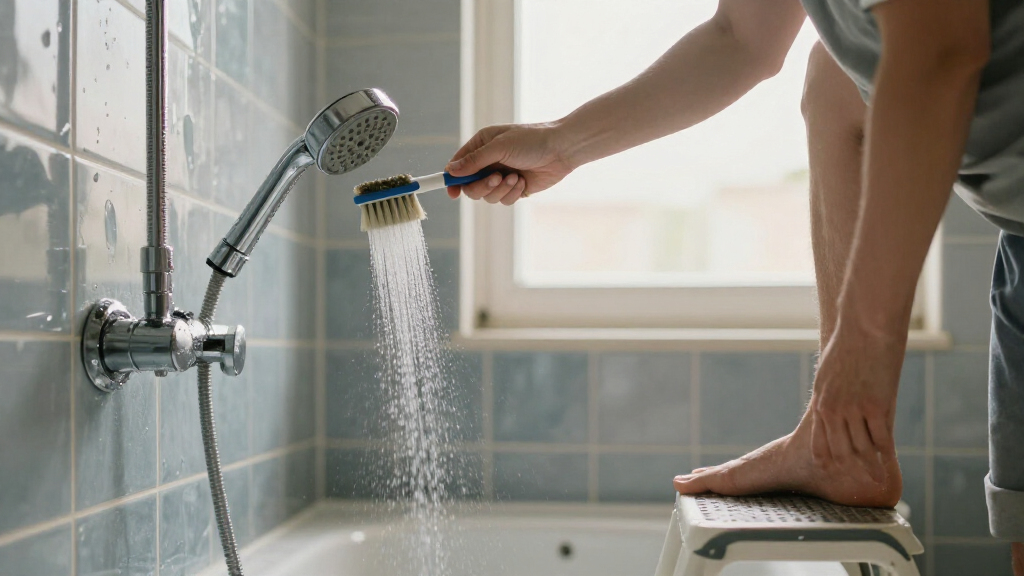
The report’s suggested mixture is two tablespoons of citric acid powder in two cups of water. It says to submerge the showerhead for about one to two hours, then rinse and scrub it. A handheld showerhead can be placed in a bowl or bucket without disconnecting its hose, according to the report. A fixed head can be removed for soaking or treated in place by wrapping a plastic bag filled with the solution around it, with the spray holes fully immersed and the bag secured with rubber bands.
Hunker describes citric acid as a descaling option because it dissolves mineral scale and can be mixed to a chosen concentration. It also says powder avoids vinegar’s strong smell. The report does not provide comparative test results or independent measurements showing how much stronger citric acid is than vinegar, so that comparison should be understood as the report’s claim rather than a quantified finding.
After soaking, the report advises a final rinse and scrub. It recommends using a toothpick to clear holes that remain blocked, since debris other than mineral deposits may be lodged in them. The solution should be mixed in a plastic, ceramic or glass container; Hunker cautions that contact with aluminum or other metals may cause reactions or discoloration.
Restoring Spray Without Replacing the Head
Mineral buildup can obstruct the small openings in a showerhead, making water spray unevenly or in fits and starts, according to Hunker’s report. Clearing those blockages may restore a more consistent spray and let households avoid replacing a showerhead solely because of deposits. The report also points out that a weak spray can lead people to spend longer showering, although it gives no water-use measurements to establish the effect.
The material warning matters because an acidic cleaner that works on scale may damage some fixtures. Homeowners should check what their showerhead is made of before soaking it, and should not use the suggested solution on aluminum, copper or brass. The source does not offer a substitute method for those materials.
Products Worth Considering

eufy Security 5-Piece Home Alarm Kit

eufy Security eufyCam C35 4-Camera Kit

Ring Alarm 14-Piece Kit
As an affiliate, we earn on qualifying purchases.
Why Mineral Scale Blocks Spray
Hard water contains dissolved minerals that can leave deposits as water passes through a showerhead. Over time, scale can partially block the spray openings. Hunker’s report presents citric acid as one cleaning option alongside vinegar, while noting that baking soda is not the method it recommends for dissolving scale.
The guidance is a practical cleaning article, not a controlled comparison of cleaning products. Its recipe, suggested soak duration and handling cautions are the information it supplies; it does not cite laboratory testing, a specific water-hardness threshold or results across different showerhead designs.
“Mix two tablespoons of citric acid powder in two cups of water.”
— Hunker report
Results Depend on Material and Blockage
The report does not establish how quickly the method works on every type or thickness of deposit. Its one-to-two-hour soak is an approximate guide, and the result may depend on the showerhead’s construction and the nature of the blockage. It also acknowledges that some spray holes may be clogged by debris rather than minerals.
Hunker does not cite independent testing comparing citric acid with vinegar, nor does it quantify any resulting change in water pressure or water use. It does not specify whether every coating or finish, beyond the named metals, is compatible with the solution. Readers should check manufacturer care instructions if the material or finish is uncertain.
Check the Fixture Before Soaking
Before applying the method, identify the showerhead material and consult any care guidance from its manufacturer. If the fixture is compatible, the report’s next steps are to prepare the diluted solution in a nonmetal container, soak the head, rinse and scrub it, then clear any remaining obstruction carefully. The report does not describe a formal follow-up test; whether spray improves can be checked after the head has been rinsed and reinstalled or returned to service.
Key Questions
What mixture does the report recommend?
Hunker recommends two tablespoons of citric acid powder mixed with two cups of water.
How long should a showerhead soak?
The report suggests about one to two hours, while noting that remaining debris may need to be removed by scrubbing or gently clearing the spray holes.
Can citric acid be used on every showerhead?
No. Hunker warns against using its solution on showerheads made of aluminum, copper or brass, which it says may corrode. Check the fixture material and manufacturer instructions first.
What if the spray holes are still blocked after soaking?
The report says to rinse and scrub the showerhead, then use a toothpick to dislodge remaining debris. It notes that blockages may come from something other than mineral deposits.
Source: rss