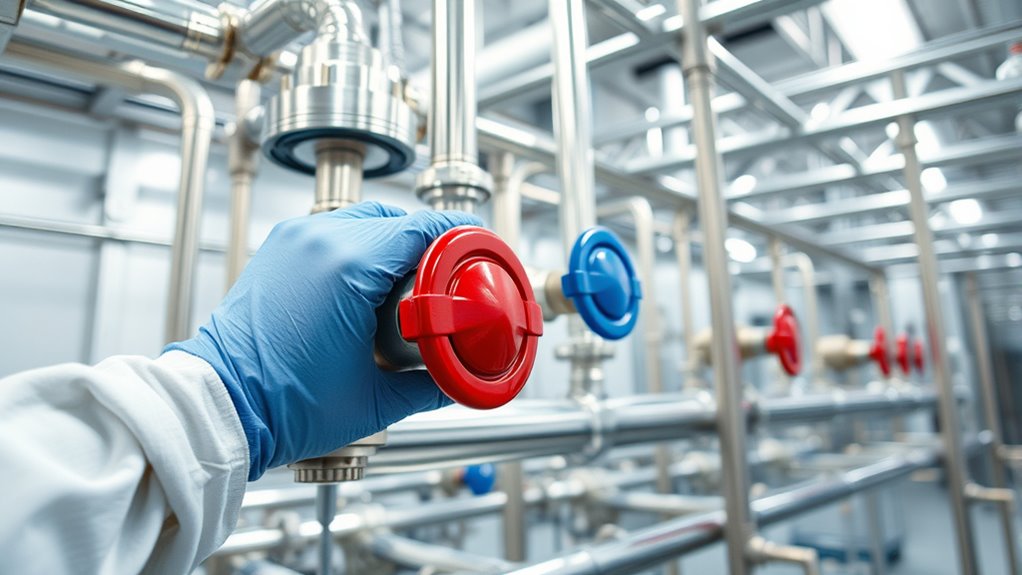

Using bypass valves lets you perform maintenance on water systems without stopping the supply. First, make certain the bypass valve is installed correctly and fully operational. You should then close the main valve section you need to service, while keeping the bypass open to maintain flow. This way, water continues to flow through the system smoothly. Proper calibration and leak detection are key to avoiding issues—find out more if you want to keep your system running efficiently.

Get home appliances delivered free — and shop member deals
- Fast, free delivery on millions of items
- Access to Prime Big Deal Days deals on October 6–7
- Prime Video, Amazon Music and more included
Key Takeaways
- Install bypass valves correctly to redirect flow during maintenance, ensuring continuous water supply.
- Regularly calibrate and adjust bypass valves to maintain proper flow control and system stability.
- Use leak detection tools to identify and repair leaks early, preventing disruption of water service.
- Fully close or properly manage bypass valves during maintenance to avoid unintended flow or pressure issues.
- Understand system hydraulics to plan valve operation effectively, minimizing impact on the overall water supply.

Bypass valves are indispensable components in many industrial and plumbing systems, allowing you to perform maintenance without shutting down the entire operation. When you need to service equipment or perform inspections, bypass valves give you the ability to redirect flow, keeping water supply uninterrupted. This setup is especially crucial in facilities where continuous operation is critical, such as hospitals, manufacturing plants, or municipal water systems. With a properly installed bypass valve, you can isolate specific sections, carry out necessary work, and quickly restore normal flow once the task is complete. Proper installation and understanding of system hydraulics are essential for effective bypass valve operation. A key aspect of using bypass valves effectively is ensuring proper valve calibration. Accurate calibration guarantees that the valve opens and closes at specified pressures, maintaining maximum flow control. When you calibrate the valve correctly, you prevent unintended leaks or flow restrictions that could compromise system efficiency. Regular calibration also helps in identifying early signs of wear or malfunction, so you can address issues before they escalate. Proper valve calibration reduces downtime and extends the lifespan of your system components. Leak detection is another critical factor when working with bypass valves. While these valves are designed to contain flow securely, leaks can sometimes occur due to improper installation, wear, or damage. When you keep an eye on leak detection, you can quickly identify and fix leaks that might otherwise go unnoticed, preventing water loss and potential damage to surrounding infrastructure. Leak detection tools, such as pressure gauges or acoustic sensors, can help you monitor system integrity. Addressing leaks promptly not only conserves water but also safeguards your system from pressure drops and costly repairs. Using bypass valves for maintenance also involves understanding how to manage flow during calibration and leak detection procedures. You should always ensure the valve is fully closed or properly adjusted to prevent unintended flow. When calibrating, you might need to adjust the valve settings incrementally, testing each step to confirm consistent performance. During leak detection, maintaining a stable system pressure allows you to pinpoint leaks accurately. If leaks are detected, you must promptly repair or replace faulty components before proceeding with further maintenance.
As an affiliate, we earn on qualifying purchases.
Frequently Asked Questions
What Are the Common Types of Bypass Valves Used in Water Systems?
You typically choose from globe, ball, or gate bypass valves for water systems. These valves enable flow regulation and smooth valve operation during maintenance. When selecting a valve, consider factors like pressure, flow rate, and system compatibility to guarantee reliable performance. Proper valve selection helps you maintain water supply without disruption, allowing easy bypassing and quick access for repairs while keeping the system efficient and safe.
How Do Bypass Valves Impact Overall Water Pressure During Maintenance?
Ever thought bypass valves are magic wands? They help you avoid pressure fluctuations and keep your system stable during maintenance. By redirecting water flow, these valves prevent sudden drops or spikes in pressure, ensuring your water supply remains steady. So, you don’t have to worry about disruptions, and your system stays reliable. Bypass valves act like a buffer, maintaining overall water pressure even when parts are being serviced.
Are There Safety Concerns When Operating Bypass Valves During Maintenance?
Yes, safety concerns exist when operating bypass valves during maintenance. You should follow strict safety protocols and emergency procedures to prevent accidents. Guarantee all personnel are trained, and valves are operated carefully to avoid pressure surges or leaks. Regularly inspect the valves for proper function, and have emergency shut-off procedures in place. Staying vigilant and adhering to safety guidelines helps protect everyone and maintains system integrity during maintenance.
What Maintenance Procedures Are Recommended for Bypass Valves?
You should perform routine inspections and lubrication on bypass valves to prevent unexpected failures. Always test emergency shutdowns to guarantee quick response during issues. Reconfigure the system carefully to avoid pressure surges. Regularly check for leaks, corrosion, and proper sealing. Document maintenance activities meticulously. By following these procedures, you minimize risks, keep water supply uninterrupted, and ensure your bypass valves operate flawlessly during system reconfiguration or emergencies.
Can Bypass Valves Be Automated for Remote Operation?
Yes, you can automate bypass valves for remote control using automation technology. Implementing control systems like SCADA or PLCs allows you to operate and monitor valves remotely, improving efficiency and safety. With automation, you can quickly respond to system needs, reduce manual effort, and minimize downtime during maintenance. Just guarantee your system is properly integrated and calibrated to maintain reliable operation and seamless water supply management.
water system leak detection tools
As an affiliate, we earn on qualifying purchases.
As an affiliate, we earn on qualifying purchases.
Conclusion
Think of bypass valves as the unsung heroes of your water system, quietly working behind the scenes like the steady hand of a conductor. When you need maintenance, they allow you to keep the water flowing smoothly, avoiding chaos and inconvenience. Just as a skilled captain navigates stormy seas, using bypass valves guarantees your service remains uninterrupted. Embrace this simple tool, and you’ll keep your water system running seamlessly, no matter what challenges come your way.
As an affiliate, we earn on qualifying purchases.
As an affiliate, we earn on qualifying purchases.
Fall Picks
fall essentials
As an affiliate, we earn on qualifying purchases.