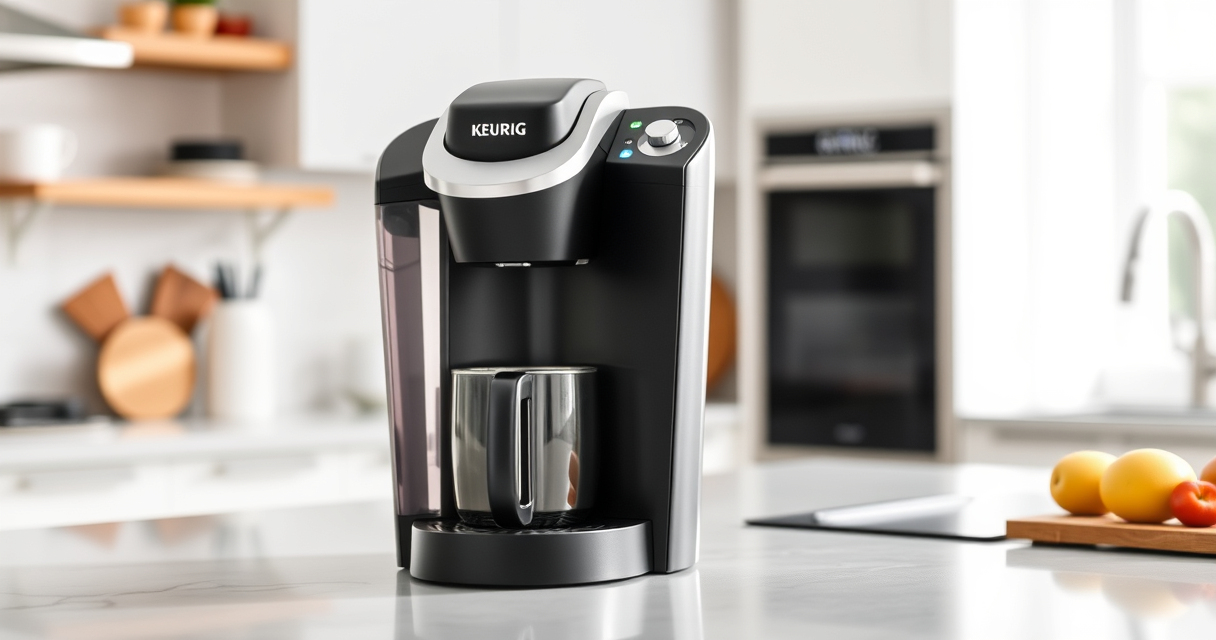

Regular cleaning of your Keurig K-Duo is essential to keep it functioning properly and to ensure your coffee tastes fresh. This guide provides clear, safe steps to clean and troubleshoot your machine effectively.

Get home appliances delivered free — and shop member deals
- Fast, free delivery on millions of items
- Access to Prime Big Deal Days deals on October 6–7
- Prime Video, Amazon Music and more included
Whether you’re experiencing buildup or just want to maintain your brewer, these steps will help you keep your Keurig K-Duo in top shape.
Key Takeaways
| Regular cleaning extends machine life | Cleaning prevents mineral buildup and flavor transfer. |
| Use proper descaling solutions | Descaling removes mineral deposits that affect performance. |
| Clean removable parts frequently | Keeps the brew quality high and prevents clogs. |
| Avoid harsh chemicals | Use recommended descaling and cleaning products for safety. |
Gather Your Supplies
- Fresh water
- Descaling solution (recommended: Keurig Descaling Solution)
- Soft cloth or sponge
- Cleaning brush or old toothbrush
Empty and Clean the Water Reservoir
- Remove the water reservoir from the machine.
- Wash it with warm, soapy water and rinse thoroughly.
- Dry completely before reinserting.
Descale the Machine
- Fill the water reservoir with a mixture of equal parts water and descaling solution.
- Place a large mug on the drip tray.
- Run a brew cycle without a coffee pod, allowing the solution to flow through.
- Repeat until the reservoir is empty, then rinse thoroughly with plain water by running multiple brew cycles with just water to remove any residue.
Clean the Brew Head and Other Parts
- Remove and wash the drip tray and grid with warm, soapy water.
- Use a soft cloth or brush to clean the brew head and surrounding areas.
- Wipe down the exterior with a damp cloth.
Maintain Your Keurig K-Duo
Repeat descaling every 3-6 months or as recommended to prevent mineral buildup. Regularly clean removable parts and run water through your brewer to keep it fresh and functional.
The Products in This Guide
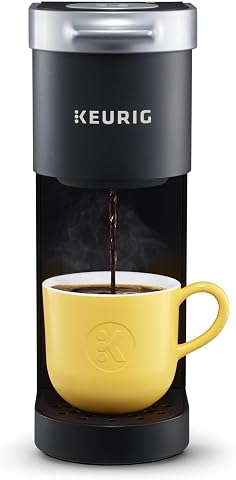
Keurig K-Mini Single Serve K-Cup Pod Coffee Maker
- ✔ Width: Less than 5 inches
- ✔ Brew capacity: 6-12 oz
- ✔ Material: Matte finish
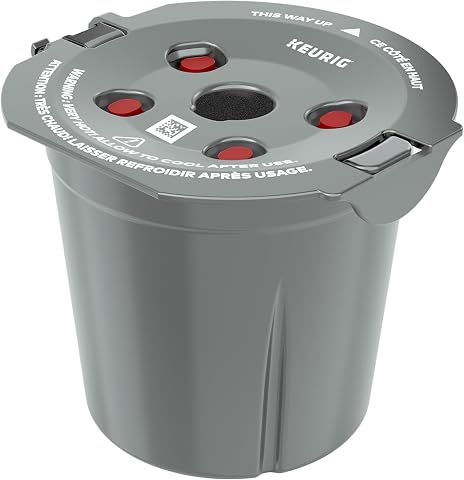
My K-Cup® Reusable Coffee Filter
- ✔ Material: Plastic and silicone
- ✔ Capacity: Single cup
- ✔ Compatibility: Keurig models including K-Duo
Keurig K-Mini Single Serve K-Cup Pod Coffee Maker
The Keurig K-Mini Single Serve K-Cup Pod Coffee Maker is a compact, efficient machine perfect for small spaces. Regular cleaning will ensure it brews fresh, flavorful coffee every time and prolong its lifespan.
Pros:
- Compact size fits small spaces
- Easy to clean and maintain
- Fast brewing in minutes
- Removable drip tray for easy cleanup
Cons:
- Limited to 6-12 oz brew sizes
- No water filter feature
- Small water reservoir requires frequent refilling
Best for: Small kitchens, dorms, offices needing quick coffee
Not ideal for: For those needing larger brew capacities or advanced features
Bottom line: Keep your Keurig K-Mini clean to enjoy fresh coffee daily.
My K-Cup® Reusable Coffee Filter
The My K-Cup Reusable Coffee Filter offers the convenience of brewing your favorite ground coffee with your Keurig K-Duo, making it versatile and cost-effective.
Pros:
- Reusable and eco-friendly
- Allows customized coffee blending
- Easy to clean
- Compatible with many Keurig models
Cons:
- Requires ground coffee prep
- May need frequent cleaning
- Not suitable for K-Cup pods
Best for: Coffee lovers who prefer ground coffee and eco-friendly options
Not ideal for: If you’re exclusively using K-Cup pods
Bottom line: A versatile accessory for ground coffee enthusiasts.
Frequently Asked Questions
How often should I descale my Keurig K-Duo?
It is recommended to descale your Keurig K-Duo every 3 to 6 months, or more frequently if you notice slower brewing or scale buildup.
Can I use vinegar instead of descaling solution?
While some users opt for vinegar, it is not officially recommended. Using a Keurig-approved descaling solution ensures safe and effective cleaning without damaging your machine.
How do I know when my machine needs cleaning?
Signs include slow brewing, inconsistent temperatures, or strange tastes. Regular maintenance can prevent these issues.
Is it safe to run water through the machine without a pod?
Yes, running plain water through the brewer is part of the descaling and cleaning process and helps flush out residues.
Keep Your Coffee Fresh and Your Machine Happy
Regularly cleaning your Keurig K-Duo ensures optimal performance and flavorful brews every time. Follow these simple steps, use the right products, and your machine will serve you well for years to come.
Affiliate disclosure: As an Amazon Associate we earn from qualifying purchases. Prices and availability are accurate as of the time of publishing.
Fall Picks
fall essentials
As an affiliate, we earn on qualifying purchases.