
TL;DR

Get home appliances delivered free with Prime
- Fast, free delivery on millions of items
- Prime Video, Amazon Music and more included
- Member-only deals all year
A recent test compared four common brass cleaning methods. One method proved significantly more effective, restoring tarnished brass to a nearly new appearance. The findings help homeowners choose the best cleaning technique.
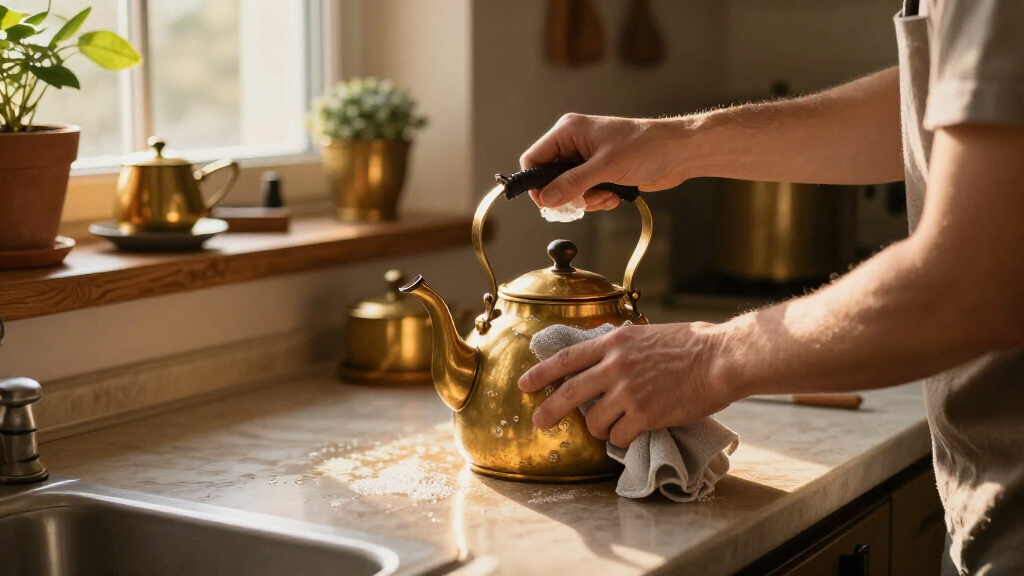
A person conducted a practical experiment testing four popular methods to clean tarnished brass, with one technique emerging as the most effective in restoring the metal’s original luster. This development offers homeowners and DIY enthusiasts a clear guide on how to effectively clean brass items.
The experiment involved applying four different cleaning methods to tarnished brass objects, including a homemade vinegar and salt solution, commercial brass cleaner, baking soda paste, and a commercial polish. The individual documented the results over a period of several hours, comparing the degree of tarnish removal and shine restoration.
According to the test, the commercial brass polish delivered the most noticeable improvement, making the brass appear close to new. The vinegar and salt solution also showed significant cleaning power, but required longer application and more effort. The baking soda paste provided moderate results, while the commercial cleaner was less effective than expected. The person emphasized that the success of each method depended on the severity of tarnish and the specific product used.
Experts suggest that the commercial polish’s chemical formulation is optimized for removing tarnish without damaging the metal surface, which explains its superior performance. However, the person also noted that household solutions like vinegar and salt can be effective for light tarnish if applied carefully.
Why Effective Brass Cleaning Techniques Matter for Home Care
Restoring tarnished brass is a common challenge for homeowners, antique collectors, and decorators. Knowing which cleaning method yields the best results can save time, effort, and money, and help preserve valuable or decorative brass items. The experiment’s findings offer practical guidance, especially for those seeking affordable, readily available solutions.
Choosing the right cleaning method can also prevent damage to delicate brass surfaces, prolonging the life and appearance of these items. The results underscore the importance of selecting appropriate products and techniques based on the level of tarnish and the desired outcome.
As an affiliate, we earn on qualifying purchases.
Background on Brass Tarnish and Cleaning Methods
Brass tarnishes over time due to oxidation, resulting in a dull, darkened surface. Cleaning tarnished brass is a common household task, with many people relying on DIY solutions or commercial products. Popular methods include using vinegar and salt, baking soda pastes, commercial cleaners, and polishes, each with varying effectiveness and safety profiles.
Previous advice has often been anecdotal, with no standardized testing to determine the most effective approach. Interest in effective brass cleaning techniques has surged recently, driven by increased interest in home maintenance and restoration projects, especially among DIY enthusiasts and collectors.
The current experiment is part of a broader trend exploring affordable, accessible solutions for home care, though the specific trigger for this particular test remains unconfirmed.
As an affiliate, we earn on qualifying purchases.
Uncertainties About Long-Term Effects and Safety
It is not yet clear how each cleaning method affects the long-term durability of brass surfaces or whether repeated use causes any damage. The experiment focused on immediate results, and further testing is needed to assess potential risks or surface wear over time.
Additionally, the specific formulations of commercial cleaners vary, and their safety for different types of brass or antique items remains to be confirmed. The effectiveness may also depend on the extent of tarnish and the application technique.
As an affiliate, we earn on qualifying purchases.
Further Testing and Recommendations for Home Users
Researchers plan to conduct extended tests to evaluate the long-term impact of these cleaning methods on brass durability. Homeowners and collectors are advised to test cleaning solutions on small, inconspicuous areas before full application.
Manufacturers of commercial brass cleaners may consider refining their products based on these findings. Meanwhile, DIY users should weigh the effectiveness against potential surface impacts, especially for valuable or antique items.
As an affiliate, we earn on qualifying purchases.
Key Questions
Which method is best for cleaning heavily tarnished brass?
The commercial brass polish was most effective in the test, especially for heavily tarnished items, restoring a near-original shine.
Are household solutions safe for all brass items?
Household solutions like vinegar and salt can be effective for light tarnish but may not be suitable for delicate or antique brass, which could be damaged by acids or abrasives.
How often should I clean my brass items?
Regular gentle cleaning is recommended to prevent heavy tarnish buildup. Avoid over-cleaning, which can wear down the metal surface over time.
Can I use these methods on antique or valuable brass?
It is advisable to test any cleaning method on a small, hidden area first. For valuable or antique pieces, consulting a professional conservator is recommended before cleaning.
What precautions should I take when cleaning brass at home?
Always wear gloves and work in a well-ventilated area. Follow product instructions carefully, and avoid using abrasive materials that could scratch or damage the surface.
Source: rss
Fall Picks
fall essentials
As an affiliate, we earn on qualifying purchases.