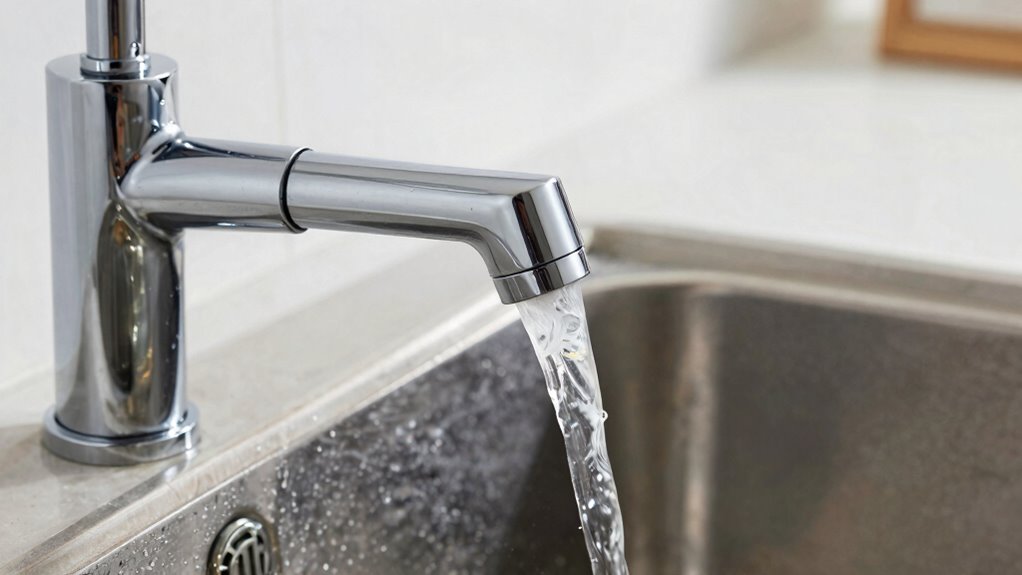
Backflow prevention belongs in more home water conversations because it directly protects your family’s health by preventing contaminants, pollutants, and bacteria from entering your drinking water. It guarantees that rainwater harvesting systems and other sources stay separate from your main supply, reducing the risk of contamination. Properly installed and maintained backflow preventers keep your water safe and your plumbing intact. If you keep exploring, you’ll discover how essential this simple device is for your home’s water safety.
Prime for Young Adults — start your free trial
Fast free delivery, streaming and member deals for eligible 18–24 year olds.
As an affiliate, we earn on qualifying purchases.
Key Takeaways
- It safeguards drinking water by preventing harmful contaminants from flowing back into home plumbing systems.
- Regular discussion raises awareness about proper installation and maintenance of backflow preventers.
- Incorporating backflow prevention into home water safety promotes healthier, cleaner water for families.
- It ensures compliance with regulations, avoiding fines and costly plumbing repairs.
- Promoting backflow prevention supports sustainable water use, especially in rainwater harvesting systems.
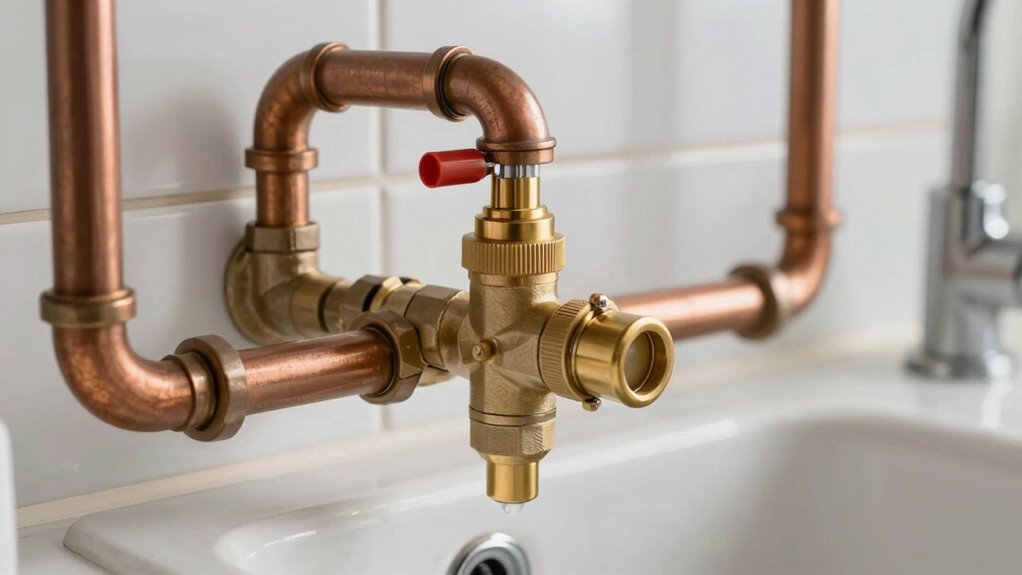
Backflow prevention is a critical aspect of maintaining safe and clean water in your home. It protects your water supply from contamination caused by reverse flow, which can introduce pollutants, bacteria, or chemicals into your drinking water. As more homeowners explore sustainable water solutions like rainwater harvesting, understanding backflow prevention becomes even more significant. Rainwater harvesting systems collect and store rainwater for various uses, but without proper backflow prevention devices, this water could potentially flow back into your main supply, risking contamination. Incorporating backflow prevention measures into your rainwater harvesting setup ensures that any collected water stays separate from your potable water lines, safeguarding your health and water quality. Additionally, understanding the role of backflow preventers in plumbing systems can help you make informed decisions about protecting your water supply.
Backflow prevention safeguards your water by preventing contamination from reverse flow, especially important with rainwater harvesting systems.
Water quality testing is another essential reason why backflow prevention should be part of your home water conversations. Regular testing helps identify potential contaminants or changes in water quality, but it’s equally important to prevent cross-connections that could lead to backflow. When you test your water, you’re better equipped to detect issues early, but preventing backflow is a proactive step that minimizes risks altogether. Proper installation and maintenance of backflow preventers is crucial to ensure their effectiveness over time. If you ignore backflow prevention, you might unknowingly allow harmful substances to enter your drinking water, even if your water initially tests as safe. Installing backflow preventers and maintaining them properly helps guarantee that your water remains clean and safe over time.
You might not think about backflow prevention until a problem arises, but integrating it into your routine conversations about home water systems offers long-term benefits. It helps protect your household from waterborne illnesses and preserves the integrity of your plumbing infrastructure. Furthermore, as regulations around water safety become stricter, understanding and implementing backflow prevention measures can help you stay compliant and avoid costly fines or repairs. It’s an aspect that often gets overlooked but plays an essential role in comprehensive water management.
Incorporating backflow prevention into your daily water considerations also encourages a broader awareness of water conservation and safety. Whether you’re collecting rainwater or relying on municipal supplies, understanding how backflow works and taking steps to prevent it keeps your water safe for drinking, cooking, and cleaning. It’s an indispensable but often overlooked part of responsible water stewardship. When you talk about water quality testing and rainwater harvesting, don’t forget to include discussions about backflow prevention. Doing so ensures your home stays protected against contamination and helps you make informed decisions about your water systems.
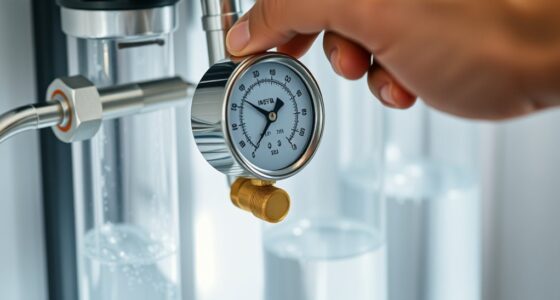
backflow prevention device for home plumbing
As an affiliate, we earn on qualifying purchases.
As an affiliate, we earn on qualifying purchases.
Frequently Asked Questions
How Often Should Backflow Prevention Devices Be Tested or Maintained?
You should test your backflow prevention devices annually to guarantee they’re functioning properly. Regular maintenance schedules help prevent contamination and protect your water supply. During inspections, use proper methods like visual checks and pressure testing to identify any issues early. Staying consistent with these inspections keeps your system safe and compliant with local regulations, giving you peace of mind knowing your home’s water is protected from backflow hazards.
Can Homeowners Install Backflow Prevention Devices Themselves?
You shouldn’t attempt DIY installation of backflow prevention devices. It’s crucial to understand that this falls under homeowner responsibilities, and improper setup can lead to water contamination risks. Installing these devices requires specialized tools, knowledge of local plumbing codes, and safety precautions. To guarantee your system functions correctly and remains compliant, it’s best to hire a licensed professional. They can ensure proper installation and ongoing maintenance, protecting your home’s water quality.
What Are the Signs of a Backflow Issue in My Home?
You might notice a strange taste, odor, or discoloration in your water—that’s a gentle warning sign of potential backflow issues. Contamination risks increase when backflow occurs, possibly exposing your family to harmful substances. Regular plumbing inspections can catch these signs early, preventing bigger problems. Stay vigilant about changes in your water, and consult a professional if you suspect a backflow issue to keep your home’s water safe and clean.
Are There Different Types of Backflow Prevention Devices for Residential Use?
Yes, there are different types of backflow prevention devices for residential use, such as reduced pressure zone (RPZ) assemblies and double-check valves. When it comes to device installation, you should guarantee proper placement by a professional, and maintenance procedures are essential for reliable protection. Regular inspections and testing keep these devices functioning correctly, preventing contamination. Staying proactive with backflow prevention helps safeguard your home’s water quality effectively.
How Does Backflow Prevention Impact My Water Bill and Water Quality?
Think of backflow prevention as a shield protecting your home’s water. It helps keep your water bill steady by preventing costly contamination, and it boosts water safety by stopping pollutants from entering your system. By investing in backflow prevention devices, you support contamination prevention and guarantee clean, safe water for your family. It’s a small step that makes a big difference in safeguarding your home’s water quality.
rainwater harvesting backflow preventer
As an affiliate, we earn on qualifying purchases.
As an affiliate, we earn on qualifying purchases.
Conclusion
By paying closer attention to backflow prevention, you’re gently steering your home’s water system toward greater safety and peace of mind. Think of it as a quiet guardian, quietly ensuring your water stays pure and your family stays healthy. When you include backflow prevention in your conversations, you’re not just protecting your water—you’re nurturing a safer, more confident home. It’s a small step that opens the door to a more secure and worry-free living space.
home water safety backflow preventer
As an affiliate, we earn on qualifying purchases.
As an affiliate, we earn on qualifying purchases.
plumbing backflow preventer installation kit
As an affiliate, we earn on qualifying purchases.
As an affiliate, we earn on qualifying purchases.
NFL season / tailgating Picks
team gear
As an affiliate, we earn on qualifying purchases.