If your water pressure fluctuates suddenly, with spikes or drops, it can stress your plumbing and appliances. Notice if fixtures struggle to keep up or there are leaks and early failures, which indicate your system is under too much demand. Frequent pressure changes and signs of wear suggest your home’s water equipment is working harder than it should. Keep an eye on these signs to reduce damage and explore simple ways to protect your system.

Get home appliances delivered free with Prime
- Fast, free delivery on millions of items
- Prime Video, Amazon Music and more included
- Member-only deals all year
Key Takeaways
- Observe frequent water pressure fluctuations, indicating system stress or demand issues.
- Check for signs of leaks, corrosion, or early fixture failures caused by high pressure.
- Monitor water pressure levels regularly to identify spikes or drops that strain pipes.
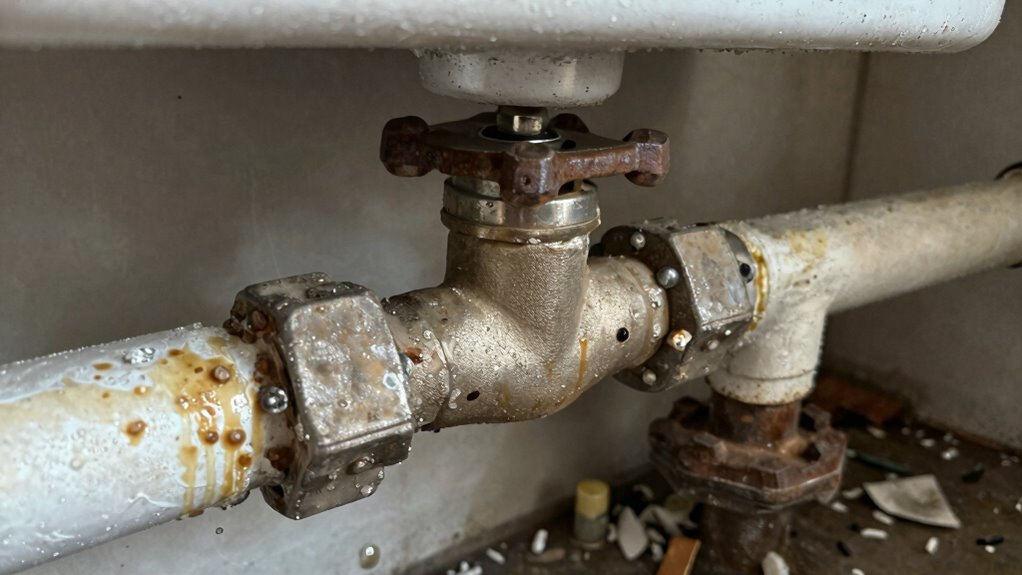
- Inspect pipe material for corrosion, cracking, or mineral buildup, especially in older systems.
- Notice reduced water flow or inconsistent pressure, signaling potential damage or system overload.
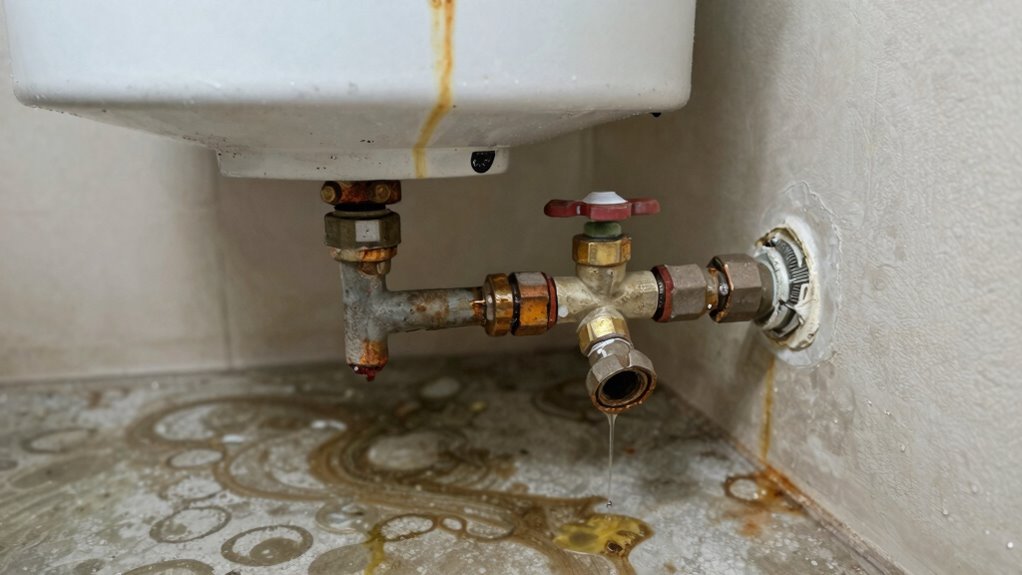
Is your home’s water equipment constantly battling stress and wear? If so, you might notice signs that your system is under more pressure than it can handle. One of the most common indicators is inconsistent water pressure. If you experience sudden drops or spikes in water flow, it could mean your pipes or fixtures are struggling to keep up with demand. Excessive water pressure, in particular, can put undue stress on your pipes, joints, and appliances, leading to leaks or early failures. Conversely, low water pressure might suggest blockages, pipe damage, or aging infrastructure that’s not capable of delivering water efficiently. Paying attention to these fluctuations helps you identify whether your home’s water system is being pushed too hard. Additionally, understanding water pressure regulation can help you take steps to maintain optimal pressure levels and protect your plumbing system.
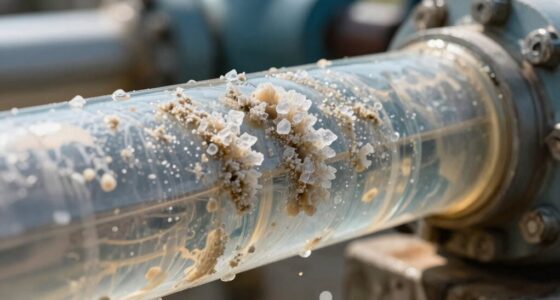
Another key factor that influences how tough your water equipment endures is the pipe material. Different materials react differently to stress, temperature changes, and water quality. For example, older pipes made of galvanized steel or lead are more prone to corrosion and mineral buildup, which restricts water flow and increases pressure in certain sections. Plastic pipes, like PVC or PEX, tend to be more resistant to corrosion, but they can still crack or degrade over time if exposed to extreme temperatures or UV rays. If your home has outdated pipe material, it’s likely more vulnerable to damage from high pressure or frequent use. This vulnerability can be compounded by pipe material that is not suitable for high-demand environments. Regular inspection and understanding the impact of pipe material on water system durability can help prevent costly repairs. Moreover, knowing how pipe lifespan varies based on material and usage can guide maintenance schedules and replacement decisions. Being aware of pressure fluctuations also helps you catch early signs of potential issues before they escalate into major repairs.
water pressure gauge for home plumbing
As an affiliate, we earn on qualifying purchases.
As an affiliate, we earn on qualifying purchases.
Frequently Asked Questions
Can Hard Water Cause Damage to Water Heaters?
Yes, hard water can cause damage to your water heater. The mineral buildup from minerals like calcium and magnesium can accumulate inside the tank and on the heating elements, reducing efficiency. Over time, this buildup shortens the water heater lifespan and can lead to malfunctions or failure. Regular maintenance, such as flushing the tank, helps prevent damage and extends the life of your water heater.
How Often Should Water Equipment Be Inspected?
You should inspect your water equipment at least once a year. Regular inspection helps you monitor water quality and catch issues early. If you notice signs of hard water, like mineral buildup or corrosion, consider increasing inspection frequency. Maintaining a consistent schedule guarantees your water equipment stays in good shape, prevents damage from hard water, and prolongs its lifespan. Don’t forget, good water quality is key to peak performance.
What Are Signs of Corrosion in Plumbing?
You’ll notice corrosion in your plumbing through discoloration, such as brown or green stains, or if you see small leaks and mineral buildup around fittings. To prevent further pipe deterioration, consider corrosion prevention measures like using corrosion-resistant pipes and installing water treatment systems. Regular inspections help catch early signs of corrosion, ensuring your plumbing stays in good shape and avoids costly repairs caused by pipe deterioration.
Does Low Water Pressure Indicate Equipment Issues?
Low water pressure often signals trouble, like a silent cry for help from your plumbing. When water flow diminishes or you notice pressure fluctuations, it’s a clear sign your system struggles. These issues can stem from clogs, leaks, or worn-out equipment. Ignoring them risks further damage. Addressing these signs promptly restores the steady flow of life’s essential water, ensuring your home remains a sanctuary, not a battleground.
Are Water Softeners Necessary for All Homes?
Water softeners aren’t necessary for all homes, but if you notice hard water issues like mineral buildup or soap scum, water softening can help. They reduce the strain on your plumbing and appliances, making equipment maintenance easier and more effective. If your water has high mineral content, installing a water softener can save you money in the long run by preventing damage and ensuring your water quality stays high.
As an affiliate, we earn on qualifying purchases.
Conclusion
Think of your home’s water system as a delicate dance partner—you need to treat it with care to keep the rhythm smooth. If you notice frequent repairs, mineral buildup, or low water pressure, it’s a sign your home’s environment is tough on your equipment. By staying vigilant and maintaining your system, you can prevent costly breakdowns and keep the dance going seamlessly. Remember, a little attention now saves a lot of trouble later.
pressure regulator for household water system
As an affiliate, we earn on qualifying purchases.
As an affiliate, we earn on qualifying purchases.
pipe corrosion inspection camera
As an affiliate, we earn on qualifying purchases.
As an affiliate, we earn on qualifying purchases.
Fall yard work Picks
leaf blowers
As an affiliate, we earn on qualifying purchases.