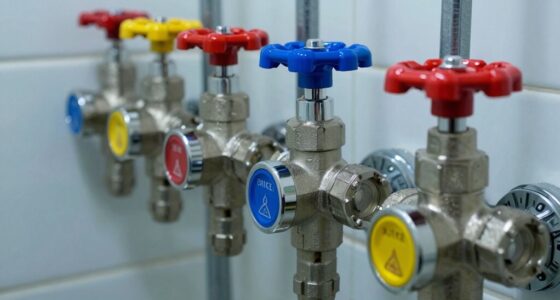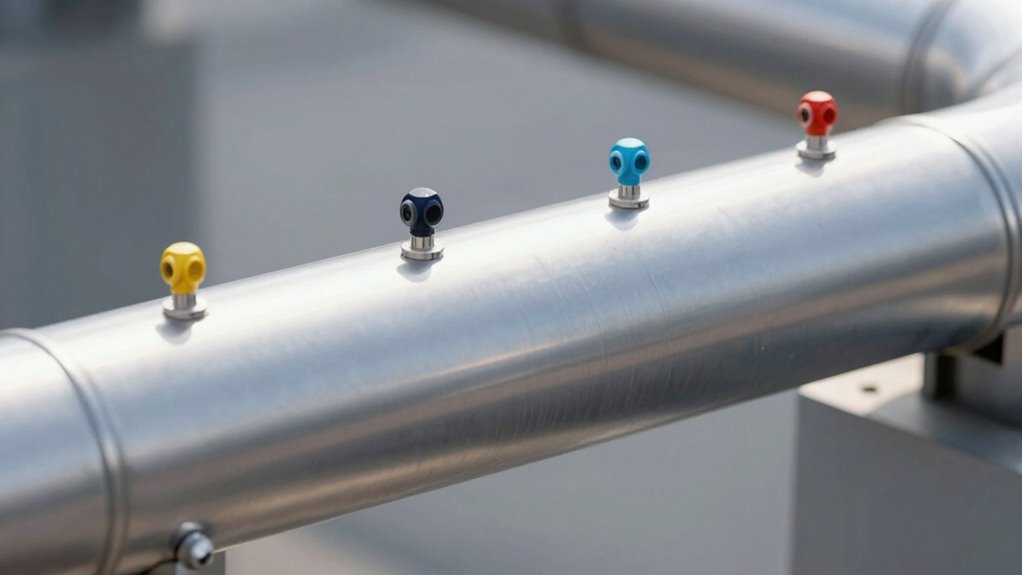

Your sensor placement greatly impacts leak detection outcomes by enabling you to catch leaks early and reduce damage. When you position sensors at probable leak points, consider environmental factors like airflow, temperature, and humidity to minimize false alarms. Proper placement combined with calibration improves accuracy and speeds up response times. This helps you analyze data better and keeps your system reliable over time. Keep exploring to discover how optimized sensor placement can make your leak detection even more effective.

Get home appliances delivered free with Prime
- Fast, free delivery on millions of items
- Prime Video, Amazon Music and more included
- Member-only deals all year
Key Takeaways
- Proper placement ensures sensors detect leaks early, minimizing damage and reducing system downtime.
- Strategic positioning reduces false alarms and missed detections, improving detection accuracy.
- Correct sensor placement enhances data quality, facilitating better analysis and faster response to leaks.
- Well-placed sensors simplify calibration and maintenance, maintaining system reliability over time.
- Optimal placement considers environmental factors, increasing overall system efficiency and environmental safety.
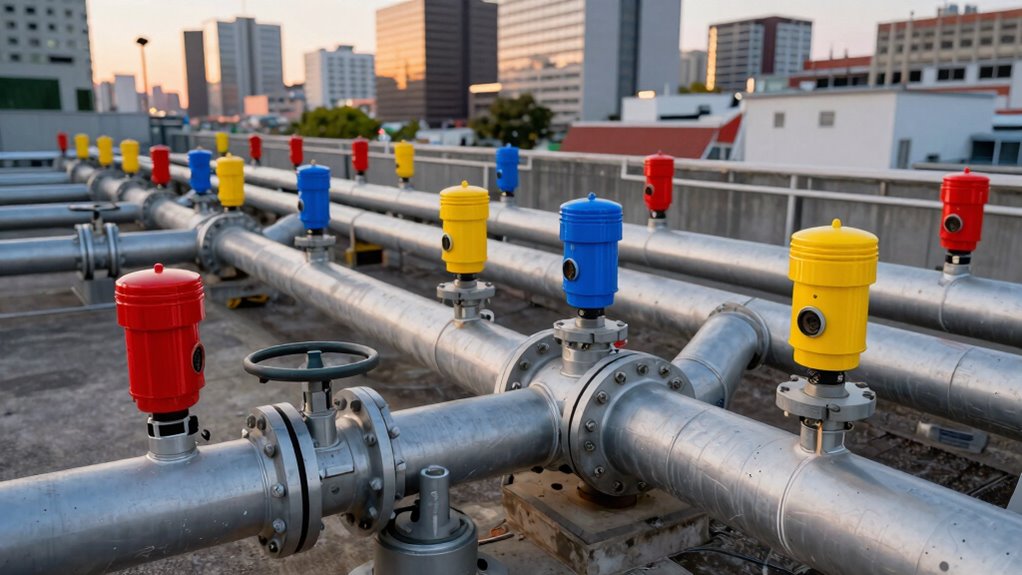
Effective sensor placement is essential for reliable leak detection because it directly impacts how quickly and accurately leaks are identified. When you position sensors strategically, you enable your system to detect leaks early, reducing potential damage and costly downtime. Proper placement ensures that sensors are exposed to the most probable leak points, whether they’re in pipelines, tanks, or other critical infrastructure. By considering environmental factors, such as airflow, temperature, and humidity, you improve the chance that sensors pick up the smallest changes indicating a leak. This strategic placement minimizes false alarms and missed detections, making your entire leak detection process more efficient. Additionally, understanding sensor calibration and environmental influences helps optimize placement strategies for even better results. Sensor calibration plays a significant role in this setup. When sensors are correctly calibrated for their specific environment and the substances they monitor, their readings become more accurate and reliable. Proper calibration ensures that the sensors respond appropriately to leak signals, avoiding false positives or negatives caused by environmental noise or sensor drift. When you combine well-placed sensors with routine and precise calibration, you enhance your system’s sensitivity and dependability, leading to quicker detection times and more trustworthy data. The data analysis becomes your best ally once sensors are effectively positioned and calibrated. The data collected from sensors needs to be processed and interpreted correctly to distinguish between normal fluctuations and genuine leaks. When sensors are in the right spots, the data they generate is more meaningful, making analysis straightforward. Advanced data analysis tools can identify patterns, trends, and anomalies that indicate a leak, even at very early stages. This helps you respond faster and more accurately, preventing small issues from turning into major problems. The placement of sensors also influences how you manage maintenance and system adjustments. If sensors are poorly positioned, you might find yourself chasing false alarms or dealing with inconsistent readings, which wastes time and resources. Proper placement allows for easier calibration and maintenance, ensuring your system remains accurate over time. When you regularly analyze data from well-placed sensors, you can identify potential problems before they escalate, making your leak detection system both proactive and cost-effective. Ensuring optimal sensor placement is also vital for indoor air quality and maintaining a healthy environment, as it helps prevent issues from going unnoticed. Incorporating best practices for sensor positioning can further enhance overall system performance and reliability. Regularly reviewing sensor placement strategies and adapting to environmental changes can significantly improve leak detection outcomes over time. Moreover, considering sensor network coverage ensures comprehensive monitoring across the entire system, reducing blind spots and increasing detection efficiency.
As an affiliate, we earn on qualifying purchases.
Frequently Asked Questions
How Does Sensor Placement Impact False Alarm Rates?
Sensor positioning directly impacts false alarm rates because improper placement can cause sensors to pick up irrelevant signals or noise. When you optimize sensor placement, you reduce false alarms, ensuring alarms are triggered only by genuine leaks. Proper alarm calibration is also vital; it fine-tunes sensor sensitivity, minimizing false alarms caused by environmental factors. Together, strategic sensor positioning and accurate alarm calibration improve leak detection reliability and reduce unnecessary alerts.
What Are the Best Practices for Sensor Maintenance?
Think of your sensors as vigilant guardians, standing watch over your system. Keep them sharp through regular sensor calibration, ensuring their senses stay true. Follow consistent maintenance schedules like clockwork, checking for dust or corrosion that could dull their awareness. Replace faulty sensors promptly to maintain a fortress of protection. This diligent upkeep transforms your detection system into a finely-tuned orchestra, ready to alert you at the first sign of trouble.
Can Sensor Placement Adapt Over Time?
Yes, sensor placement can adapt over time through dynamic positioning and adaptive calibration. You can adjust sensor locations based on leak detection data, ensuring ideal coverage as conditions change. Regularly recalibrating sensors helps account for environmental shifts or equipment wear, maintaining accuracy. This proactive approach allows you to refine sensor placement, improving leak detection outcomes and preventing potential issues before they escalate.
How Do Environmental Factors Influence Sensor Effectiveness?
Environmental factors critically sway sensor effectiveness, so you should consider them carefully. Variability like temperature shifts, humidity, and airflow can cause sensor calibration to drift, leading to false alarms or missed leaks. By monitoring environmental variability and regularly recalibrating sensors, you guarantee they stay sensitive and accurate. Staying vigilant against environmental influences helps optimize sensor performance, providing precise leak detection and protecting resources efficiently.
What Technology Advancements Improve Leak Detection Accuracy?
Advancements like improved sensor calibration and data integration markedly enhance leak detection accuracy. You can fine-tune sensors to reduce false alarms and guarantee precise readings. Integrating data from multiple sensors provides an all-encompassing view, helping you identify leaks faster and more reliably. These technologies enable real-time monitoring, making leak detection more effective and efficient, ultimately minimizing damage and costs.
As an affiliate, we earn on qualifying purchases.
Conclusion
By strategically placing sensors, you markedly improve leak detection accuracy. Think of it like a detective positioning clues; ideal locations can uncover issues faster and more reliably. The theory that better sensor placement leads to superior outcomes holds true, as evidence shows targeted placement reduces false alarms and shortens detection times. So, don’t underestimate the power of thoughtful sensor positioning — it’s your best tool for catching leaks early and saving resources.
environmentally calibrated leak sensors
As an affiliate, we earn on qualifying purchases.
As an affiliate, we earn on qualifying purchases.
industrial leak detection devices
As an affiliate, we earn on qualifying purchases.
As an affiliate, we earn on qualifying purchases.
Fall yard work Picks
leaf blowers
As an affiliate, we earn on qualifying purchases.