Developing the habit of drinking clean water regularly trains you to notice subtle changes in taste, color, or clarity that might indicate contamination. Your senses become an intuitive warning system, alerting you to potential issues before they worsen. By staying vigilant, you can detect early signs of problems, allowing quick corrective actions. Keep paying attention, and you’ll uncover more ways to safeguard your water quality and health over time.

Get home appliances delivered free with Prime
- Fast, free delivery on millions of items
- Prime Video, Amazon Music and more included
- Member-only deals all year
Key Takeaways
- Drink clean water regularly to develop familiarity with its normal taste, color, and clarity.
- Use your senses to detect unusual smells, tastes, or visual changes in water.
- Conduct routine visual checks for debris, cloudiness, or discoloration.
- Maintain and monitor home filtration systems for signs of malfunction.
- Stay vigilant for early contamination signs to enable prompt corrective actions.
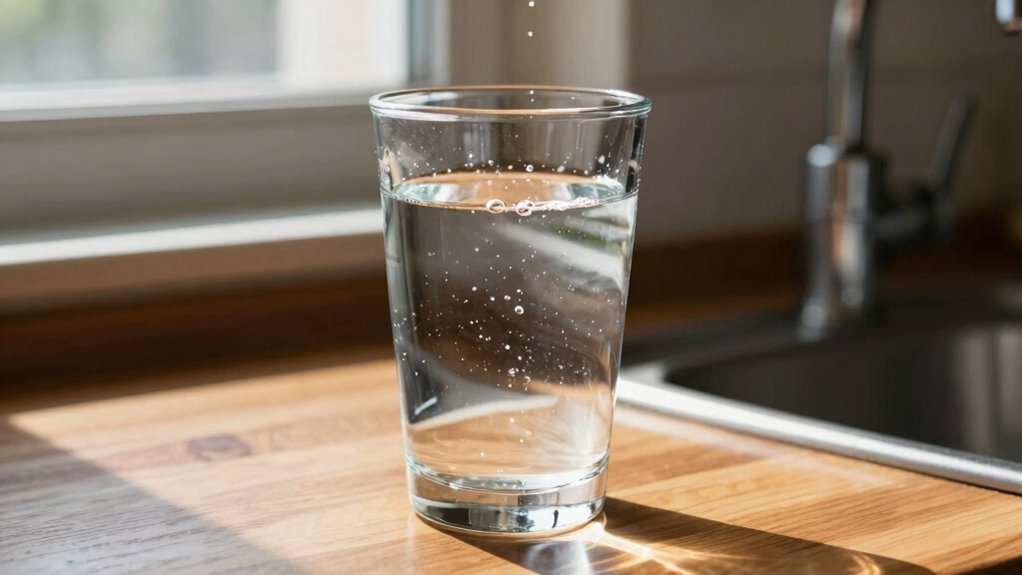
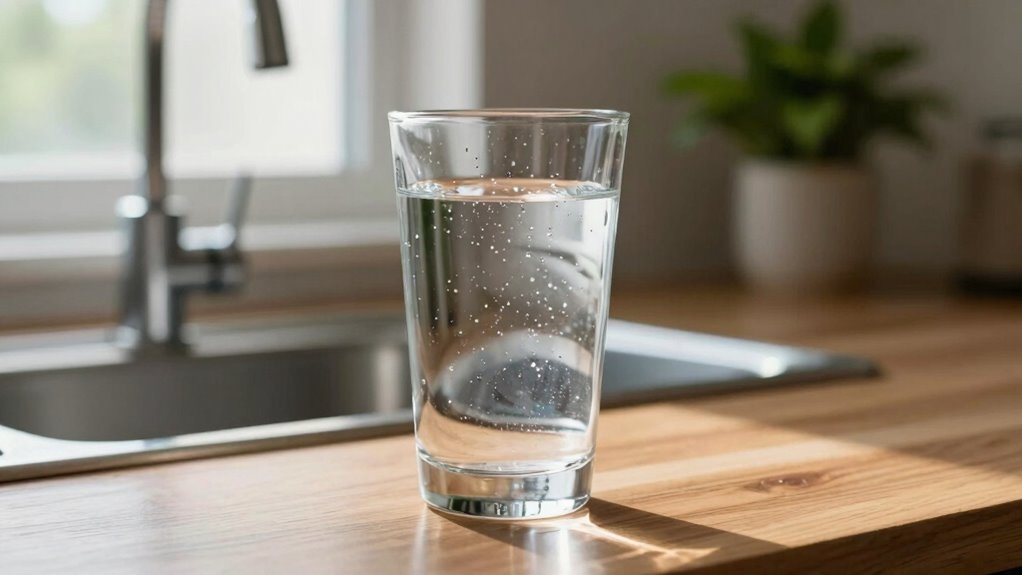
Maintaining a habit of drinking clean water can help you quickly notice when something’s wrong, such as changes in taste, color, or clarity. This simple practice isn’t just about staying hydrated—it’s a proactive way to keep an eye on water quality. When you regularly consume water that’s clean and clear, your senses become accustomed to its typical look and feel. If there’s a shift in taste or a cloudiness that wasn’t there before, you’re more likely to recognize it immediately. That early detection is essential because it can signal underlying issues with your water supply, such as contamination or malfunctioning filtration systems.
By being attentive to the water you drink every day, you develop an intuitive sense of what’s normal, which makes identifying problems easier. You won’t need fancy testing equipment to notice when something’s off; your own senses become a valuable early warning system. Changes in water quality, like an unusual smell or a strange taste, should never be ignored. These subtle signs often precede more serious health risks, giving you a chance to address issues before they escalate. Drinking clean water regularly helps you stay familiar with its usual characteristics, so deviations stand out clearly. This habit fosters a vigilant mindset—you’re more likely to take quick action, whether that means running your tap through a filter, boiling your water, or contacting your water supplier.
Furthermore, being mindful of water quality through daily consumption puts you in a better position to catch problems early. Sometimes, water systems develop minor issues that might not be immediately obvious but can affect your health over time. Spotting these early signs allows you to intervene sooner, possibly preventing exposure to harmful bacteria, chemicals, or pollutants. This habit also encourages you to maintain your home filtration systems and regularly check for integrity, ensuring they’re working properly. It’s about creating a routine that keeps you informed and prepared. Additionally, understanding the importance of regular testing can help you stay proactive in safeguarding your water supply and health. Recognizing the signs of contamination early on can be crucial for preventing health issues linked to water quality.
As an affiliate, we earn on qualifying purchases.
Frequently Asked Questions
How Often Should I Check My Water Quality at Home?
You should test your water quality at least once a year to guarantee safety and detect issues early. Regular water testing helps you identify contaminants or changes in water quality. If you use filtration systems, check and replace filters as recommended by the manufacturer. Also, consider testing more often if you notice strange tastes, odors, or discoloration, or if there’s been recent plumbing work or environmental changes near your home.
What Signs Indicate a Water Problem Before It Becomes Serious?
A subtle hint that your water may need attention is water discoloration or a strange odor. You might notice a tint of color or a faint smell, signaling potential issues. Stay alert to these signs, as they often precede more serious problems. Regularly observing your water’s appearance and smell helps you catch concerns early, enabling prompt action before they escalate. Trust your senses—they’re your first line of defense.
Can Clean Water Habits Prevent All Water-Related Health Issues?
Clean water habits, like regular water filtration and chemical testing, greatly reduce your risk of water-related health issues. By filtering your water, you remove contaminants, and testing helps identify chemical imbalances early. However, no habit can prevent all problems. Staying vigilant, maintaining your filtration system, and testing regularly guarantee you catch potential issues early, protecting your health while enjoying clean, safe water.
Are There Specific Tools to Help Detect Water Contamination Early?
Yes, you can use tools like testing kits and water sensors to detect contamination early. Testing kits allow you to analyze water samples for harmful bacteria or chemicals at home, providing quick results. Water sensors monitor your water supply continuously, alerting you to issues like pH imbalance or toxin presence. By regularly using these tools, you stay ahead of potential problems, ensuring your water remains safe and clean.
How Does Water Temperature Affect the Ability to Notice Issues?
Think of water temperature as a dimmer switch; it affects how clearly you see problems. When water is warmer, your temperature sensitivity drops, making visual cues like cloudiness or discoloration harder to spot. Cold water sharpens your senses, revealing issues sooner. So, always check for visual cues in different temperatures, ensuring you notice contamination early and take swift action to protect your water quality.
As an affiliate, we earn on qualifying purchases.
Conclusion
By making the clean-water habit your daily routine, you’re not just spotting problems—you’re catching disasters before they happen! Imagine your plumbing issues turning into catastrophic floods or your water turning into toxic sludge overnight. But thanks to this simple habit, you’ll stay one step ahead, preventing chaos and protecting everything you love. Don’t wait for a nightmare to strike—start noticing the signs now and save yourself from a potential disaster of epic proportions!
As an affiliate, we earn on qualifying purchases.
detect water contamination device
As an affiliate, we earn on qualifying purchases.
As an affiliate, we earn on qualifying purchases.
Fall yard work Picks
leaf blowers
As an affiliate, we earn on qualifying purchases.