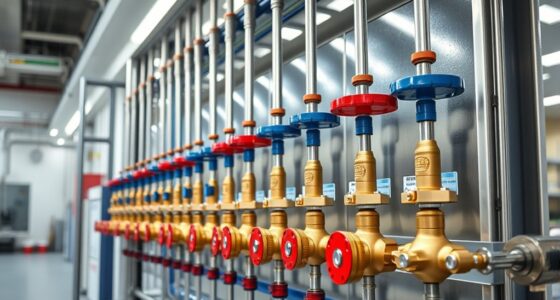

For a valving layout that makes sense, do prioritize accessibility by placing valves where you can easily operate and reach them for maintenance or emergencies. Avoid hard-to-access spots that slow down troubleshooting or increase downtime. Opt for clear, logical arrangements that reduce the risk of mistakes and make isolating sections straightforward. If you keep these principles in mind, you’ll improve system reliability and efficiency, and there’s more to learn about optimizing your setup for long-term performance.
Key Takeaways
- Position valves for easy manual access, avoiding hard-to-reach or obstructed locations.
- Use clear labeling and consistent layout to simplify troubleshooting and maintenance procedures.
- Place main and bypass valves strategically to facilitate quick isolation and system control during repairs.
- Select corrosion-resistant, sterilization-compatible materials to ensure durability and system integrity over time.
- Avoid complex valve configurations that increase failure risk; opt for straightforward, reliable layouts.

Valve Stem Removal Tool – 20Pcs Valve Cores, 10Pcs Tire Valve Caps, 4-Way Valve Tool, Valve Core Remover Tool By ZHSMS(35 PCS)
- Complete Valve Repair Kit: Includes valve cores, caps, and tools
- Easy Tire Valve Removal: Quickly remove or install tire valves
- Portable Multi-Function Tool: Compact tool with four functions
As an affiliate, we earn on qualifying purchases.
As an affiliate, we earn on qualifying purchases.
Designing Effective Main and Bypass Valves
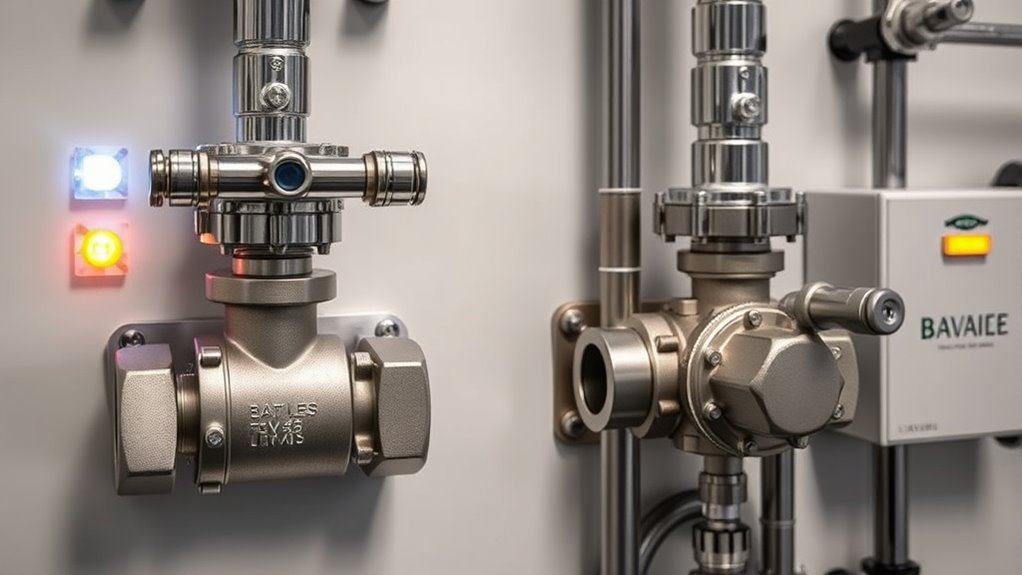
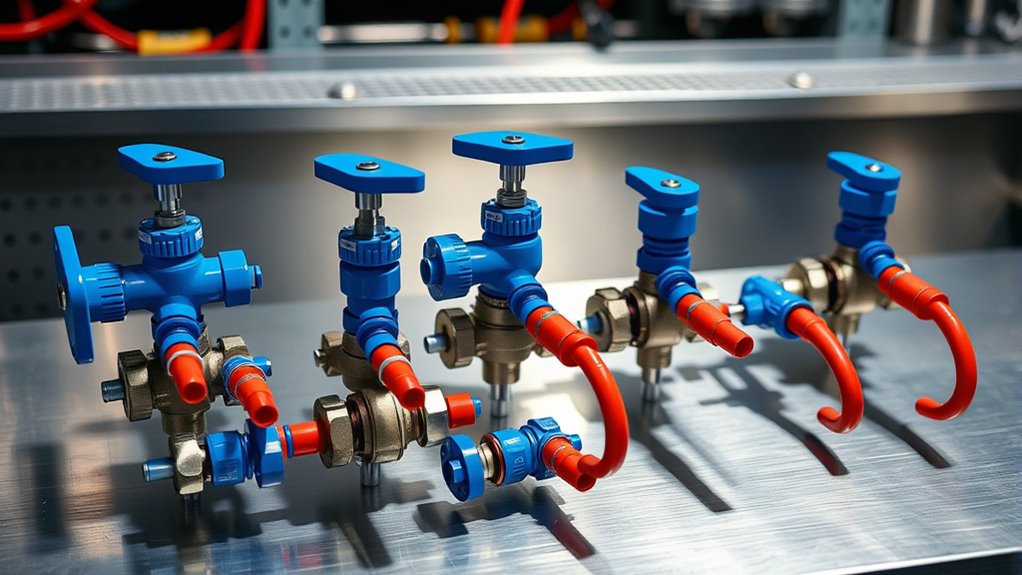
When designing effective main and bypass valves, it’s essential to guarantee they work seamlessly together to control flow and maintain system stability. Consider sterilization considerations, ensuring valves can withstand cleaning processes without degradation. Material compatibility is critical; select materials that resist corrosion, chemical exposure, and high temperatures to prevent failures. For sterilization, avoid materials that can release contaminants or degrade during autoclaving or chemical sterilization. Proper valve design also involves choosing materials compatible with your system’s fluids to prevent reactions or corrosion. Additionally, implementing risk assessment practices helps identify potential vulnerabilities in your valve setup and ensures long-term reliability. This ensures longevity and reliable operation. By prioritizing sterilization considerations and material compatibility, you create a resilient valve setup that supports safe, efficient system performance without risking contamination or mechanical failure.

Magic Plastics CR2 Corrosion Resistant Check Valve, 2" – 0801-20H2
- Hastelloy Spring for Durability: Proprietary corrosion-resistant spring
- Glass-Filled Noryl Shaft: Injection molded for strength
- Silicone Gasket: Never requires lubrication
As an affiliate, we earn on qualifying purchases.
As an affiliate, we earn on qualifying purchases.
Prioritizing Accessibility and Maintenance in Valve Placement
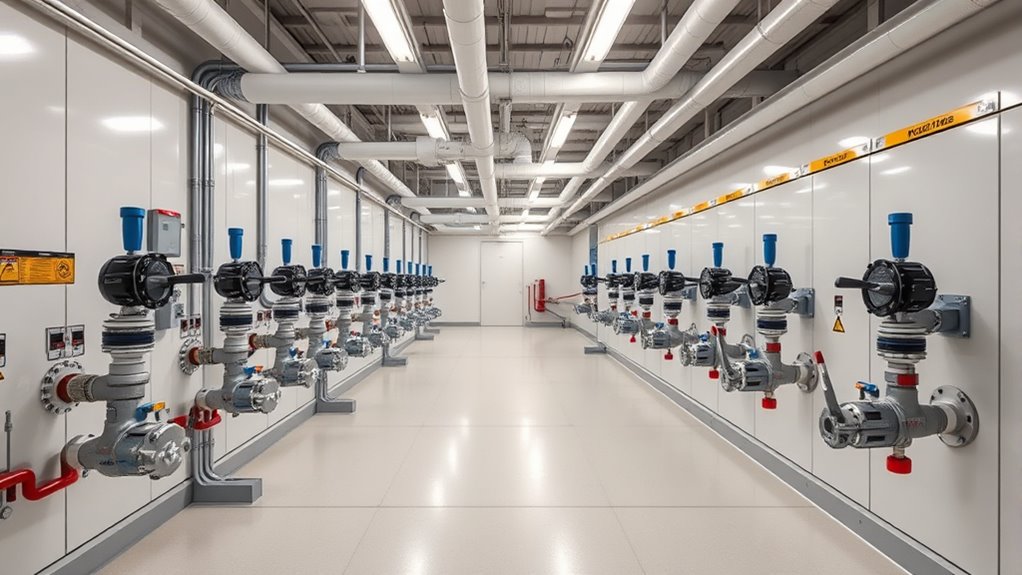
Prioritizing accessibility and maintenance in valve placement is essential for ensuring efficient system operation and minimizing downtime. You should place valves where manual operation is straightforward, avoiding hard-to-reach spots that slow repairs or adjustments. Accessibility allows for quick isolation during system issues, reducing downtime and preventing costly damage. Additionally, consider aesthetic integration—placing valves in locations that blend seamlessly with the environment helps maintain a clean, professional appearance. Proper placement also simplifies routine inspections and maintenance tasks, saving you time and effort. When you optimize valve locations with accessibility and aesthetics in mind, you ensure smooth operations, easier troubleshooting, and a safer workspace. Moreover, incorporating effective fraud prevention tools can help monitor and protect your investment from potential security threats. Ultimately, thoughtful valve placement saves money and enhances system longevity.

Shut Off Valve Tags, 24 Pack Plastic Valve Identification Tags with Rope, 2.5 x 5 Inch – Main, Gas, Water & Hose Bib Shut Off Labels, Plumbing Pipe ID Tags for Rental Property, Realtor & Home Use
- Package Includes: 24 plastic valve labels with ropes
- Size: 2.5×5 inches per label
- High Visibility: Eye-catching design for quick identification
As an affiliate, we earn on qualifying purchases.
As an affiliate, we earn on qualifying purchases.
Frequently Asked Questions
How Do I Determine the Optimal Valve Size for My System?
To determine the ideal valve size, first assess your system’s pressure regulation and flow control needs. Measure the maximum flow rate and pressure drop across the valve. Then, select a valve rated for that flow and pressure range. Confirm the valve size matches your pipe diameter for efficient operation. Proper sizing prevents pressure drops and maintains consistent flow, enhancing performance and reducing wear on your system components.
What Materials Are Best Suited for Corrosive Environments?
For corrosive environments, you should choose corrosion-resistant materials like PVC, PTFE, or Hastelloy. These materials offer excellent chemical compatibility, preventing degradation when exposed to harsh chemicals. You might also consider stainless steel grades like 316 or 317, which provide good corrosion resistance. Always verify chemical compatibility with your specific substances to guarantee durability and safety, and select materials that match the environmental conditions your system faces.
How Can I Prevent Valve Leaks Over Time?
Think of valve leaks as tiny cracks in your armor—you must stay vigilant. Regular valve maintenance keeps seals tight and components functioning smoothly, preventing leaks before they start. Use high-quality materials suited for your environment and guarantee proper installation. Leak prevention is an ongoing battle, so schedule routine inspections and promptly address any signs of wear. Staying proactive protects your system’s integrity and keeps everything running like clockwork.
What Are the Cost Considerations for Different Valve Types?
When comparing valve types, you should consider the cost comparison and maintenance costs. Ball valves are often less expensive upfront and require minimal maintenance, making them cost-effective for many applications. Conversely, globe valves may have higher initial costs but could reduce long-term maintenance expenses due to their durability and precision. Evaluate your budget and operational needs to select the valve type that balances initial investment with ongoing maintenance costs.
How Does Valve Placement Affect Overall System Efficiency?
You can’t judge a book by its cover, so proper valve placement is key. Position valves strategically for ideal flow and pressure regulation, ensuring smooth flow optimization throughout your system. When valves are too close or too far apart, it causes pressure drops or flow restrictions, reducing efficiency. Thoughtful placement minimizes energy loss, improves performance, and keeps your system running at its best. Properly placed valves are the backbone of a well-functioning setup.
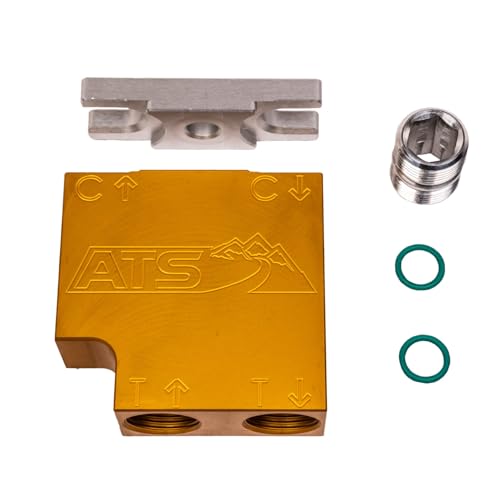
ATS Thermal Bypass Valve Up-Grade for 2013-Current 6.7L Cummins 2019+
- Enhanced Transmission Cooling: Reduces transmission temperatures and extends life
- High-Quality Construction: Billet aluminum filter coupler and clamp plate
- Prevents Transmission Damage: Eliminates bypass valve failure and overheating
As an affiliate, we earn on qualifying purchases.
As an affiliate, we earn on qualifying purchases.
Conclusion
So, next time you’re placing valves, remember: make them easy to reach, not hidden behind a mountain of pipes. After all, who wants to wrestle with a maze just to shut off a flow? Think of your valves as the VIPs of your system—accessible, recognized, and ready to save the day. Otherwise, you might as well invite chaos and frustration to the party. Keep it simple, keep it sensible—your future self will thank you.