
To guarantee your valving layout makes sense and complies with codes, start by evaluating your system’s flow and identifying control points. Prioritize accessibility, easily labeled valves, and proper installation per manufacturer specs. Avoid common mistakes like placing valves in hard-to-reach spots or overcomplicating the layout. By following key design principles and code requirements, you’ll improve safety and maintenance efficiency. Keep exploring to discover how to optimize your plumbing system for long-term performance.

Get home appliances delivered free — and shop member deals
- Fast, free delivery on millions of items
- Access to Prime Big Deal Days deals on October 6–7
- Prime Video, Amazon Music and more included
Key Takeaways
- Follow code requirements for accessible pressure control valves and backflow preventers during layout planning.
- Prioritize ergonomic placement for easy operation and maintenance access.
- Label all valves clearly and install them according to manufacturer specifications for compliance.
- Assess process flow to optimize valve placement for safety, efficiency, and ease of troubleshooting.
- Regularly inspect and maintain valve systems, ensuring accessibility and adherence to safety standards.
accessible pressure control valves
As an affiliate, we earn on qualifying purchases.
As an affiliate, we earn on qualifying purchases.
Understanding the Importance of Proper Valving Layouts
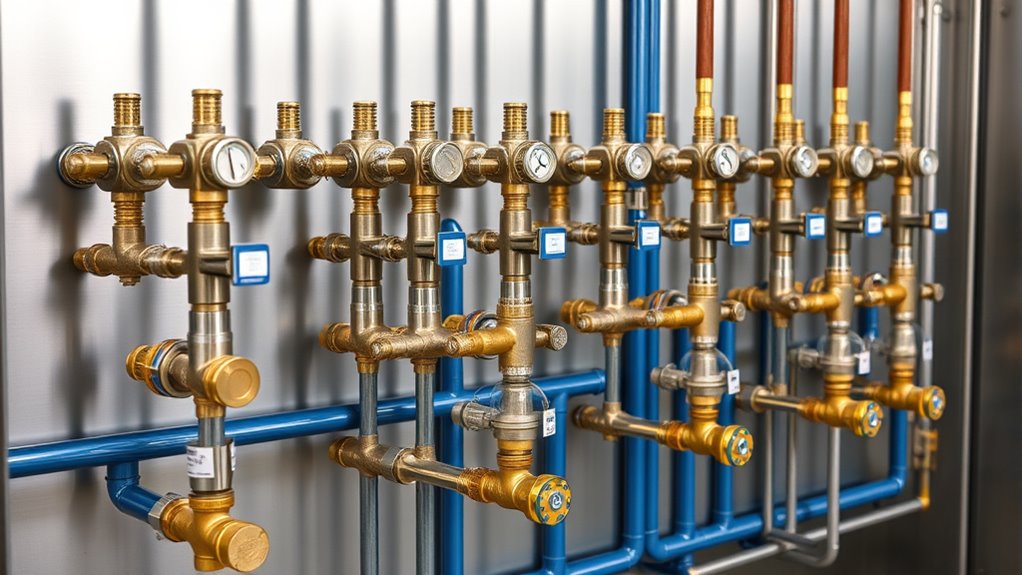
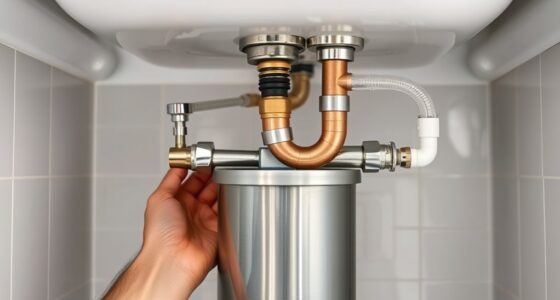
A proper valving layout is essential because it directly impacts the efficiency, safety, and ease of maintenance of your system. When designing your layout, consider valving ergonomics—placing valves where they’re easy to access and operate minimizes strain and reduces errors. Good ergonomics also speeds up maintenance and troubleshooting, saving you time and effort. Additionally, aesthetic integration plays a key role; a well-designed layout blends seamlessly with your system’s overall look, avoiding clutter and ensuring a cleaner appearance. Thoughtful valving placement enhances both function and visual appeal, making your setup safer and more user-friendly. Prioritizing these aspects guarantees your plumbing operates smoothly, reduces potential hazards, and maintains a professional appearance that aligns with your overall project standards. Incorporating space optimization principles into your layout design can further improve accessibility and system performance.
backflow preventer installation kit
As an affiliate, we earn on qualifying purchases.
As an affiliate, we earn on qualifying purchases.
Key Code Requirements for Plumbing Valves
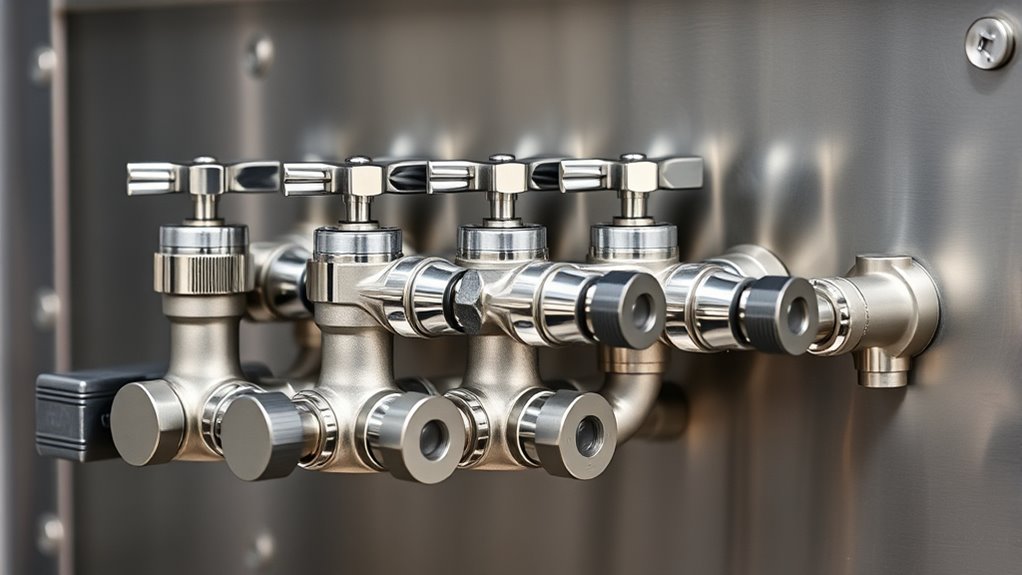
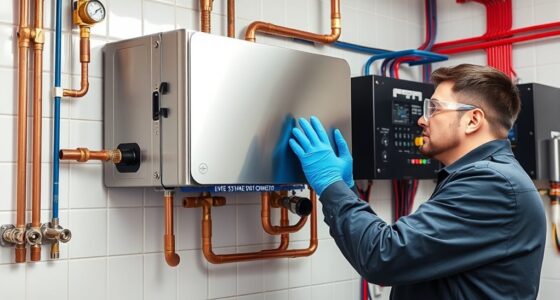
Have you confirmed your plumbing system complies with key code requirements for valves? Proper valving ensures safety and functionality, covering essential aspects like pressure regulation and backflow prevention. Codes mandate that valves controlling pressure must be accessible for maintenance and adjustment, preventing over-pressurization. Backflow prevention devices are critical to stop contaminated water from re-entering the potable supply; they must be installed where cross-connections could occur. Valves should be located in easily reachable spots, clearly labeled, and installed according to manufacturer specifications. Compliance with these requirements not only meets codes but also safeguards health and system integrity. Regular inspections help verify that pressure regulation devices function correctly and backflow preventers remain effective, ensuring your plumbing system stays compliant and safe. Additionally, understanding vibrational energy in relation to water flow can help in optimizing the system’s performance.
valve labeling tags for plumbing
As an affiliate, we earn on qualifying purchases.
As an affiliate, we earn on qualifying purchases.
Common Mistakes to Avoid in Valving Design
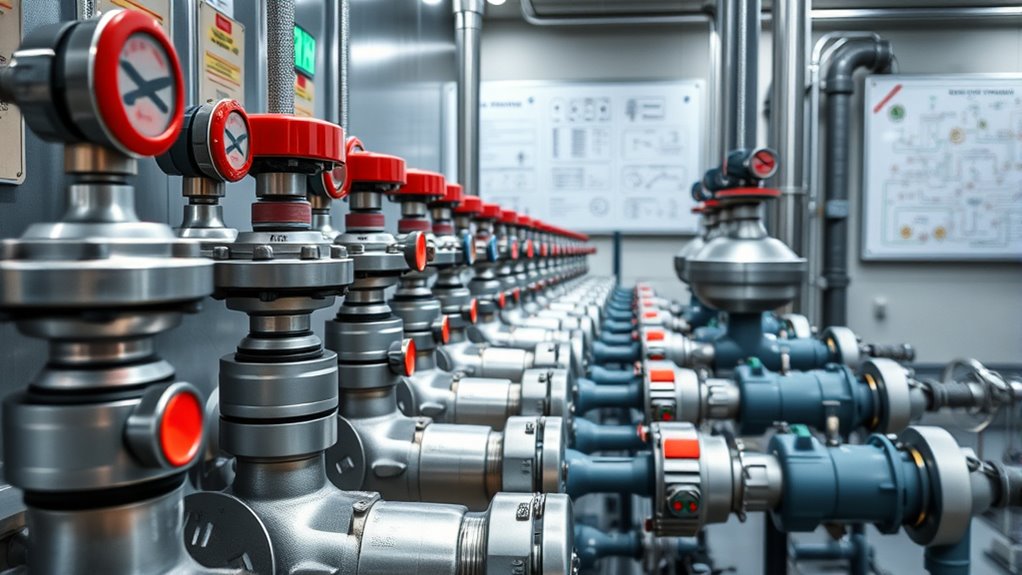
One common mistake in valving design is placing valves in hard-to-reach locations, which makes maintenance and adjustments difficult and can lead to neglect or overlooked issues. To avoid this, choose the right valve material that withstands your system’s environment and guarantees durability. Proper installation techniques are essential; ensure valves are accessible for future servicing and clearly labeled for easy identification. Ignoring these factors can cause delays during repairs and increase costs. Additionally, avoid overcomplicating the layout, which can lead to confusion and errors. Keep valve placement logical and straightforward, prioritizing accessibility and functionality. Proper planning around valve material and installation techniques helps guarantee your system remains reliable, compliant, and easy to maintain over its lifespan. Incorporating digital literacy programs can also improve your team’s ability to troubleshoot and manage your valving systems effectively.
As an affiliate, we earn on qualifying purchases.
Step-by-Step Guide to Planning an Efficient Valving System
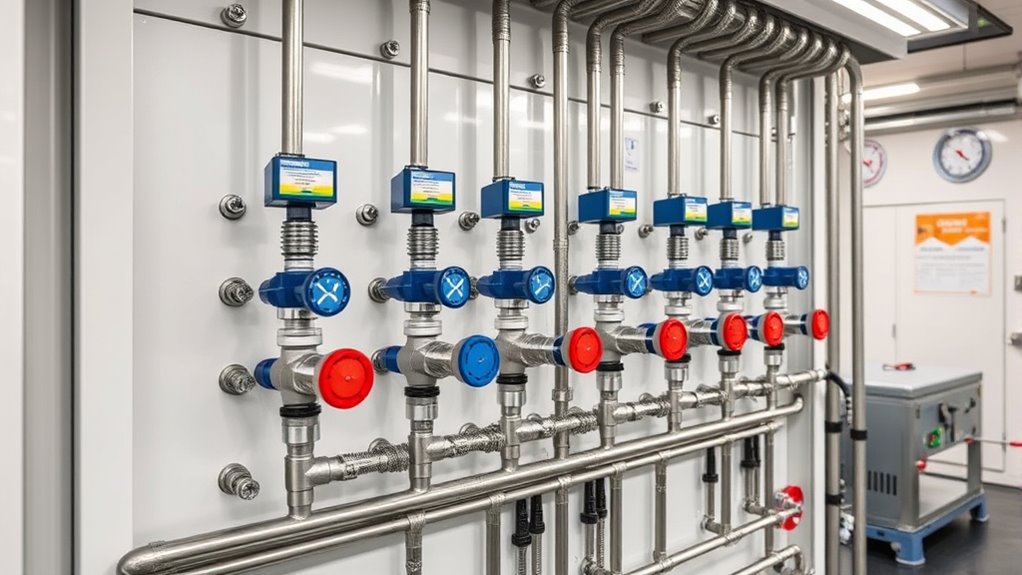
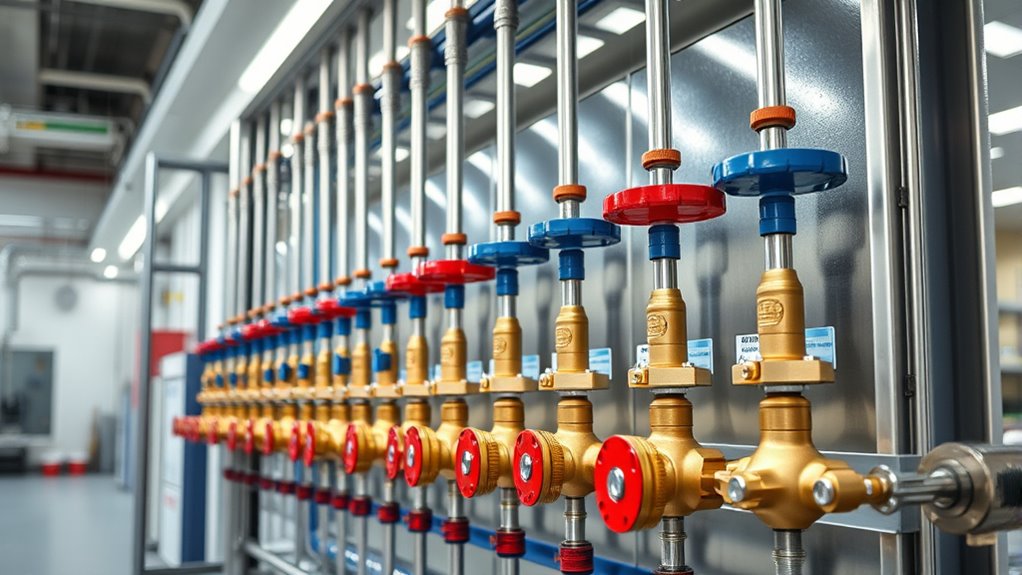
Planning an efficient valving system starts with understanding your process requirements and layout constraints. Focus on how pressure regulation and flow control fit into your system’s needs. Map out critical points for pressure drops and flow paths to guarantee smooth operation. Use the following table to visualize key decisions:
| Step | Action |
|---|---|
| 1 | Assess process flow and identify control points |
| 2 | Determine pressure regulation zones |
| 3 | Select valve types suitable for flow control |
| 4 | Plan valve placement for accessibility and efficiency |
This approach helps you optimize valve placement, reduce unnecessary complexity, and ensure compliance with codes. Proper planning minimizes future issues, ensuring your system functions reliably and efficiently. Incorporating well-being tips such as regular maintenance and system monitoring can further enhance system longevity and performance.
Tips for Inspecting and Maintaining Compliant Valving Installations
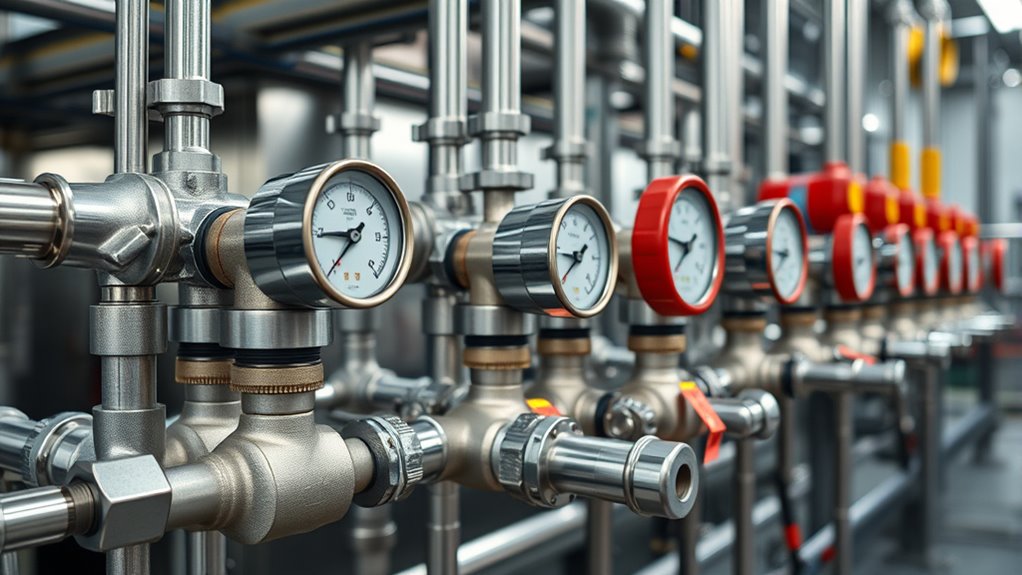
Regular inspection and maintenance are essential to guarantee your valving installations remain compliant with industry standards and safety regulations. Prioritize valve accessibility during inspections to ensure you can easily reach and operate valves without obstruction. Check for signs of wear, corrosion, or leaks that could compromise system safety. Maintaining clear access points reduces the risk of accidental damage and improves installation safety during routine checks or emergency shutdowns. Use proper tools and follow safety protocols to avoid injury. Record inspection results and schedule regular maintenance to prevent issues before they escalate. Ensuring proper valve accessibility not only keeps your system compliant but also enhances operational efficiency and safety for everyone involved. Incorporating risk assessment into your maintenance routine helps identify potential vulnerabilities before they lead to failures.
Frequently Asked Questions
How Do Different Valve Types Impact System Performance?
Different valve types greatly influence system performance by controlling flow regulation and pressure control. For instance, ball valves provide quick shutoff, ideal for flow regulation, while globe valves offer precise pressure control for delicate systems. Choosing the right valve guarantees ideal system efficiency, reduces downtime, and maintains compliance with codes. Your selection directly influences how effectively the system manages fluid dynamics, ensuring safety and consistent operation.
What Are the Environmental Considerations in Valving Layouts?
You should consider the environmental impact when designing valving layouts by minimizing material use and energy consumption. Incorporate sustainability practices like selecting eco-friendly materials and optimizing flow paths to reduce waste. Properly placed valves can prevent leaks and conserve resources, supporting your efforts to meet environmental standards. Prioritizing these factors guarantees your system is both efficient and environmentally responsible, aligning with broader sustainability goals and reducing your overall ecological footprint.
How Can Automation Improve Valving System Compliance?
Think of automation as your compass, guiding your valving system toward compliance. By integrating automation efficiency, you streamline operations and minimize human error, ensuring your system consistently meets codes. Compliance automation takes this further, automatically checking and adjusting valves to adhere to standards. This proactive approach reduces delays, avoids fines, and guarantees safety, allowing you to focus on optimizing performance while the system manages compliance seamlessly.
Are There Industry-Specific Valving Standards to Consider?
Yes, there are industry-specific valving standards you should consider. You need to follow industry guidelines to guarantee your system meets safety protocols and regulatory requirements. These standards vary across sectors like oil and gas, water treatment, or pharmaceuticals, and influence your valving layout and materials. Adhering to these guidelines helps you maintain compliance, avoid penalties, and ensure safe, efficient operations. Make sure to stay updated on the latest standards for your industry.
How Does Future Scalability Influence Valving Design Choices?
Think of your valving system as planting a tree; you want it to grow without constraints. Future scalability influences your design choices by addressing scalability challenges upfront, ensuring your system can expand smoothly. Incorporate future proofing strategies now, like modular valves and adaptable layouts, so your setup can handle growth without costly reconfigurations. This foresight keeps your system resilient and flexible, ready for whatever the future holds.
Conclusion
Remember, choosing the right valving layout isn’t just about compliance — it can boost system efficiency and safety. Did you know that improper valve installations account for nearly 30% of plumbing failures? By understanding code requirements and avoiding common mistakes, you guarantee your system runs smoothly and lasts longer. Stay vigilant during inspections and maintenance, and you’ll keep everything compliant and functioning perfectly. Don’t guess — plan wisely for reliable, code-compliant plumbing.
Fall Picks
fall essentials
As an affiliate, we earn on qualifying purchases.