
To tackle DIY installations, you’ll need essential tools like wrenches for bolts, cutters for wires, and screwdrivers for assembly. A cordless drill speeds up drilling and screwing tasks, while a jigsaw or circular saw makes precise cuts easy. Don’t forget safety gear such as goggles and ear protection to stay safe. Keeping tools organized and well-maintained guarantees smooth projects. Stay tuned to discover more must-have tools to complete your DIY toolkit successfully.

Get home appliances delivered free — and shop member deals
- Fast, free delivery on millions of items
- Access to Prime Big Deal Days deals on October 6–7
- Prime Video, Amazon Music and more included
Key Takeaways
- Essential hand tools like wrenches and screwdrivers are vital for assembling and securing fixtures accurately.
- Cutting tools such as wire cutters and utility knives streamline wiring and packaging tasks efficiently.
- Power tools like cordless drills and saws speed up installation and make cuts in tight or awkward spaces.
- Proper organization of tools enhances accessibility and saves time during installation projects.
- Regular maintenance and safety gear usage ensure tools operate safely and last longer.

Embarking on a DIY installation project can be rewarding, but having the right tools is essential for success. Whether you’re installing shelves, hanging fixtures, or working on furniture, your efficiency and safety depend on proper equipment. Power tools are a must-have for many tasks, saving you time and effort. A cordless drill, for example, allows you to drill holes and drive screws with ease, especially when working in tight or awkward spaces. A jigsaw or circular saw can cut through wood, drywall, or even metal, making your projects more precise and professional-looking. But with power tools comes the need for safety gear—think safety glasses, ear protection, and dust masks. These items shield you from debris, loud noises, and dust inhalation, reducing the risk of injury. Never underestimate the importance of safety gear; it’s your first line of defense against accidents.
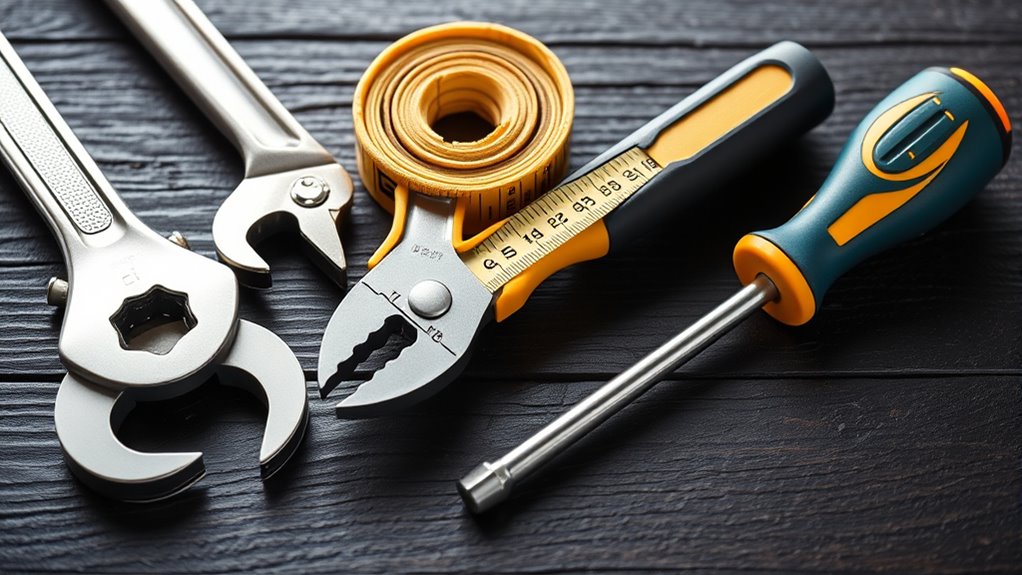
Beyond power tools and safety gear, having a solid set of hand tools is equally important. Wrenches, screwdrivers, and pliers are versatile and can handle a wide range of tasks. A good adjustable wrench is vital for tightening or loosening nuts and bolts, while various screwdrivers—both flat-head and Phillips—are necessary for assembling furniture or installing fixtures. Pliers help grip, bend, or cut wires and other materials, giving you control and precision. These tools are often overlooked but are crucial for completing detailed tasks efficiently and accurately.
A reliable set of hand tools is essential for precise, efficient DIY projects.
In addition to hand tools, cutters like wire cutters, bolt cutters, or utility knives make quick work of cutting wires, cables, or packaging materials. Having a sharp utility knife handy ensures clean cuts and reduces frustration. It’s best to keep these tools organized in a toolbox, so you can quickly access what you need without wasting time searching.
To make your project safer and more manageable, always ensure your power tools are in good condition and properly maintained. Check cords, blades, and batteries regularly. When working with power tools, don’t forget to wear your safety gear—gloves, goggles, ear protection—to prevent injuries. Remember, patience and preparation are key. Investing in quality tools and safety equipment not only makes your job easier but also keeps you safe throughout your DIY journey. Proper tools empower you to complete your installation accurately and efficiently, turning a potentially daunting task into a satisfying achievement.
cordless drill set for DIY projects
As an affiliate, we earn on qualifying purchases.
As an affiliate, we earn on qualifying purchases.
Frequently Asked Questions
What Safety Gear Should I Wear During DIY Installations?
When doing DIY installations, you should wear protective gloves to safeguard your hands from cuts, splinters, and chemicals. Safety goggles are essential to protect your eyes from debris, dust, or splashes. Always prioritize your safety by wearing these items, especially when cutting, drilling, or handling sharp tools. This simple step keeps you safe and allows you to work more confidently and efficiently during your project.
How Do I Choose the Right Size Wrench for My Project?
To choose the right size wrench for your project, focus on wrench size selection by matching the wrench’s jaw opening to the nut or bolt. Fitting the wrench snugly around the fastener prevents slipping and damage. Measure the fastener’s size or use a adjustable wrench for versatility. Always select a wrench that fits securely to guarantee safety and efficiency, avoiding the need for excessive force.
Are Power Tools Necessary for Basic DIY Tasks?
Power tools necessity? Not really, unless you enjoy turning simple tasks into epic battles. For basic DIY tools, a screwdriver, hammer, and a few wrenches usually suffice. You can achieve most projects with manual tools, saving money and space. Power tools are convenient, but they’re not essential for everyday repairs. Embrace your inner craftsman, and remember: sometimes, patience and a good hand tool beat the noise of a power drill.
How Do I Maintain and Store My Tools Properly?
To keep your tools in top shape, focus on tool organization by storing them in a dry, labeled toolbox or rack. Clean tools after each use to prevent dirt buildup, and apply rust prevention spray or oil to metal parts regularly. Proper storage protects tools from moisture and damage, ensuring they last longer. Consistent maintenance and organized storage make your DIY projects smoother and your tools more reliable.
What Are Common Mistakes to Avoid During DIY Installations?
Don’t let your project slip through your fingers like sand. To avoid common mistakes, double-check measurement accuracy and make certain tool compatibility before starting. Rushing can lead to errors, so take your time and follow instructions carefully. Using the wrong wrench or cutter can ruin materials or cause injury. Stay attentive, stay precise, and you’ll finish your DIY installation smoothly and confidently, avoiding costly setbacks along the way.
As an affiliate, we earn on qualifying purchases.
Conclusion
With the right tools at your fingertips, you’ll tackle any DIY project like a pro. Wrenches, cutters, and more aren’t just tools—they’re your secret weapons in transforming your space. Imagine your skills as a superhero’s arsenal, capable of conquering even the toughest installation challenges. So, gather your gear, stay confident, and remember: with these tools, you could build a fortress in no time. Ready to get started? The power’s in your hands!
safety goggles and ear protection kit
As an affiliate, we earn on qualifying purchases.
As an affiliate, we earn on qualifying purchases.
adjustable wrench and screwdriver set
As an affiliate, we earn on qualifying purchases.
As an affiliate, we earn on qualifying purchases.
Fall yard work Picks
leaf blowers
As an affiliate, we earn on qualifying purchases.