TL;DR
The UK Home Office’s media coverage has surged internationally, with mentions increasing tenfold within a specific period, according to GDELT. This indicates growing global interest or concern about UK security and immigration policies. The development is confirmed by GDELT data, but the reasons behind the surge are still unclear.
The UK Home Office has experienced a dramatic increase in international media mentions, with GDELT reporting a tenfold surge within a recent window. This development is also reflected in real estate coverage. This rise signals heightened global attention on UK security, immigration, and policy issues, making it a notable development for home office and housing market analysts worldwide.
According to GDELT, a global media monitoring database, mentions of the Home Office increased by a factor of ten in the recent reporting window. This surge is measured against a baseline of typical media coverage, indicating a significant spike in international news, analysis, and commentary.
While the exact causes of this surge are not yet confirmed, analysts suggest it could be related to recent policy announcements, high-profile security incidents, or diplomatic developments involving the UK. For more on regional developments, see Sila Realty Trust’s recent coverage. The increase has been observed across multiple regions, including Europe, North America, and Asia, reflecting broad international interest.
Officials and experts are monitoring the situation to determine whether this coverage reflects a temporary spike or signals a sustained shift in global perceptions of UK security and immigration policies.
Implications of the Global Media Surge on UK Policy Perception
The surge in international media coverage of the Home Office could influence diplomatic relations, public opinion, and policy debates within the UK. Increased global attention may lead to pressure on UK policymakers to justify or modify their security and immigration strategies. It also highlights the importance of UK policies on the international stage, especially amid ongoing geopolitical tensions.
For the UK government, understanding the drivers behind this surge is crucial, as it may affect future communication strategies and policy decisions. For the public and stakeholders, heightened media focus underscores the need for transparency and engagement with international audiences.

GoveeLife Upgraded Smart Water Leak Detector 1s with 1804 ft Ultra-Long Range, WiFi Water Sensor with SMS/Email/APP Push and Sound Alarm, 5-Year Battery Life, Suit for Home, Basement, Kitchen, 6 Pack
Breakthrough 1804 ft Connectivity: Engineered with advanced Sub-1G long-range wireless tech, our leak detector maintains robust signals over…
As an affiliate, we earn on qualifying purchases.
As an affiliate, we earn on qualifying purchases.
Recent Trends in UK Home Office Media Coverage
The Home Office has historically received varying levels of media attention, often linked to immigration, security, and border control issues. Over the past year, certain policy shifts and high-profile incidents have increased scrutiny domestically and abroad. The recent tenfold increase, as reported by GDELT, marks an unprecedented spike in global media interest.
Prior to this surge, coverage was relatively stable, with periodic spikes during major policy announcements or security events. The current development suggests a new phase of heightened international focus, possibly driven by recent government statements, international incidents, or diplomatic negotiations involving the UK.
Analysts note that such surges can be temporary but may also indicate longer-term shifts in media narratives and public perception.
“Mentions of the Home Office have increased tenfold within the recent reporting window, indicating a significant rise in media attention.”
— GDELT Project
Nitrate water test meter
As an affiliate, we earn on qualifying purchases.
As an affiliate, we earn on qualifying purchases.
Unclear Drivers Behind the Media Coverage Spike
While the data confirms a tenfold increase in mentions, the specific reasons for this surge remain unconfirmed. It is not yet clear whether recent policy changes, security incidents, or diplomatic developments are driving the coverage. Analysts caution that media spikes can be temporary and influenced by various factors, making it difficult to determine long-term significance at this stage.
Further investigation is needed to identify the precise causes and whether this trend will persist or diminish in the coming weeks.
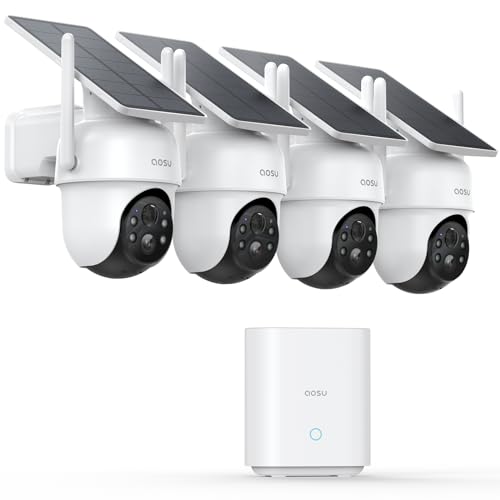
aosu Security Cameras Outdoor Wireless, 4 Cam-Kit, No Subscription Required, Solar-Powered, Home Security Cameras System with 360° Pan & Tilt, Auto Tracking, 2K Color Night Vision, Easy Setup
No Subscription Required with aosuBase: All recordings will be encrypted and stored in aosuBase without subscription or hidden…
As an affiliate, we earn on qualifying purchases.
As an affiliate, we earn on qualifying purchases.
Monitoring Media Trends and Policy Responses
Authorities and analysts will continue to track media coverage to assess whether the surge sustains or declines. The UK government may also respond publicly to clarify or address the reasons behind increased international attention. Additionally, media analysis and diplomatic engagement will be key to understanding the broader implications of this development.
Expect further reports and data releases from monitoring organizations like GDELT, alongside official statements from UK officials as the situation develops.
home office organization desk
As an affiliate, we earn on qualifying purchases.
As an affiliate, we earn on qualifying purchases.
Key Questions
What caused the surge in media coverage of the UK Home Office?
The exact causes are not yet confirmed. Possible factors include recent policy announcements, security incidents, or diplomatic developments, but further analysis is needed.
Is this increase in coverage temporary or long-term?
It is currently unclear. Media spikes can be temporary, but ongoing monitoring will determine if this trend persists.
How might this affect UK policies or international relations?
Increased media attention could influence diplomatic relations and policy debates, potentially prompting the UK government to clarify or adjust its strategies.
Will the UK government comment on this surge?
It is not yet known whether officials will publicly address the spike in coverage. Monitoring for official statements is ongoing.
What should the public or media focus on moving forward?
Observers should watch for official responses, further data from media monitoring organizations, and any policy shifts that may follow the increased coverage.
Source: gdelt