
TL;DR
Prime for Young Adults — start your free trial
Fast free delivery, streaming and member deals for eligible 18–24 year olds.
As an affiliate, we earn on qualifying purchases.
Architectural Digest reports on emerging trends and innovations shaping the future of home design. These developments include smart technology integration, sustainable materials, and adaptive architecture, impacting how people live and interact with their spaces.
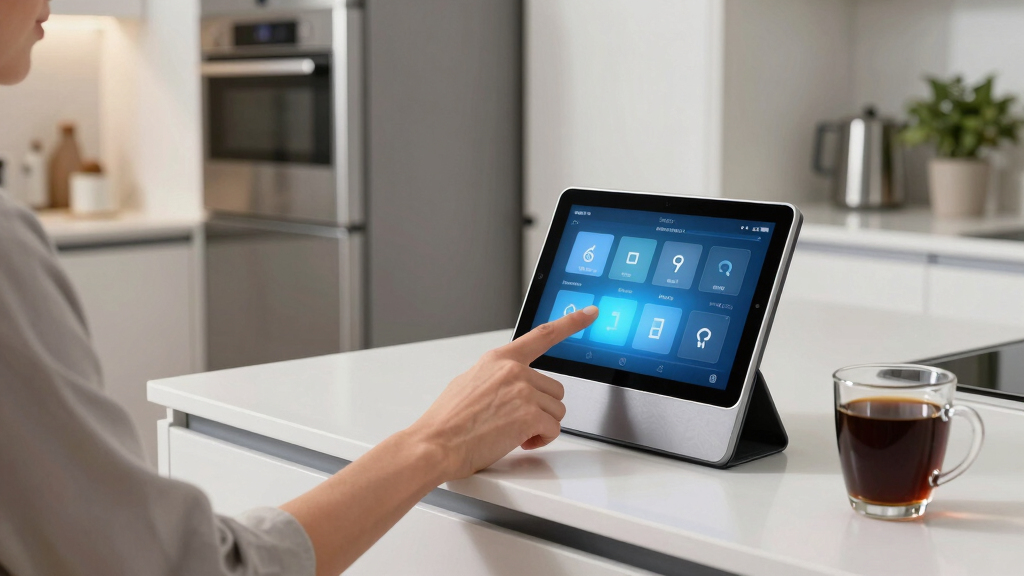
Architectural Digest reports that innovations in smart technology, sustainable materials, and adaptive architecture are transforming the future of residential living, with these trends gaining momentum in 2024.
Recent developments indicate a significant shift toward integrating advanced smart home systems that enhance automation and energy efficiency. New materials and construction techniques emphasize sustainability, reducing environmental impact. Additionally, adaptive architecture—designs that respond to changing needs and environmental conditions—is becoming more prevalent, allowing homes to be more flexible and resilient. Experts highlight that these trends are driven by consumer demand for more efficient, eco-friendly, and personalized living spaces, as well as advances in technology and materials science. While many of these innovations are already in pilot phases or early adoption, their widespread implementation is expected to accelerate over the next few years, fundamentally altering residential architecture and interior design.
Impacts on Home Design and Living Experience
These innovations will reshape how people interact with their homes, emphasizing sustainability, automation, and flexibility. They could lead to reduced energy costs, lower environmental footprints, and homes that adapt to residents’ changing needs. For homeowners and industry professionals, understanding these trends is crucial for future-proofing properties and aligning with evolving consumer preferences. Broader societal impacts include increased resilience to climate change and a shift toward more sustainable urban development. Overall, these developments mark a pivotal moment in residential architecture, with potential to improve quality of life and environmental outcomes.
As an affiliate, we earn on qualifying purchases.
Emerging Trends in Residential Architecture
Over the past decade, the home design industry has increasingly prioritized sustainability and technology integration. Recent reports from architectural firms and industry analysts highlight a surge in smart home devices, eco-friendly building materials, and adaptable spatial layouts. The concept of the ‘future home’ has been shaped by innovations such as energy-efficient insulation, renewable energy systems, and responsive architecture that adjusts to environmental conditions. These trends are supported by advancements in IoT (Internet of Things) technology and a growing consumer demand for personalized, sustainable living environments. While some of these innovations are still in development or early adoption stages, their potential to influence mainstream residential design is widely recognized, including the adoption of sustainable materials and technologies.
“The integration of smart technology and sustainable materials is fundamentally changing how homes are designed and experienced.”
— an anonymous researcher from Architectural Digest
energy-efficient insulation materials
As an affiliate, we earn on qualifying purchases.
As an affiliate, we earn on qualifying purchases.
Unconfirmed Aspects of Future Home Trends
While many innovations show promise, it is not yet clear how quickly they will be adopted at scale or how they will be regulated. Some technologies, such as fully adaptive architecture, remain in experimental phases, and their cost-effectiveness and long-term durability are still being evaluated. Additionally, market acceptance and regulatory frameworks may influence the pace of widespread implementation. It is also uncertain how these trends will intersect with existing building codes and standards, which could impact their integration into mainstream housing.
adaptive architecture home design
As an affiliate, we earn on qualifying purchases.
As an affiliate, we earn on qualifying purchases.
Next Steps for Industry Adoption and Policy
Industry stakeholders are expected to continue pilot projects and develop standards for smart and sustainable homes. Policy discussions around building codes and regulations are likely to evolve to accommodate these innovations. Consumer awareness and demand will also play a significant role in accelerating adoption. Over the coming years, industry reports and market analyses will track the progress and challenges of integrating these technologies into everyday residential architecture, shaping the future landscape of home design.
sustainable building materials for homes
As an affiliate, we earn on qualifying purchases.
As an affiliate, we earn on qualifying purchases.
Key Questions
What are the main technologies shaping the future of homes?
Key technologies include smart home automation systems, sustainable building materials, renewable energy integrations, and adaptive architecture that responds to environmental and user needs.
How will these innovations impact homeowners financially?
While initial costs may be higher, many innovations promise long-term savings through energy efficiency, reduced maintenance, and increased home resilience.
Are these trends already being implemented in new homes?
Yes, some pilot projects and early adopters are integrating these features, but widespread adoption is expected to grow over the next few years.
What challenges could slow down the adoption of these innovations?
Regulatory hurdles, high upfront costs, technological integration issues, and market acceptance are potential barriers to rapid adoption.
Will these innovations be accessible to all homeowners?
Accessibility will depend on market factors, affordability, and policy support, but industry efforts aim to make these technologies more widely available over time.
Source: Architectural Digest
NFL season / tailgating Picks
team gear
As an affiliate, we earn on qualifying purchases.