
Good drainage planning helps you prevent flooding, leaks, blockages, and contamination in treatment rooms. It guarantees wastewater flows efficiently away from sensitive areas, reducing the risks of water damage and mold growth. Properly designed systems keep surfaces dry and safe, minimizing odors and health hazards. By preventing backups and leaks, you protect your equipment and maintain a hygienic environment. Keep exploring to discover how effective drainage can support your treatment space’s efficiency and safety.
Key Takeaways
- Prevents water pooling, backflow, and flooding that can damage equipment and compromise safety.
- Reduces the risk of mold, odors, and surface deterioration caused by stagnant or improperly drained water.
- Avoids blockages, leaks, and backups that lead to operational disruptions and costly repairs.
- Minimizes cross-contamination and environmental hazards through effective waste and fluid management.
- Ensures hygiene, safety, and compliance by maintaining a sanitary, leak-free drainage system.
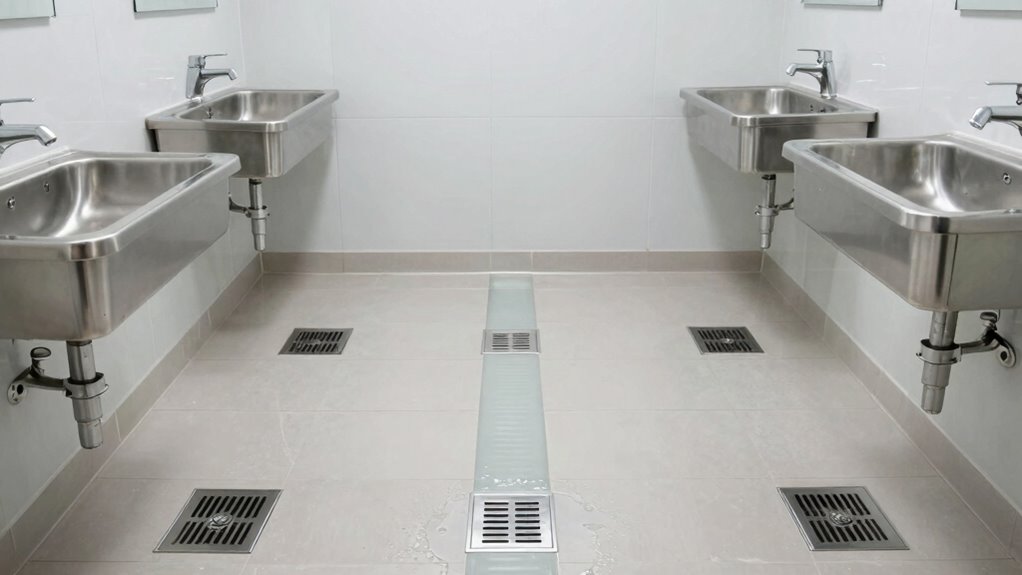
Effective drainage planning in treatment rooms is essential to guarantee smooth, sanitary operations and prevent water-related issues. When you design your drainage system properly, you control water flow effectively, making certain that wastewater from various procedures is directed away from critical areas without pooling or backflow. Proper water flow management minimizes the risk of water stagnation, which can lead to mold growth, unpleasant odors, and potential health hazards. It also helps maintain a clean environment, making routine cleaning easier and more efficient. Without a well-thought-out drainage plan, you might face frequent clogs or leaks that interrupt workflow and compromise hygiene standards. Incorporating biodiversity-aware drainage solutions can also support environmental sustainability by reducing harmful runoff. Additionally, understanding the importance of effective water flow management ensures that your system functions optimally under various operational demands. Proper design considerations, such as material selection and system layout, are crucial for long-term effectiveness.
Proper drainage planning ensures a clean, safe, and efficient treatment environment by preventing clogs, backflow, and water stagnation.
Waste management is another vital aspect that good drainage planning addresses. By implementing an effective system, you make sure that all waste—biological, chemical, or solid—is properly channeled and disposed of without contaminating the workspace. This prevents cross-contamination between different areas and safeguards both staff and patients. Good drainage design includes appropriate traps, filters, and separators that prevent waste from entering the water system prematurely. This not only protects your plumbing but also reduces the chance of hazardous spills or leaks that could pose safety risks. When waste isn’t managed properly, it can lead to stubborn blockages, foul smells, and even health code violations, all of which disrupt your daily operations. Proper waste management enhances overall hygiene and compliance standards. Additionally, integrating proper drainage maintenance ensures systems remain functional and effective over time, preventing unexpected failures. Regular inspections and cleaning are vital components of this maintenance.
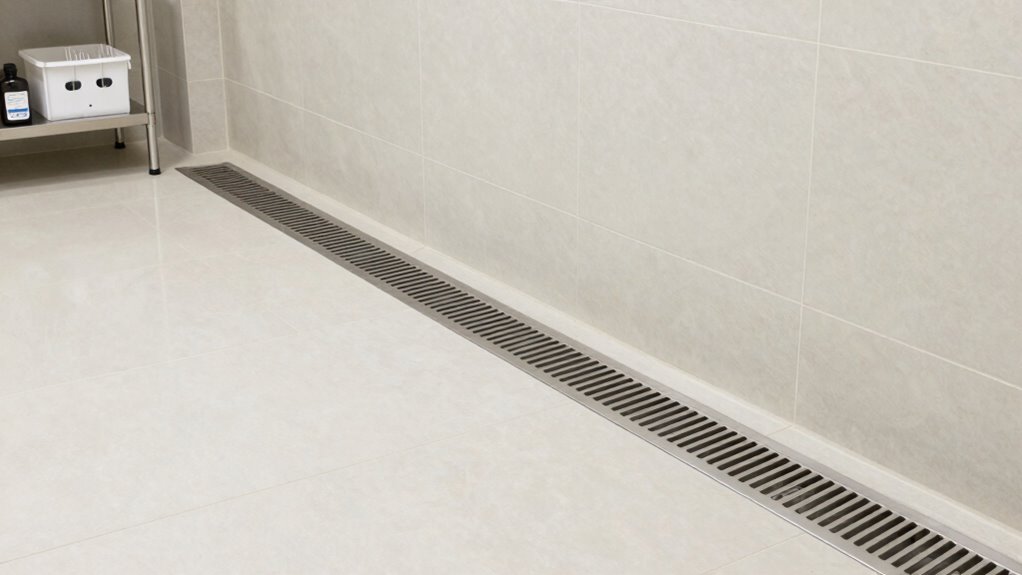
Preventing water-related issues is a key benefit of effective drainage planning. If your system isn’t designed with care, you could experience flooding during heavy use or after cleaning, which damages equipment and creates unsafe conditions. Water backups can also cause staining or corrosion of surfaces and fixtures, increasing maintenance costs over time. Proper slope and positioning of drainage outlets are critical to prevent standing water, which attracts pests and accelerates deterioration of surfaces. When your drainage system is well-planned, it ensures consistent, reliable removal of all liquids and waste, reducing the chances of costly repairs and downtime. Moreover, designing for environmental sustainability can further reduce the ecological impact of your drainage system.
In essence, good drainage planning in treatment rooms keeps everything running smoothly. It manages water flow to prevent flooding, leaks, or backups, and it handles waste efficiently to avoid contamination and odors. This foresight not only enhances hygiene and safety but also streamlines your operations, giving you peace of mind that your treatment environment remains sanitary and compliant. By investing in a thoughtful drainage design, you safeguard your space against common water-related problems, ensuring your treatment room stays functional, safe, and efficient for everyone who uses it.
An Introduction to Hospital Drainage Systems (Hospital and Medical Clinic Design and Engineering)
As an affiliate, we earn on qualifying purchases.
As an affiliate, we earn on qualifying purchases.
Frequently Asked Questions
How Often Should Drainage Systems Be Inspected in Treatment Rooms?
You should inspect drainage systems in treatment rooms at least quarterly to guarantee proper water flow and prevent blockages. Regular inspections help you identify potential issues early, reducing the risk of backups or contamination. Incorporate these inspections into your maintenance schedules, paying close attention to pipes, drains, and vents. Consistent checks keep your drainage system functioning smoothly, maintaining a safe and efficient environment for patient care.
What Materials Are Best for Durable Drainage in Medical Environments?
Think of your drainage system as the backbone of your treatment room—strong, reliable, and built to last. Stainless steel and polypropylene are your best materials, offering top-tier durability and resistance to corrosion. They require minimal maintenance, like a well-oiled machine, ensuring smooth operation under constant use. Choosing these materials helps prevent leaks and blockages, keeping your environment safe and hygienic, so your focus stays on patient care.
Can Drainage Planning Adapt to Future Treatment Room Expansions?
Yes, drainage planning can adapt to future expansion by incorporating an adaptable design from the start. You should plan for extra capacity and flexible piping routes now, which makes adding new treatment areas easier later. Using modular components and scalable systems guarantees your drainage infrastructure can grow with your facility’s needs, saving you time and money. Thoughtful planning today helps prevent costly upgrades or disruptions when your treatment room expands tomorrow.
What Are the Cost Implications of Installing Advanced Drainage Systems?
Installing advanced drainage systems can initially be costly, but it enhances cost efficiency over time. You’ll likely see savings through reduced maintenance requirements and fewer repairs, as these systems are designed to handle higher loads and prevent blockages. While upfront expenses are higher, investing in advanced drainage improves long-term operational efficiency, minimizes downtime, and can lead to lower overall maintenance costs, making it a smart choice for your treatment room.
How Does Drainage Planning Impact Infection Control Protocols?
Good drainage planning directly impacts infection control by reducing water contamination risks and supporting pathogen control. When you design drainage systems effectively, you prevent standing water and leaks that can harbor bacteria and viruses. This helps maintain a sterile environment, minimizes cross-contamination, and guarantees compliance with health protocols. Proper drainage also facilitates quick cleaning, reducing infection spread and protecting both staff and patients from potential infections.
treatment room waste trap
As an affiliate, we earn on qualifying purchases.
As an affiliate, we earn on qualifying purchases.
Conclusion
Good drainage planning isn’t just about preventing messes; it’s about safeguarding your entire treatment environment. While a cluttered or poorly designed drainage system can lead to costly repairs and compromised hygiene, effective planning guarantees smooth operations and patient safety. Just as a solid foundation supports a sturdy building, thoughtful drainage design underpins your treatment room’s efficiency. Neglect it, and chaos may follow; prioritize it, and you pave the way for seamless, safe care.

Urine Diverter for Portable Composting Toilet Odor Management, Compact Waste Separator for Outdoor Sanitation Compatible with Standard 5 Gallon Buckets, Ideal for Camping, RVs, and Off-Grid Living
ADVANCED ODOR CONTROL: Efficiently separates liquid from solid waste to prevent moisture buildup and ammonia-based scents. This waste…
As an affiliate, we earn on qualifying purchases.
As an affiliate, we earn on qualifying purchases.
treatment room plumbing filters
As an affiliate, we earn on qualifying purchases.
As an affiliate, we earn on qualifying purchases.