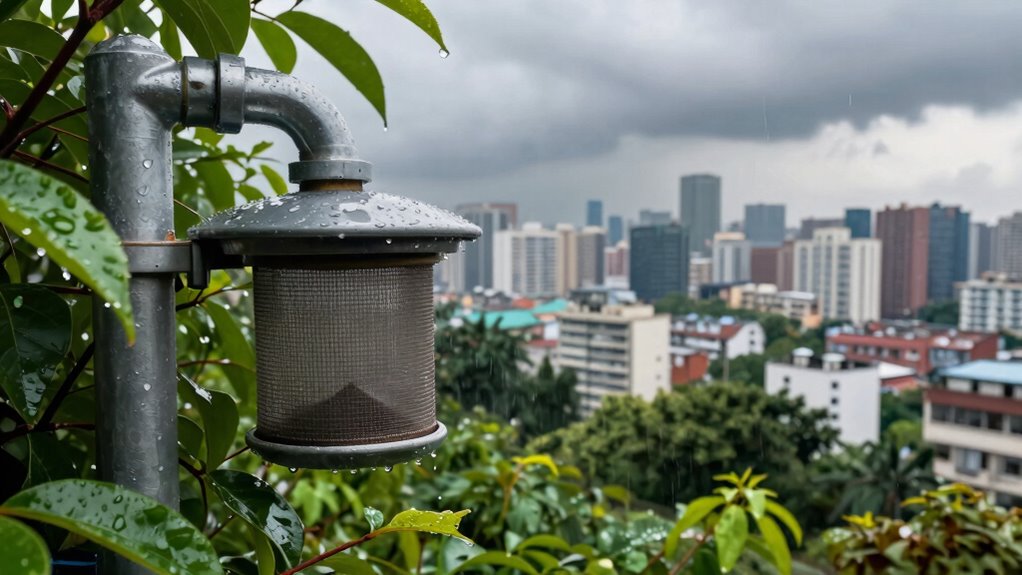

You need a broader risk view for rainwater systems because they impact urban resilience, environmental health, and infrastructure capacity, especially as climate change causes more intense storms. Unlike city water systems focused on drinking water, rainwater management must consider flood risks, pollution runoff, and ecosystem impacts. Poor planning or maintenance can lead to flooding, infrastructure damage, and environmental contamination. Stick with us to understand how integrated approaches can better protect communities and landscapes from future weather extremes.

Get home appliances delivered free — and shop member deals
- Fast, free delivery on millions of items
- Access to Prime Big Deal Days deals on October 6–7
- Prime Video, Amazon Music and more included
Key Takeaways
- Rainwater systems manage storm runoff and flooding, requiring broader planning beyond drinking water infrastructure.
- Heavy rainfall can overwhelm poorly maintained systems, causing localized flooding and infrastructure failure.
- Runoff carries pollutants that threaten environmental health if not managed within a broader risk framework.
- Climate change-induced weather extremes demand resilient, future-proofed rainwater management strategies.
- Holistic urban planning ensures rainwater systems integrate with other infrastructure to prevent bottlenecks and back-ups.
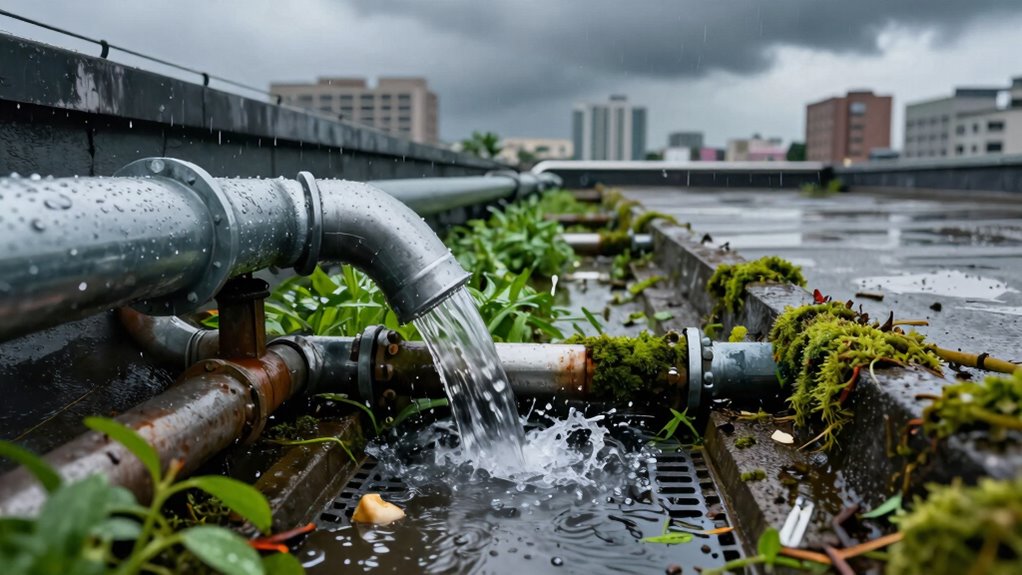
Rainwater systems play an essential role in managing runoff and preventing flooding, but they also pose significant risks if not properly designed and maintained. Unlike city water systems, which are primarily focused on delivering clean drinking water, rainwater systems are deeply intertwined with stormwater management and infrastructure resilience. You need to see beyond just the immediate function of collecting and directing rainwater; instead, you must contemplate how these systems fit into the broader landscape of urban sustainability and safety.
When you overlook the broader risk view, you risk underestimating the complex challenges rainwater systems face. Heavy rains, for example, can overwhelm poorly maintained systems, leading to localized flooding or even infrastructure failure. This isn’t just about water overflowing into streets; it’s about the long-term integrity of your entire drainage network. Inadequate capacity or aging infrastructure can turn a manageable storm into a catastrophe, affecting homes, businesses, and transportation routes. Recognizing these vulnerabilities helps you prioritize investments that bolster infrastructure resilience, assuring your drainage systems can handle more extreme weather events predicted with climate change.
Additionally, stormwater management isn’t just about preventing floods; it’s about safeguarding ecosystems and public health. Runoff often carries pollutants from urban surfaces—oil, chemicals, debris—that can contaminate local water bodies if not properly managed. A narrow focus on water collection ignores these environmental risks. When you adopt a broader risk perspective, you see the importance of incorporating green infrastructure, such as permeable pavements or rain gardens, which help absorb and filter runoff. These solutions not only reduce strain on traditional drainage but also enhance ecosystem health**, and incorporating nature-based solutions can provide multiple environmental benefits. Furthermore, urban planning strategies play a crucial role in creating resilient and sustainable rainwater management systems. Recognizing the importance of climate resilience is vital for adapting these systems to future weather extremes and urban growth. Moreover, integrating climate-resilient design** principles ensures these systems remain effective amidst increasing climate variability.
To truly achieve resilience, it’s also essential to consider the interconnection between rainwater systems and other urban infrastructure, as poor coordination can exacerbate risks. Poorly coordinated systems can create bottlenecks, increasing the risk of back-ups and flooding during storms. As you plan and maintain these systems, it’s imperative to think holistically—integrating flood risk assessments, land use planning, and emergency response strategies. This approach ensures your infrastructure remains resilient against future storm intensities and urban growth.
Ultimately, your goal should be to view rainwater systems through a holistic lens—one that encompasses stormwater management, environmental protection, and infrastructure resilience. Doing so not only minimizes immediate risks but also prepares your city to face the unpredictable challenges ahead. By expanding your perspective, you better protect your community’s safety, health, and sustainability in an era of changing climate patterns.
As an affiliate, we earn on qualifying purchases.
Frequently Asked Questions
How Do Rainwater Systems Impact Local Ecosystems Differently Than City Water?
Rainwater systems impact local ecosystems differently than city water by causing wildlife disturbance and soil erosion if not managed carefully. When you collect or divert rainwater, you might disrupt habitats or movement patterns of local animals. Additionally, poor management can lead to soil erosion, degrading plant life and water quality. You need to take these potential risks into account and implement measures to protect ecosystems while leveraging rainwater systems effectively.
What Are the Long-Term Financial Risks of Relying Solely on Traditional Rainwater Systems?
Relying solely on traditional rainwater systems risks your financial stability like sailing into a storm without a compass. Long-term, this approach can lead to significant costs from system failures, regulatory changes, and climate unpredictability. Without a broader risk view, your investment security diminishes, exposing you to unforeseen expenses and potential shortages. Diversifying water sources and adopting resilient systems guarantee your financial future remains protected against these evolving threats.
How Can Climate Change Alter the Risks Associated With Rainwater Harvesting?
Climate change increases climate variability and introduces more extreme weather events, which can disrupt your rainwater harvesting system. You might face unpredictable rainfall patterns, droughts, or intense storms that overwhelm storage capacity or contaminate collected water. To mitigate these risks, you need a broader risk view, incorporating climate data and flexible design strategies, ensuring your rainwater system remains resilient despite changing weather conditions.
Are There Specific Geographic Areas More Vulnerable to Rainwater System Failures?
Certain geographic considerations make some areas more vulnerable to rainwater system failures. Regions with high rainfall variability, urbanization, or poor infrastructure face increased risks from flooding, contamination, or system overloads. Regional vulnerabilities like drought-prone zones or areas with unstable soil also play a role. You should evaluate these regional vulnerabilities carefully, understanding how local climate, geography, and development patterns influence your rainwater system’s resilience and potential failure points.
How Do Legal Regulations Influence Broader Risk Assessments for Rainwater Systems?
Think of legal regulations as a sturdy lighthouse guiding your rainwater system’s safety. Legal compliance shapes your risk assessments by setting clear standards, while policy influence acts as the wind directing your course. These laws compel you to take into account broader risks, like contamination or flooding, beyond basic functionality. By aligning with legal frameworks, you guarantee your system’s resilience, reduce liability, and protect communities, making your risk management both thorough and compliant.
permeable pavement for runoff filtration
As an affiliate, we earn on qualifying purchases.
As an affiliate, we earn on qualifying purchases.
Conclusion
So, next time you let rainwater run wild, just remember—you’re inviting a flood of unforeseen risks into your life. Think of your rainwater system as a mischievous pet, unpredictable and in need of constant supervision. Don’t just see it as a simple gutter; see it as a ticking time bomb, ready to release chaos when least expected. Broader risk awareness isn’t just smart—it’s your best defense against the stormy surprises lurking just beyond the clouds.
rainwater harvesting and storage tanks
As an affiliate, we earn on qualifying purchases.
As an affiliate, we earn on qualifying purchases.
green infrastructure for urban resilience
As an affiliate, we earn on qualifying purchases.
As an affiliate, we earn on qualifying purchases.
Fall Picks
fall essentials
As an affiliate, we earn on qualifying purchases.