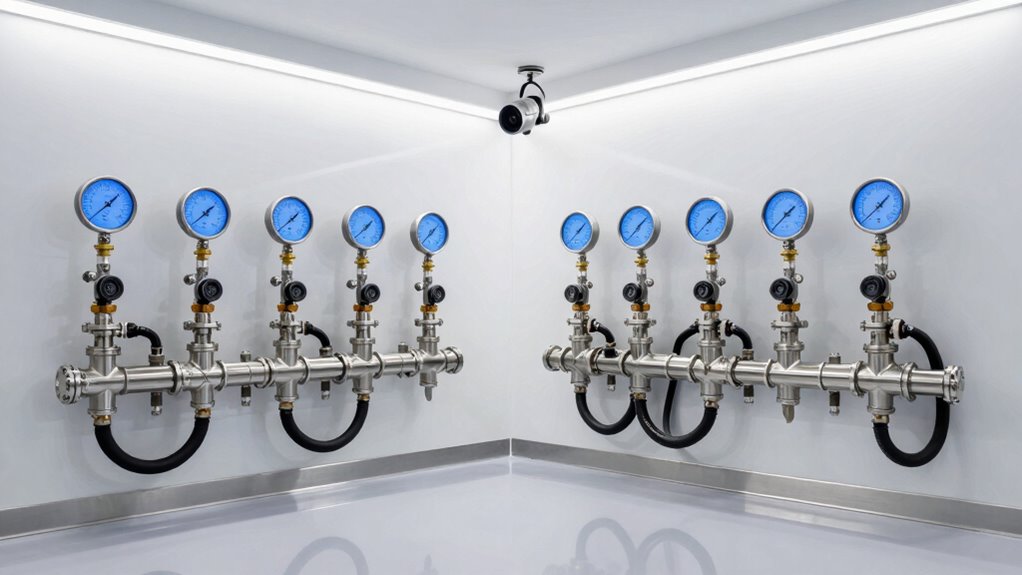

Upgrading your mechanical room with advanced safety protocols and regular maintenance can ensure water damage risks are greatly minimized. Focus on proper equipment inspection, leak detection technology, and strict shut-down procedures during upgrades. Using protective gear and following manufacturer guidelines also helps prevent leaks and component failures. These steps ensure your system remains efficient and safe, reducing costly repairs. To discover more ways to protect your building and improve system reliability, keep exploring the best practices.

Get home appliances delivered free — and shop member deals
- Fast, free delivery on millions of items
- Access to Prime Big Deal Days deals on October 6–7
- Prime Video, Amazon Music and more included
Key Takeaways
- Implement advanced leak detection systems for early warning of potential water issues.
- Conduct regular maintenance and inspections to identify and address vulnerabilities proactively.
- Enforce strict safety protocols during upgrades to prevent accidental damage and leaks.
- Safeguard sensitive components with proper handling and protective measures during system modifications.
- Upgrade to modern, efficient equipment to reduce failure risks and enhance water damage prevention.
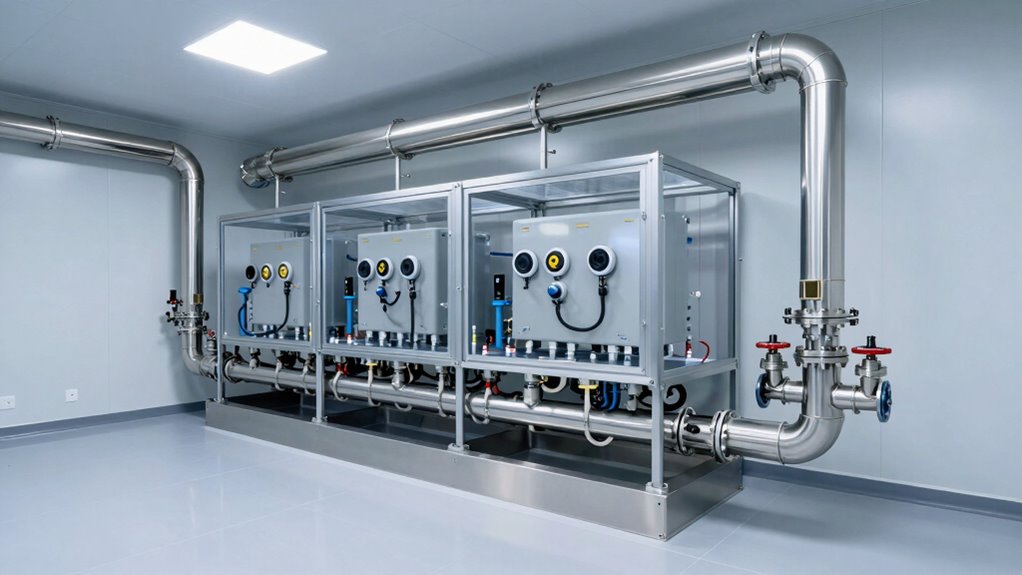
Are you ready to improve your building’s efficiency and safety? Upgrading your mechanical room is an essential step toward reducing water damage risks and guaranteeing smooth operations. One of the most critical aspects of this upgrade is prioritizing proper equipment maintenance. When your HVAC, pumps, valves, and pipes are well-maintained, you minimize the chances of leaks, corrosion, or failures that could lead to costly water damage. Regular inspections and timely repairs keep everything running efficiently and prevent small issues from escalating into significant problems. Incorporating a routine maintenance schedule not only extends equipment lifespan but also helps you identify potential vulnerabilities early, saving you money and headaches down the line.
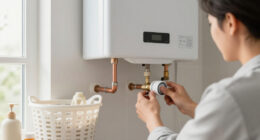
Alongside equipment maintenance, enforcing strict safety protocols during the upgrade process is vital. These protocols protect your team and prevent accidental damage that could result in leaks or water intrusion. Make sure everyone working in the mechanical room understands the importance of safety procedures, including shutdown procedures, lockout/tagout practices, and proper handling of equipment. Using proper protective gear and following manufacturer guidelines reduces the risk of mishaps that could compromise the integrity of your systems. Safety protocols also involve safeguarding sensitive components from accidental damage during installation or repair, which could otherwise lead to water leaks. Proper safety procedures are essential for maintaining the integrity of your mechanical system and preventing water-related issues. Additionally, understanding the importance of equipment maintenance can greatly reduce the likelihood of water damage caused by system failure. Regularly reviewing maintenance best practices and staying updated with manufacturer recommendations further enhances your system’s resilience against water damage. Being proactive with system monitoring can also help detect issues early before they develop into major problems. Incorporating advanced leak detection technologies can further provide early warnings and prevent costly repairs.
leak detection system for mechanical room
As an affiliate, we earn on qualifying purchases.
As an affiliate, we earn on qualifying purchases.
Frequently Asked Questions
How Long Does a Typical Mechanical-Room Upgrade Take?
A typical mechanical-room upgrade takes about one to three days, depending on the project’s scope. During this time, you’ll see improvements in system efficiency and safety. You’ll notice safer, more reliable operations once the upgrade is complete. While the process may seem quick, it’s carefully planned to minimize disruptions. This upgrade guarantees your system runs smoothly and reduces water damage risks, providing long-term peace of mind.
What Is the Cost Range for Such an Upgrade?
Think of a mechanical-room upgrade as renovating a ship’s engine room—costs can vary widely. Typically, you’re looking at a range of $10,000 to $50,000, depending on the scope. Your cost estimation should consider factors like system complexity and materials. Budgeting considerations include labor, permits, and unexpected delays. Planning carefully will help you avoid surprises and make sure your upgrade stays afloat financially.
Are There Any Temporary Disruptions During Installation?
During installation, you might experience temporary downtime, which means some water services could be interrupted briefly. Additionally, there could be noise disturbances from the construction activities, but these usually last only during specific phases of the upgrade. The team will work efficiently to minimize disruptions, and you’ll be kept informed about the schedule. Expect these inconveniences to be short-lived, with long-term benefits outweighing the temporary disturbances.
Can Upgrades Be Customized for Different Building Sizes?
Yes, upgrades can be tailored to your building’s needs through flexible customization options and scalable solutions. Whether your building is small, medium, or large, you can choose features that fit your specific requirements. These options guarantee the upgrade enhances your building’s performance, safety, and efficiency. By focusing on building scalability and customization options, you get a system that adapts perfectly to your building’s size and future growth, providing ideal protection and functionality.
What Maintenance Is Required After the Upgrade?
After the upgrade, you should follow a regular maintenance schedule and complete an inspection checklist monthly. Check for leaks, corrosion, and proper functioning of new components. Keep an eye on pressure gauges and verify drainage systems are clear. Schedule professional inspections annually to catch any issues early. Staying consistent with maintenance helps prevent water damage and prolongs the upgrade’s effectiveness, giving you peace of mind.
mechanical room water leak alarm
As an affiliate, we earn on qualifying purchases.
As an affiliate, we earn on qualifying purchases.
Conclusion
Now that you’ve upgraded your mechanical room, the risk of water damage drops considerably—but the real test is yet to come. Will your new system hold strong against unexpected leaks or power surges? Every day, unseen threats lurk, waiting for a moment to strike. Stay vigilant, maintain your upgrades, and keep watching. Because in this game of protection, the next surprise could be just around the corner—and only you can be ready for it.
As an affiliate, we earn on qualifying purchases.
water damage prevention equipment
As an affiliate, we earn on qualifying purchases.
As an affiliate, we earn on qualifying purchases.
NFL season / tailgating Picks
team gear
As an affiliate, we earn on qualifying purchases.