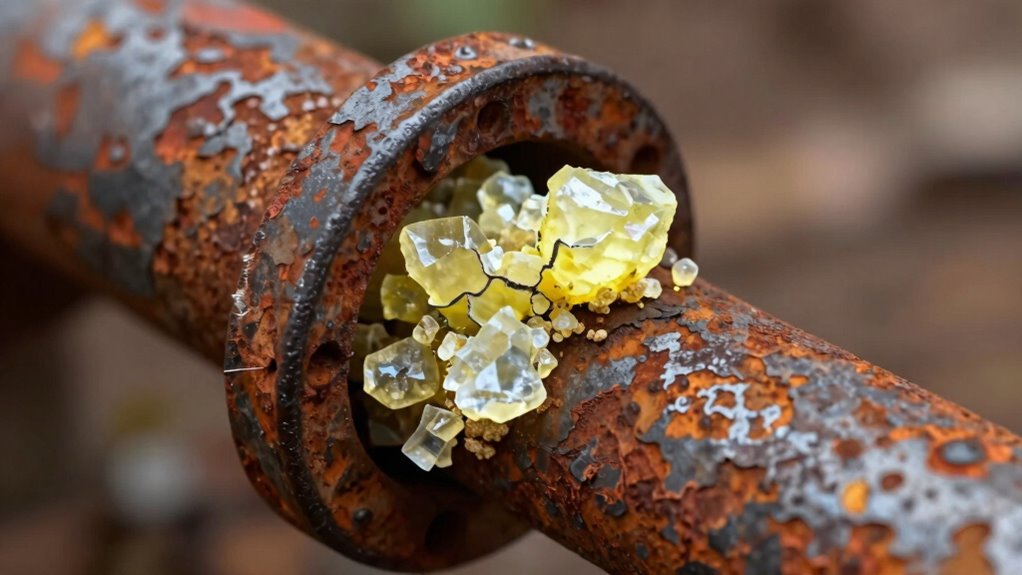

You often confuse iron and sulfur smells because their molecules are similar in scent and how your nose perceives them. Both produce volatile compounds that easily reach your olfactory receptors, activating overlapping neural pathways. This makes it hard to tell the difference, especially in faint or mixed odors. Chemical reactions in rust or sulfur-rich environments create complex scent profiles that contribute to this confusion. If you want to understand more, there’s plenty to uncover below.

Get home appliances delivered free — and shop member deals
- Fast, free delivery on millions of items
- Access to Prime Big Deal Days deals on October 6–7
- Prime Video, Amazon Music and more included
Key Takeaways
- Both odors involve volatile molecules that reach olfactory receptors easily, causing similar scent perceptions.
- Iron and sulfur compounds activate overlapping neural pathways, leading to confusion in odor identification.
- Chemical reactions produce complex, mixed molecules that blend metallic and sulfur smells.
- Faint or combined odors make it difficult for the brain to distinguish between the two scents.
- Similar chemical structures and volatility of iron and sulfur molecules contribute to their scent similarity.
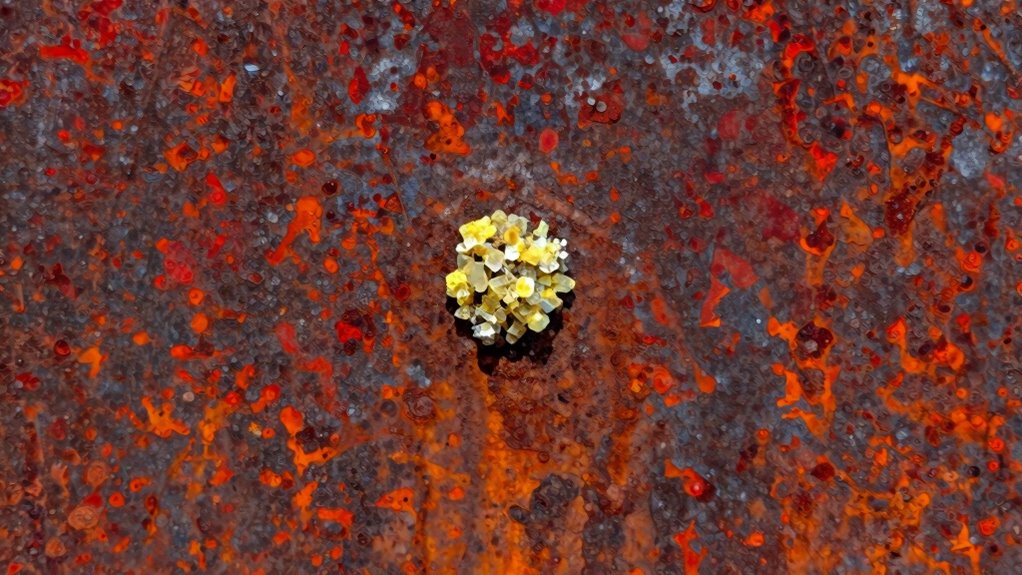
If you’ve ever noticed a metallic or sulfurous smell and wondered if they’re the same, you’re not alone. These odors often get confused because they can seem similar—both have a sharp, pungent quality that catches your attention. The reason for this confusion lies in how our noses perceive odors and the chemical reactions behind them. Odor perception isn’t always straightforward; it’s influenced by the specific molecules released during chemical reactions. When certain chemicals are involved, they produce smells that can seem alike, even though their sources are quite different.
Metallic and sulfur smells can seem similar due to how our noses perceive chemical reactions and volatile molecules.
The smell of iron, often described as metallic, is mainly caused by iron particles or ions coming into contact with moisture. This interaction creates tiny molecules that our olfactory receptors detect as a “metallic” scent. It’s a common experience when handling rusty tools or seeing blood—substances rich in iron. Meanwhile, sulfur smells originate from sulfur compounds, like hydrogen sulfide or sulfur dioxide. These molecules naturally have a distinct, rotten-egg odor, which is a warning sign of decay or contamination. Despite their different origins, both iron and sulfur compounds trigger odor perceptions that can seem similar because they are volatile molecules that easily reach your nose.
Your brain interprets odors based on the molecules it detects, but it doesn’t always distinguish subtle differences perfectly. When molecules from iron particles or sulfur compounds reach your olfactory receptors, they activate similar neural pathways, leading to confusion in identifying the smells. This is especially true if the odors are faint or mixed with other scents. The volatility of odor molecules influences how quickly and strongly we perceive different smells, further contributing to the confusion. Additionally, the chemical reactions that produce these odors also play a role—they can generate complex mixtures of molecules that blend or mimic one another, making it harder for your nose to tell them apart. For example, in environments where rust or sulfur compounds are present, your sensory system might interpret the smell as “metallic,” even if it’s primarily sulfur.
Ultimately, the confusion stems from how our sensory system perceives chemical reactions and translates them into recognizable odors. Both iron and sulfur odors involve volatile molecules that are easily detected by your nose, and their similarities in volatility and chemical structure can lead to mistaken identity. Knowing this can help you better understand why these smells often get mixed up, especially in environments where both elements are present or when odors are faint. So, next time you smell something metallic or sulfurous, remember that your nose is interpreting complex chemical reactions—sometimes, they just happen to produce similar scents.
As an affiliate, we earn on qualifying purchases.
Frequently Asked Questions
Can Iron and Sulfur Smell Be Detected by Animals Differently?
Yes, animals can detect iron and sulfur smells differently due to their olfactory differences and scent detection mechanisms. You might notice that some animals are more sensitive to sulfur’s pungent aroma, while others can distinguish iron’s metallic scent. Their noses have specialized receptors that help them identify specific chemical compounds. So, animals often perceive these smells uniquely, aiding them in navigation, foraging, or detecting danger.
Do Iron and Sulfur Smells Occur Simultaneously in Nature?
At times, iron and sulfur smells do occur simultaneously in nature, like a symphony of chemical reactions playing together. You’ll notice the metallic tang of iron and the rotten-egg odor of sulfur blending during volcanic eruptions or in certain mineral deposits. These odors result from specific chemical reactions involving sulfur compounds and metal interactions. Your odor perception helps distinguish these smells, but they can overlap, confusing even keen noses.
How Do Cleaning Products Influence Iron and Sulfur Smell Detection?
Cleaning products can influence how you detect iron and sulfur smells by causing chemical interactions that mask or alter these scents. Many cleaners contain fragrance compounds designed to hide unpleasant odors, which can make it harder to distinguish between iron’s metallic scent and sulfur’s rotten egg smell. These scent masking agents temporarily override your olfactory senses, leading to confusion or misinterpretation of the actual smells during or after cleaning.
Are Certain Medical Conditions Linked to Smelling Iron or Sulfur?
Certain medical conditions, like sinus infections, migraines, or neurological disorders, can cause olfactory confusion, making you perceive iron or sulfur smells that aren’t really there. These issues may lead to abnormal smells during a medical diagnosis, highlighting the significance of consulting a healthcare professional. If you notice persistent or unusual odors, it’s essential to get checked out, as these symptoms can signal underlying health problems.
Can Dietary Choices Affect the Perception of Iron or Sulfur Odors?
Your dietary choices can definitely influence how you perceive iron or sulfur odors. Dietary impact affects flavor perception, making certain foods or supplements intensify or dull these smells. For example, eating iron-rich foods might enhance the metallic taste, while sulfur-heavy foods like garlic or onions can amplify sulfur odors. Being mindful of your diet helps you better understand and manage how you perceive these specific odors.
As an affiliate, we earn on qualifying purchases.
Conclusion
Did you know that nearly 60% of people mistake the smell of iron for sulfur at some point? It’s easy to get confused because both odors share a similar metallic or rotten egg scent. Understanding the difference can help you identify potential health issues or environmental concerns more accurately. Next time you notice these smells, remember how closely they’re linked—and how a quick check can make all the difference in keeping you safe and informed.
As an affiliate, we earn on qualifying purchases.
As an affiliate, we earn on qualifying purchases.
NFL season / tailgating Picks
team gear
As an affiliate, we earn on qualifying purchases.