
As a well owner, you should consider fine-mesh resin filters when your water shows signs of tiny particles, sediment, or cloudiness that surface filters can’t remove. They’re ideal if tests reveal high levels of suspended solids or dissolved substances that affect water quality. Regular use can prevent clogs, improve clarity, and protect your fixtures. To guarantee your system stays efficient, understanding when and how to use these filters can make a big difference—more details will follow.
Key Takeaways
- When water tests reveal high levels of sediment, debris, or dissolved substances needing ultra-fine filtration.
- If well water appears cloudy or contains visible particulate matter.
- To prevent clogging fixtures and improve water flow in contaminated well systems.
- When high-quality water is essential for sensitive uses like drinking, cooking, or industrial processes.
- If regular maintenance and resin replacement are manageable to ensure ongoing filtration effectiveness.
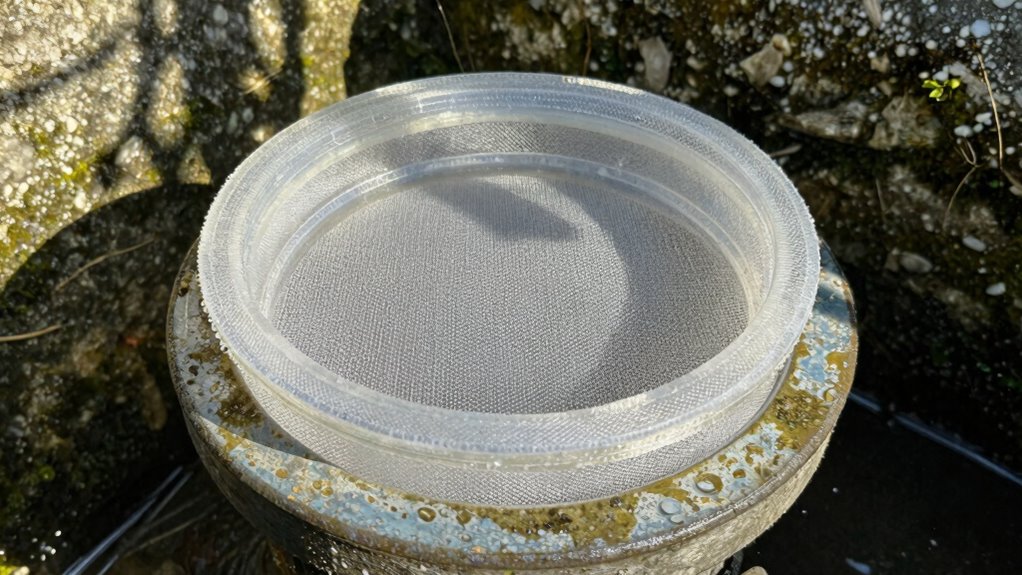
Are you wondering if a fine-mesh resin filter is the right choice for your well water? If you’ve been concerned about the quality of your water, especially regarding small particles or contaminants, a fine-mesh resin filter might be worth considering. These filters are designed for superior water filtration, capturing tiny debris, sediment, and certain dissolved substances that standard systems might miss. When you opt for such a setup, you’ll want to understand how resin maintenance plays an essential role in keeping your system running smoothly and your water clean. Regular upkeep ensures that the resin doesn’t become clogged or exhausted, which could compromise water quality or reduce flow rates.
Fine-mesh resin filters are especially beneficial if your well water contains a high level of suspended solids or if you’re aiming for ultra-pure water. They excel at removing particles that are often too small for conventional filters. This level of filtration is particularly important if you use your well water for sensitive applications, such as drinking, cooking, or even certain industrial processes. The trade-off, however, is that the resin may need more frequent maintenance, as fine particles can accumulate on the resin beads, diminishing its effectiveness over time. Regular resin maintenance involves backwashing or replacing the resin periodically, depending on the system’s design and water quality.
You should consider a fine-mesh resin filter if you notice sediment in your water or if your water tests show high levels of particulates. Also, if you’re experiencing issues like clogged fixtures or cloudy water, upgrading to a fine-mesh resin system could resolve these problems. Keep in mind that water filtration isn’t a set-it-and-forget-it solution. It requires ongoing attention to guarantee the resin stays effective, which means inspecting and maintaining your system regularly. Ignoring resin maintenance can lead to a decline in filtration performance, allowing contaminants to slip through and affecting the taste, clarity, and safety of your water. Additionally, understanding the water quality and filtration needs of your well system can help you choose the most suitable filter type and maintenance schedule. Proper understanding of your water’s contaminant profile can also influence the choice of filtration technology, ensuring you address specific issues effectively. Recognizing the importance of resin longevity can help you plan maintenance schedules more effectively to avoid system downtime. Staying informed about filtration technology advancements can also assist in selecting more efficient or longer-lasting systems, ultimately saving you time and money in the long run. Furthermore, being aware of common contaminants in well water can guide you in selecting the most appropriate filtration methods to target those specific issues.
In the end, choosing a fine-mesh resin filter makes sense if you prioritize high-quality water and are willing to commit to proper maintenance. It’s a reliable way to improve your well water’s purity, especially when small particles threaten to compromise your water’s quality. Just remember, the key to long-term success lies in consistent resin upkeep, ensuring your filtration system functions at its best and continues to deliver clean, safe water for your household.

Amanzi FINE MESH Water Softening Resin FINE MESH-75-BOX
1 cu. ft. bag of fine mesh carbochem resin
As an affiliate, we earn on qualifying purchases.
As an affiliate, we earn on qualifying purchases.
Frequently Asked Questions
How Long Does Fine-Mesh Resin Typically Last Before Replacement?
Fine-mesh resin usually lasts about 5 to 10 years before needing replacement, depending on water pH and usage. You should monitor resin performance regularly, as a drop in water quality indicates it may need regeneration or replacement. Proper resin regeneration can extend its lifespan, but if your water contains high levels of contaminants, the resin might wear out sooner. Keep an eye on system efficiency to determine the right time for replacement.
Is Fine-Mesh Resin Effective Against All Types of Contaminants?
Fine-mesh resin is effective against many contaminants, but its efficiency depends on contaminant specificity. It excels at removing particulate matter, sediments, and certain larger impurities, showcasing its filter versatility. However, for dissolved chemicals or bacteria, you’ll need additional or specialized filtration methods. So, while fine-mesh resin offers broad benefits, always assess your water quality to guarantee it targets your specific contamination concerns effectively.
What Are the Maintenance Requirements for Fine-Mesh Resin Filters?
You’ll love how low-maintenance fine-mesh resin filters are—just a simple periodic cleaning or replacement keeps them running smoothly. Ironically, neglecting maintenance can lead to chemical incompatibility issues or increased environmental impact due to resin waste. Regularly check for clogging, verify the filter’s chemical compatibility with your water, and dispose of used resin responsibly. This keeps your system efficient and eco-friendly, saving you headaches and harm to the environment.
Can Fine-Mesh Resin Be Used in Municipal Water Systems?
Yes, fine-mesh resin can be used in municipal water systems, but it depends on municipal infrastructure and water treatment standards. You should guarantee the resin meets local regulations and is compatible with existing filtration systems. Fine-mesh resin effectively removes small particles and contaminants, improving water quality. However, it’s essential to consult with water treatment professionals to determine if it aligns with the specific requirements of your municipal water treatment process.
How Does Fine-Mesh Resin Compare Cost-Wise to Other Filtration Options?
Fine-mesh resin can be more cost-effective than other filtration options when you consider the cost analysis and material durability. While the initial investment might be higher, its longevity and ability to efficiently remove fine particles reduce maintenance costs over time. Compared to standard media filters, fine-mesh resin often offers better durability, making it a smart choice if you’re seeking a balance of upfront expense and long-term savings.

Waterdrop Spin Down Sediment Filter, Backwash Whole House Water Filter System for Well Water, 40-50 Micron, 1" MNPT + 3/4" FNPT + 3/4" MNPT, Traps Sand, BPA Free, WD-RPFK
【Your first line of defense】Reduce the workload of your existing water filters with our sediment filter. It is…
As an affiliate, we earn on qualifying purchases.
As an affiliate, we earn on qualifying purchases.
Conclusion
Choosing a fine-mesh resin filter is like finding the perfect puzzle piece—it fits just right and keeps your well water crystal clear. If you notice sediment or impurities, it’s a smart upgrade to guarantee your water stays safe and clean. Don’t wait until problems happen; think of this filter as your well’s best friend, catching what’s unwanted before it causes trouble. Keep your water pure and your worries at bay, just like a calm lake on a peaceful morning.

Purolite An Ecolab Company C100E Water Softener Resin 1 CF
Water Softener Resin
As an affiliate, we earn on qualifying purchases.
As an affiliate, we earn on qualifying purchases.
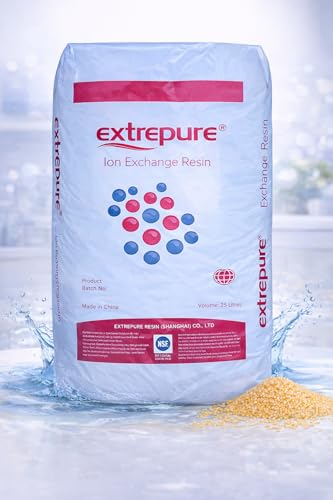
SUPERIOR FILTERS Premium Water Softener Resin 1 Cu Ft Replacement Media – 25L – 32,000 Grain Ion Exchange High-Capacity Cation Resin Beads – 7% Cross-Link Structure NSF Certified for Home Use
High-Performance 7percent Cross-Link Water Softener Resin: This premium-grade polystyrene sulphonate cation exchange resin delivers rapid ion exchange, strong…
As an affiliate, we earn on qualifying purchases.
As an affiliate, we earn on qualifying purchases.